Is Holmenkollen Free To Visit?
Holmenkollen's hillside and forest are free public land, but the Ski Jump Tower and Ski Museum share one paid combined ticket. Here is exactly what costs money and what does not.
Is Holmenkollen Free To Visit?
Visiting Holmenkollen is partly free. The hillside, the surrounding forest, and the wider Frognerseteren trail network are all free public land, open to anyone at any time. However, the Ski Jump Tower observation deck and the Ski Museum share one combined paid ticket at 200 NOK, and whether the immediate base of the jump hill itself can be viewed without a ticket is not clearly stated by the operator.
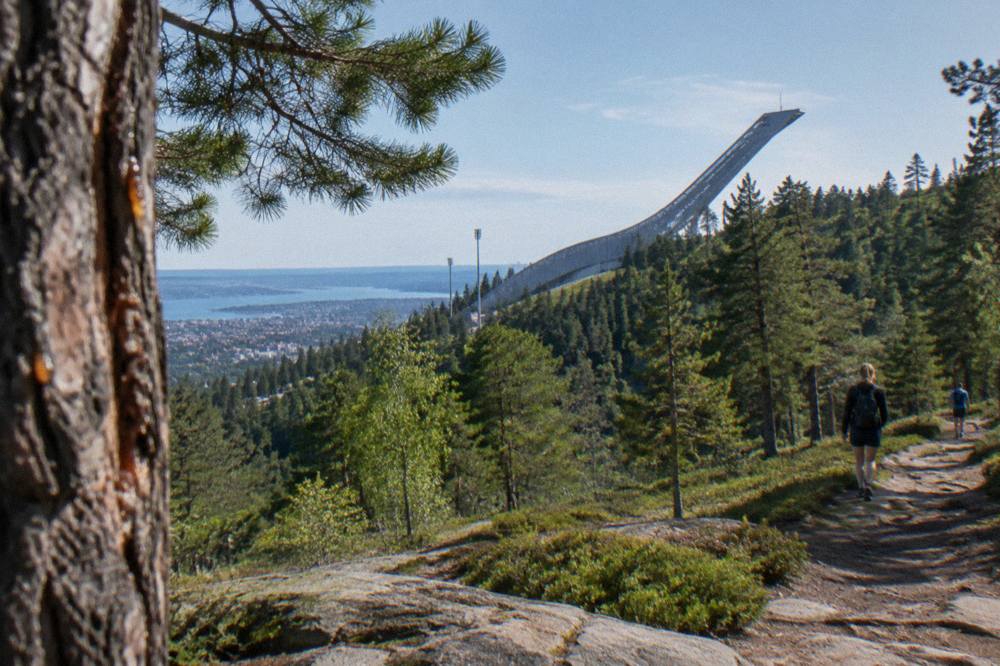
Holmenkollen is the name people give to a whole area in the hills northwest of central Oslo, not a single ticketed site. That is the root of the confusion. The ski jump tower is the famous landmark, the one on the postcards, and it sits inside a paid attraction run by Skiforeningen, the Norwegian Ski Association. But the jump is surrounded by hundreds of hectares of public forest and hillside that belong to everyone, with marked trails, viewpoints and, on clear days, one of the best panoramas of Oslo and the fjord you can get without spending a krone.
So the honest answer to the question is a split one. If your goal is to stand on the hill, walk the trails and look at the tower from outside, Holmenkollen costs you nothing beyond the transit fare to get there, which is a standard Ruter ticket, never a free ride. If your goal is to ride to the top of the tower observation deck or go through the Ski Museum, you are buying the combined 200 NOK ticket that covers both. There is no free version of the tower experience, and the museum is not included in any free scheme beyond the conditions Skiforeningen itself publishes.
The operator's own site, holmenkollen.com, is the place to confirm current opening hours before you travel, because the tower and museum keep seasonal schedules that change through the year. The official tourism authority, VisitOSLO, also lists Holmenkollen among the city's major sights and notes the distinction between the free outdoor area and the paid attractions.
If you are building a full free-or-cheap itinerary around the city rather than just the hill, the featured free walking tours below cover the flat, central half of Oslo that Holmenkollen looks down on, and they pair well with a hill trip on the same or a following day.
How Much Do The Ski Jump Tower And Ski Museum Cost?
The Ski Jump Tower observation deck and the Ski Museum are sold together as one combined ticket at 200 NOK, run by Skiforeningen. There is no separate tower-only or museum-only pricing published that splits the two. The forest, the trails and the hillside outside the attraction remain free public land regardless of whether you buy the ticket, and the transit ride up is a standard paid Ruter fare.
The combined ticket is the single paid item in the whole Holmenkollen picture, and it is worth being clear about what it buys. The tower deck sits at the top of the jump structure and looks out over Oslo, the fjord and the forested hills to the north. The Ski Museum, at the base, traces Norwegian ski history through several thousand years of equipment, expedition material and jumping lore. Both are genuinely popular, and both are entirely optional.
Here is the full cost picture in one table, so nothing surprises you at the gate.
| Part of Holmenkollen | Cost | Notes |
|---|---|---|
| Hillside and forest trails | Free | Public land, open access, no ticket or booking |
| Frognerseteren trail network | Free | Marked trails, part of the wider Nordmarka forest |
| Viewpoints over Oslo and the fjord | Free | Reached on foot from the hillside paths |
| Ski Jump Tower observation deck | 200 NOK combined ticket | Sold together with the Ski Museum by Skiforeningen |
| Ski Museum | 200 NOK combined ticket | Same ticket as the tower, not sold separately |
| Metro ride to Holmenkollen | Standard Ruter fare | Paid transit, never described as free transport |
One point of honesty: whether you can walk right up to the base of the jump hill itself without a ticket is genuinely unclear from the operator's published material, so this guide makes no claim either way. The clearly free zone is the wider hillside and forest around the attraction, and the clearly paid zone is inside it. If you arrive intending only free sightseeing, budget your time for the trails and the exterior views, and decide about the ticket once you are standing there.
What Can You See At Holmenkollen Without A Ticket?
A great deal, honestly more than most visitors expect. The hillside paths are free public land, the surrounding forest is criss-crossed with marked trails, and several viewpoints look straight down over Oslo, the city islands and the fjord. The tower itself can be seen and photographed from outside the paid attraction. What you cannot do free is ride up to the observation deck or enter the Ski Museum.
The free experience at Holmenkollen is not a consolation prize. The hill itself is one of the city's favourite outdoor areas, used year-round by Oslo residents for walking, running and, in winter, cross-country skiing on groomed trails that start practically at the metro station. In summer the same network turns into hiking routes through pine forest, with the Frognerseteren area to the north acting as a trailhead for the wider Nordmarka woods. None of it has an admission mechanism. There is no gate, no ticket office for the forest, no season pass.
Photographically, the ski jump tower is the subject, and you do not need to pay to photograph it. The structure rises out of the trees and is visible from many angles along the surrounding paths, including from below, where its full height reads most dramatically. Arrive from the metro station side and you get the tower, the museum building and the hillside amphitheatre of the jump arena in one sweep.
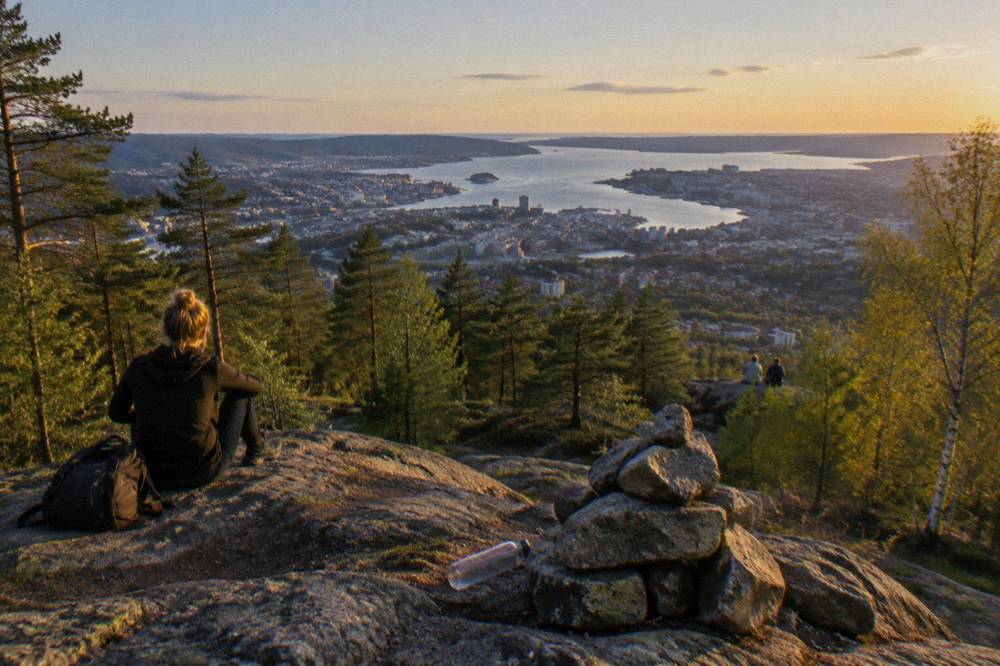
The view from the hillside is the other free payoff. On a clear day the panorama takes in central Oslo, the Opera House roof down at the waterline, the Akershus Fortress promontory and the green islands scattered across the fjord. That same view from the paid tower deck is higher, but the free hillside version is genuinely good, and it costs nothing but the climb.
For readers planning the rest of a free itinerary, the fjord islands visible from the hillside are themselves free public land to explore, though the Ruter ferry out to them is a paid standard fare, a distinction covered in full in the guide to Oslo's free fjord islands and the ferry question.
How Do You Get To Holmenkollen?
Holmenkollen sits in the hills northwest of the city centre, and the standard way up is the Ruter metro network, which is paid transit at the ordinary fare, not a free scenic ride. The hillside and trails at the top cost nothing once you are there. Allow roughly half a day if you want to walk the free paths properly rather than just step off the train, look at the tower and leave.
The ride up is part of the appeal. The metro line climbs steadily out of the city, past wooden houses and into forest, and the journey is one of the reasons the area feels like a proper escape rather than a suburb. Ruter runs the whole Oslo transit system, ferries included, on the same fare structure, so the ticket you use on a tram in the centre is the ticket you use up the hill. There is no free transport option to Holmenkollen and this guide will not pretend otherwise.
Once you step off, the free zone begins immediately. Paths lead from the station area toward the jump arena and onward into the trail network, and you can structure a visit several ways depending on energy and weather. A short visit sees the tower from outside, walks part of the hillside and heads back down. A longer one follows the trails toward Frognerseteren, which sits deeper in the forest and acts as a gateway to Nordmarka, the vast recreational forest that Oslo residents treat as their backyard.
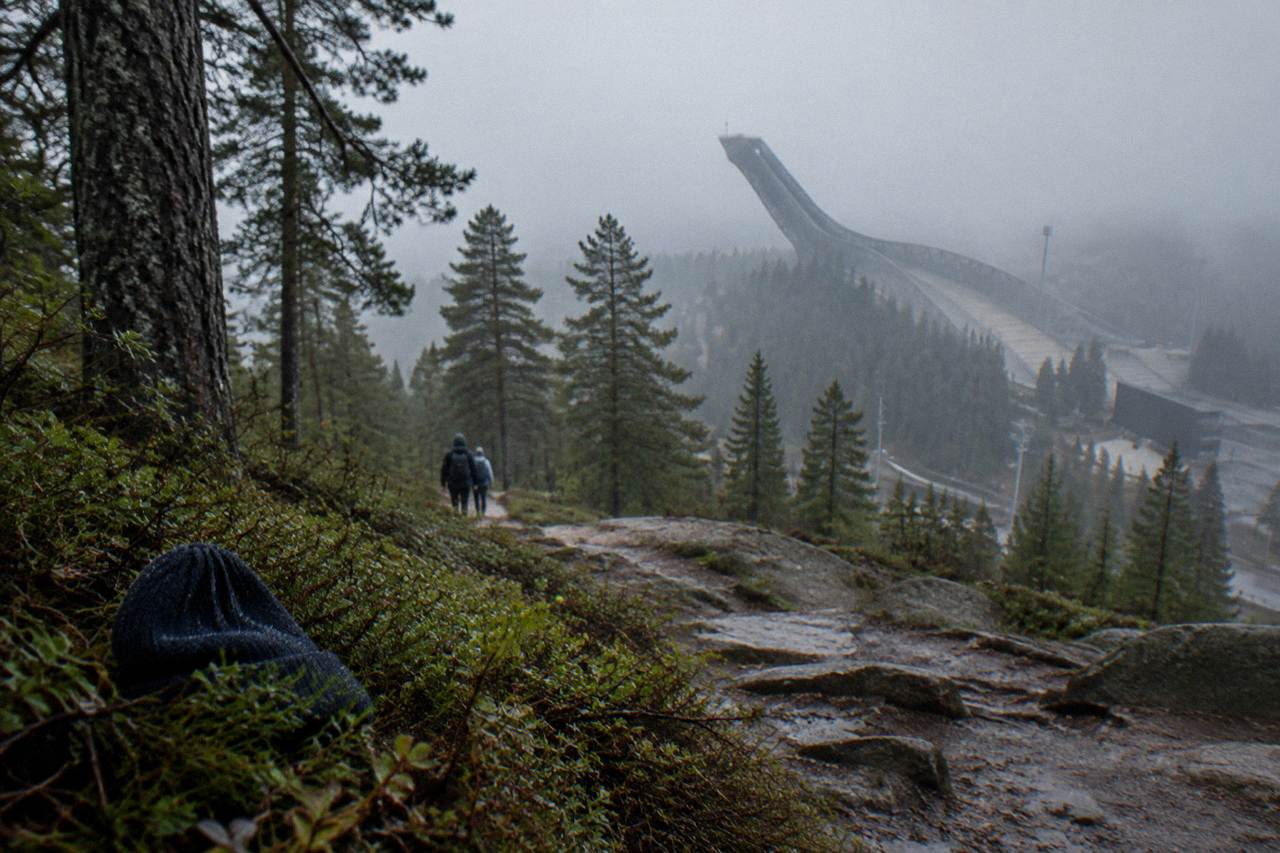
Weather changes the experience more than at any flat city sight. The hillside is exposed, the forest paths can be muddy or snowy depending on season, and the famous view is entirely weather-dependent. On a grey day the panorama disappears and the paid tower deck loses much of its point, which is a fair argument for treating the ticket as a fine-weather purchase and the free hillside as the all-weather core of the visit.
Can You Combine Holmenkollen With A Free Walking Tour?
Yes, and the pairing works well because the two experiences cover completely different ground. The free walking tours of Oslo all operate in the flat city centre, around Sentrum, Karl Johan and the waterfront, while Holmenkollen is the hill-and-forest half of the city. Doing a free city walk one day and the hillside the next gives you both Oslos, and only the hill's combined tower and museum ticket is ever compulsory spending.
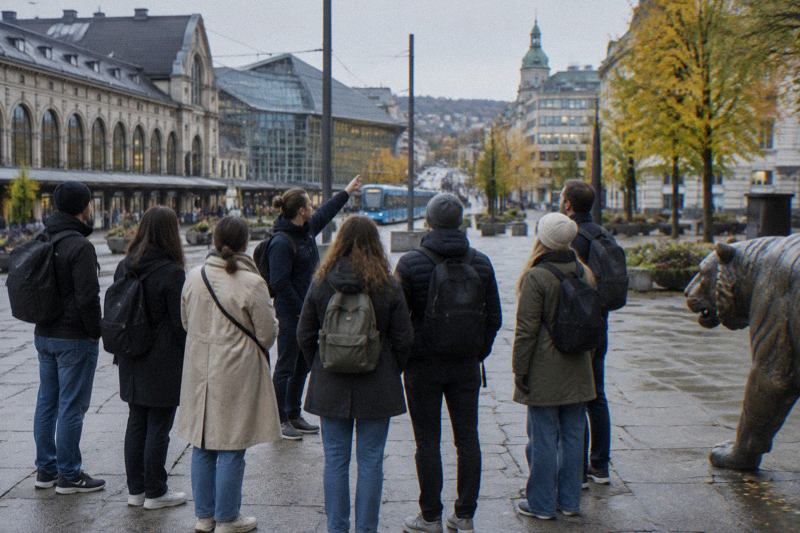
The strongest city option is the Nordic Freedom Tours 2-hour walk, rated 4.76 across 2,192 GuruWalk reviews, which meets outside Jernbanetorget metro station at the bronze Tiger sculpture and covers the central sights on a free, pay-what-you-want basis. It is a GuruWalk listing run by an independent local guide, and the meeting point is conveniently the same transport hub you would use to catch the metro up to Holmenkollen, so the two halves of the city connect naturally.
A shorter English-only alternative is the 1 hour 30 minute walk rated 9.7 out of 10 across 332 freetour.com reviews, which meets at the Tiger Statue in front of Oslo Central Station, and a longer option is the 2 hour 15 minute Perfect Introduction walk rated 9.1 out of 10 across 191 freetour.com reviews, meeting near the Royal Palace at the statue of the glove, where the guide holds a white umbrella. All three are free, pay what you want at the end, and none of them climbs the hill, which is exactly why they pair so cleanly with a Holmenkollen day.
If you want a walk with a more local angle, the Hola Oslo city walk, rated 4.69 across 42 GuruWalk reviews, meets at the main entrance of the National Theatre and includes a local secrets guide, also on GuruWalk. The review pool is small at 42, so treat that rating as a modest sample rather than a proven track record, but the secrets-guide inclusion gives it a different flavour from the big central tours.
Sequencing matters less than order of days. Some visitors do the hill in the morning, when the air is clearer and the trails are quieter, then come down for an afternoon walk in the centre. Others reverse it. Both work, because the two experiences do not compete: one is forest, elevation and panorama, the other is streets, statues and stories, and the only overlap is the metro fare.
Is Holmenkollen Worth It On A Strict Budget?
Yes, and arguably more than the paid attractions suggest. The free half of Holmenkollen, the hillside, the forest trails and the views, is the half most Oslo residents actually use and love, while the 200 NOK combined ticket serves the observation deck and the museum. A budget visitor who skips the ticket still gets the landmark, the panorama and a real forest hike for the price of a transit fare.
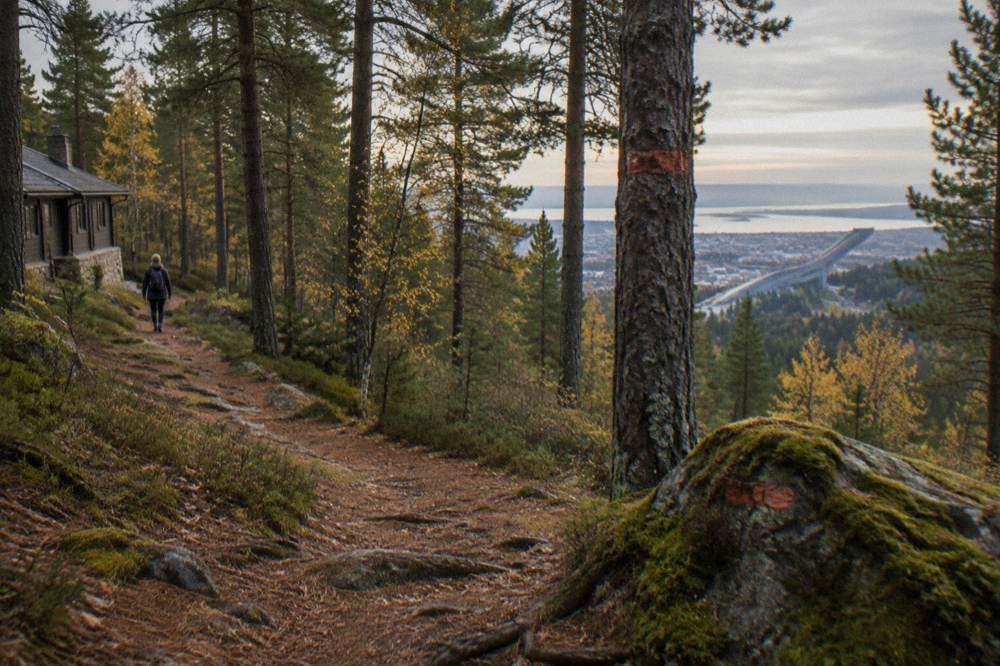
The budget case for Holmenkollen rests on what the hill gives away. Oslo is an expensive city by most measures, a comparison unpacked in the guide to whether Oslo is expensive and how to spend less, and genuinely free, high-quality experiences are worth identifying precisely. The Holmenkollen hillside is one of them. It is not a lesser version of the paid attraction, it is a different one: a public forest with a world-famous landmark standing in it.
Deciding on the ticket comes down to interest, not budget logic. If ski history or the elevated observation deck matters to you, 200 NOK for both is a defensible spend, and this site, Free Things To Do In Oslo, will not talk you out of it. If you are here for the view and the walk, the free hillside delivers most of it, and the money saved covers a decent chunk of a day's food budget in a city where it disappears quickly.
Two practical notes finish the picture. Dress for a hill, not a city street: proper shoes and a windproof layer make the difference between a memorable walk and a cold one. And check the tower and museum's seasonal opening hours on the operator's own site before you commit to a day, because a ticket bought for a closed attraction is the one genuinely wasteful mistake available here.
Common Questions About Holmenkollen
Is Holmenkollen Free To Visit?
Partly. The hillside, forest and Frognerseteren trails are free public land, while the Ski Jump Tower and Ski Museum share one combined paid ticket at 200 NOK. The transit ride up is a standard paid Ruter fare.
Can You See The Holmenkollen Ski Jump Without Paying?
Yes, from outside. The tower is visible and photographable from the surrounding free hillside paths. Riding to the observation deck or entering the Ski Museum requires the combined paid ticket.
How Much Is The Holmenkollen Tower And Ski Museum Ticket?
The Ski Jump Tower and Ski Museum are sold as one combined ticket at 200 NOK, run by Skiforeningen. Check the operator's own site for current opening hours and any concession conditions before you go.
Are The Walking Trails Around Holmenkollen Free?
Yes. The hillside, the forest and the Frognerseteren trail network are public land with no admission mechanism, open year-round for walking, running and, in winter, skiing.
Is The Metro To Holmenkollen Free?
No. The metro ride up the hill is a standard paid Ruter fare, the same ticket used on trams and buses across the city. Only the land at the top is free.
Is Holmenkollen Worth Visiting On A Budget?
Yes. The free half, the hillside, the trails and the views over Oslo and the fjord, is the half most locals actually use, and skipping the paid ticket still leaves a landmark, a panorama and a real forest hike.