Is Oslo Expensive? A Realistic Cost Breakdown For Visitors
Oslo has a reputation as one of Europe's priciest capitals, and in parts it earns it. But the city gives away an unusual amount for free, from sculpture parks to a public library with a rooftop view, and knowing which half is which decides what your trip costs.
Short answer
Yes, Oslo is expensive for accommodation, food and transport, with paid attractions such as the Holmenkollen tower at 200 NOK and the Akershus Castle interior at around 160 NOK. But the outdoor highlights, including Vigeland Park, the Opera House roof and the fortress grounds, cost nothing, and every walking tour in the city runs on pay what you want.
Oslo sits near the top of most cost-of-living indexes, and that reputation follows travellers onto the plane. The honest answer is more useful than the reputation: yes, a hotel, a restaurant dinner and a museum ticket in Oslo cost more than in almost any other European capital, but the city also hands out more of its best material for free than almost any other capital. The Opera House, the most photographed building in the country, costs nothing to climb. The sculpture park people fly in to see costs nothing to enter. The fortress that guards the harbour costs nothing to walk through.
The gap between those two halves of the city is what this guide maps. Every price below comes from the site's verified research into Oslo's institutions, and every free claim traces to an attraction record, so nothing here is a guess or a rounded-up average.
Is Oslo Expensive Compared To Other Nordic Cities?
Yes, Oslo is expensive, and it sits in the same band as Copenhagen and Stockholm rather than below them. The gap between Nordic capitals is smaller than the gap between any of them and cities further south. What separates Oslo is not the price of a hotel night, it is how much of the city itself is genuinely free: the parks, the fortress grounds, the opera roof and the walking tours all cost nothing.
The comparison question is really a planning question. If the budget is already set for one Nordic capital, it will broadly work for another, give or take a coffee. The difference shows up in what the budget buys at street level, and Oslo's answer is unusually generous on the free side of the ledger. The sister article on Nordic city cost comparisons works through that question in detail.
The practical takeaway for a visitor watching costs is that Oslo punishes passive spending and rewards planning. Walk in off the street and buy tickets, meals and transport one at a time and the bill mounts quickly. Decide in advance which of the paid interiors actually matter, and build the days around the free outdoor core, and the city becomes dramatically cheaper than its reputation suggests.
What Does A Typical Day In Oslo Actually Cost?
There is no single honest average, because the spread between a paid-heavy day and a free-heavy day is enormous. A day built around paid interiors, the ski jump tower, the castle and a big museum, stacks up ticket after ticket. A day built around the free core, the parks, the fortress grounds, the Opera House roof and a pay what you want walking tour, can cost almost nothing beyond food and a transit ticket.
The verified attraction prices that exist in Oslo cluster in a fairly narrow band, which helps. The paid halves of the city's famous split sites cost roughly 120 to 230 NOK each, and the combined Holmenkollen ticket is 200 NOK. The free halves cost zero, with no booking and no seasonal catch.
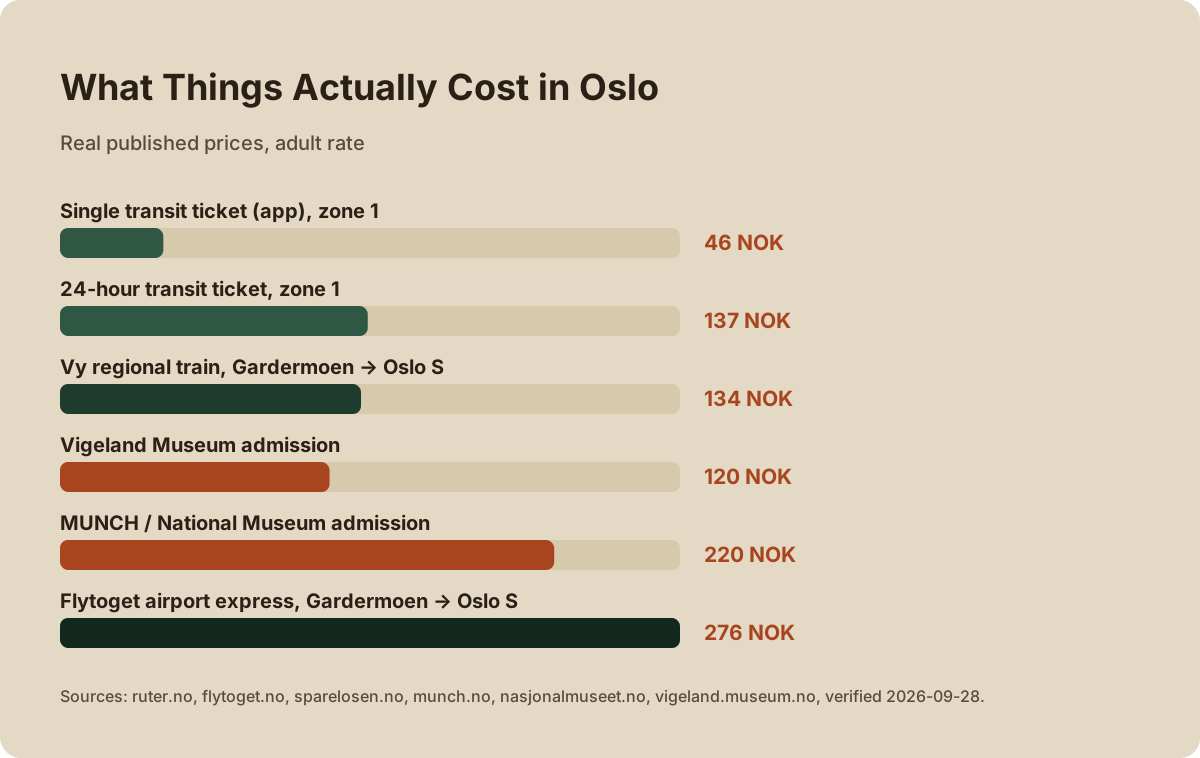
The table below sets out the verified figures the site's research pinned down, with the free halves of each split site shown beside the paid halves so the pattern is visible in one place. Note what is not in the table: no invented averages for meals, beds or transit passes, because those figures were not verified and this site does not publish guesses.
| Attraction | Free part | Paid part | Verified price |
|---|---|---|---|
| Akershus Fortress | Grounds, ramparts, harbour views | Castle interior, Resistance Museum | around 160 NOK each |
| Vigeland Park | Entire outdoor sculpture park, always open | Vigeland Museum indoors | around 120 NOK |
| Holmenkollen | Hillside and forest trails | Ski Jump Tower plus Ski Museum, one combined ticket | 200 NOK |
| Royal Palace | Palace park and grounds, year-round | Indoor guided tour, summer only, booking required | roughly 175 to 230 NOK |
| Opera House | Roof and public foyer, no ticket needed | Performance seats | roughly 150 to 990 NOK |
| Botanical Garden, Tøyen | Garden, free for all visitors | Natural History Museum exhibitions | price not published here, not re-verified |
The deeper answer to the cost question is covered from the other direction in what a typical day in Oslo costs, which walks through a full day of spending decisions. The short version: the free column in the table above is not a consolation prize. The grounds, the park and the opera roof are the attractions most visitors remember, and the paid interiors are the optional extras rather than the reverse.
Which Big Oslo Sights Cost Nothing?
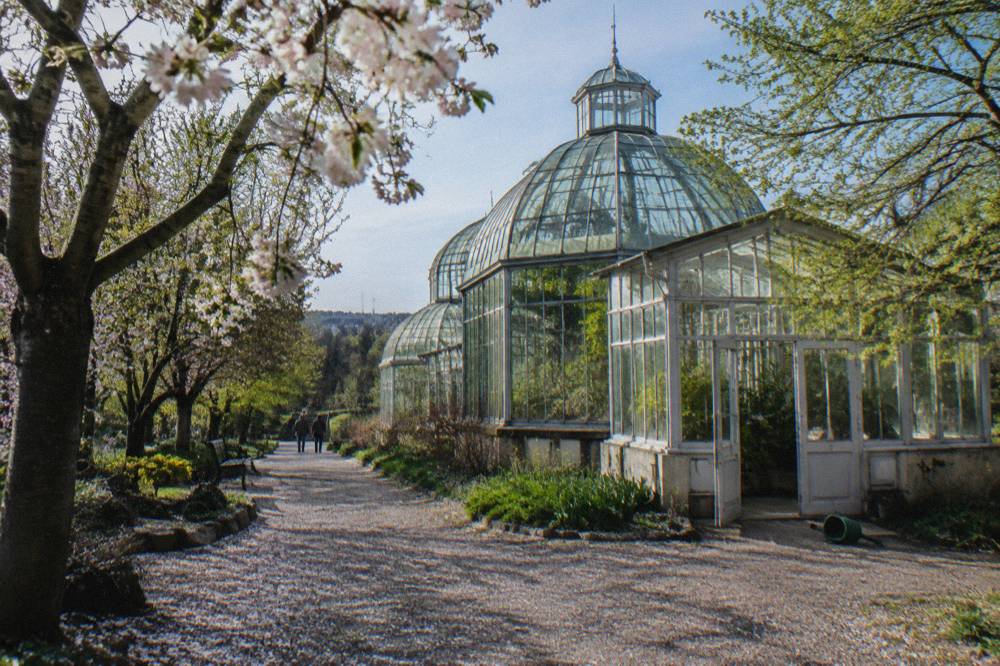
The headline sights that cost nothing are Vigeland Park and the wider Frogner Park around it, the Akershus Fortress grounds, the Opera House roof and foyer, the Royal Palace park, the Botanical Garden at Tøyen, the City Hall interior, the Deichman Bjørvika library with its rooftop views, and the harbour islands as public land. Add every walking tour in the city, which runs on pay what you want, and the free list is longer than the paid one.
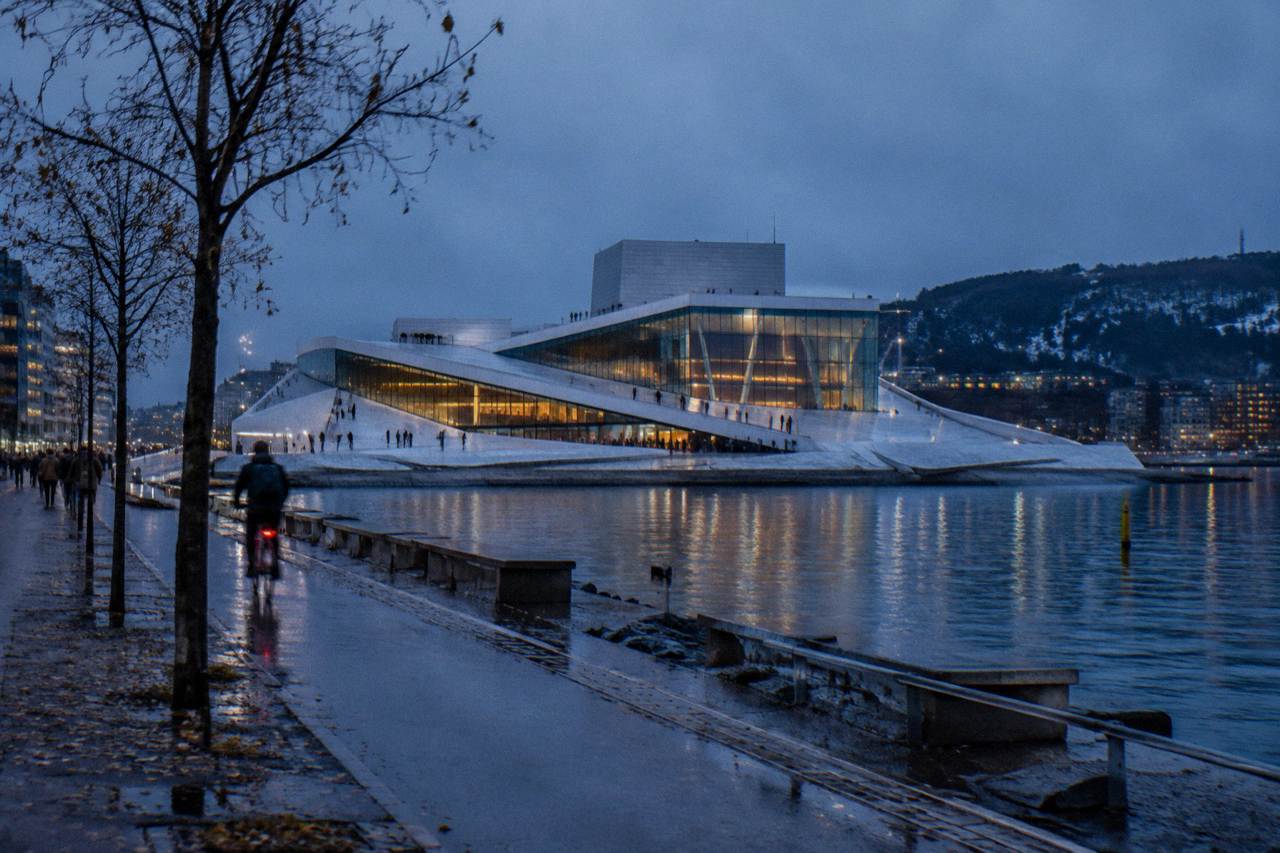
This is the part of Oslo that surprises people who arrive braced for the prices. The Free Things To Do In Oslo approach to the city is not scraping the barrel: it is the main event. The Opera House is the clearest example. Its sloping marble roof is the building's signature feature, and it is a public space, open to anyone, with no ticket, no queue and no opening time beyond the building's own hours, as the opera's own site at operaen.no describes.
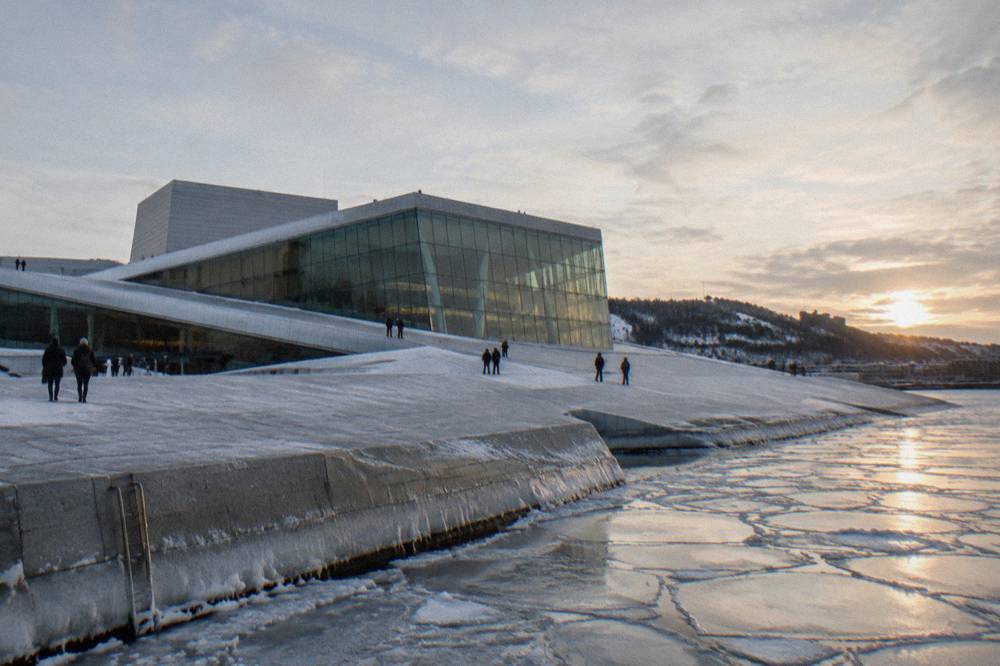
The free walking tours belong on this list too, and they are covered in full in the free walking tour guide. There are five featured walks across the city, three on GuruWalk and two on freetour.com, every one of them free to book and paid by tip at the end. Between them they cover the Sentrum and Karl Johan core, the Opera district, and the streets between the National Theatre and the palace.
For a fuller rundown of the free sights, the free places to visit in Oslo guide lists them by neighbourhood, and the winter guide shows how many of them survive the cold months intact, which is nearly all of them.
Where Oslo Catches Visitors Out: Free Grounds, Paid Interiors
The single most expensive trap in Oslo is assuming that because a site's grounds are free, the building inside them is too. The city has at least five famous examples of this split: the fortress, the sculpture park, the palace, the opera and the ski jump. Each one has a genuinely free outdoor half and a paid indoor or elevated half, and visitors who assume the free status travels inward routinely buy tickets they did not budget for.
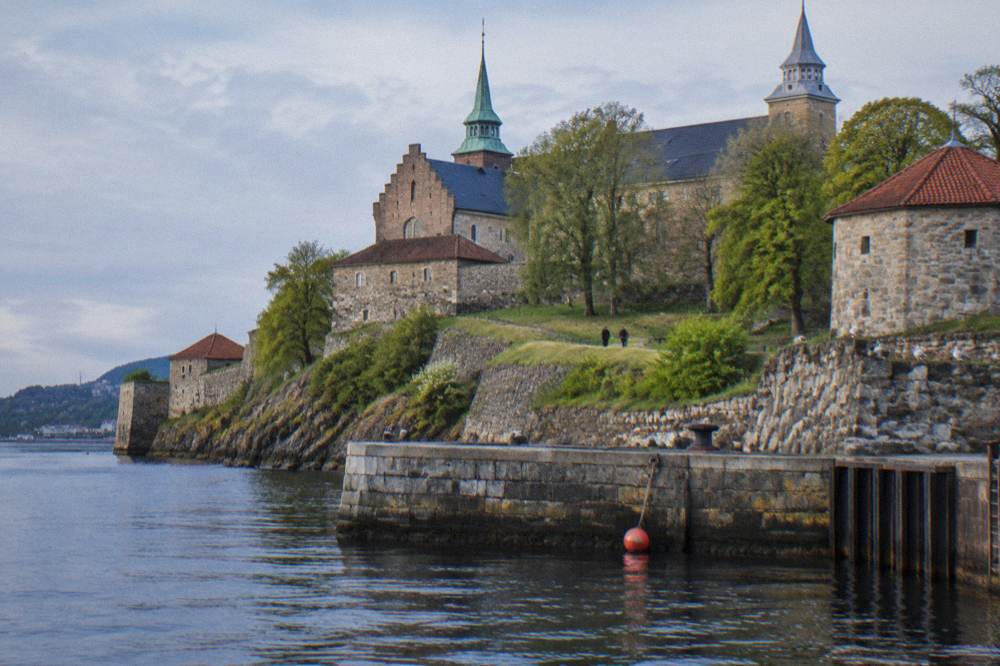
The fortress is the classic case. The Akershus Fortress grounds are free to enter and among the best free views in the city, but the castle interior and the Resistance Museum inside the same walls each charge around 160 NOK. The site's Akershus Fortress guide works through exactly what is free and what is not, and the same split-site logic runs through the whole city.
Holmenkollen works the same way from the other direction. The hillside and forest around the ski jump are free public land with some of the best views over the city and the fjord, while the Ski Jump Tower and the Ski Museum sell one combined 200 NOK ticket, per the official Skiforeningen site. Whether the base of the jump itself can be viewed without a ticket is not something this site states either way, because the research could not pin it down.
The rule of thumb that falls out of all five traps: in Oslo, the outdoors is free and the indoors usually is not, and any sentence that says a famous site "is free" without naming which half is doing the work deserves a second read.
Do Museums In Oslo Ever Have Free Entry?
Yes, but almost never for the general adult visitor walking in off the street. The one confirmed recurring free window in the city is the Munch Museum's first-Wednesday-evening opening, free from 18:00 to 21:00 and excluding July, August and September. Otherwise, free museum entry in Oslo attaches to conditions: under-18s at the state museums, under-20s at Astrup Fearnley, Oslo Pass holders at several institutions, and no confirmed recurring adult free day anywhere.
That last point matters because it is the opposite of what many visitors expect. A lot of European capitals run a first-Sunday or similar free museum scheme, and the site's research specifically looked for one in Oslo and did not find it. The National Museum, for example, is free for under-18s and has no recurring adult free day that could be verified, per nasjonalmuseet.no.
The condition table is the honest way to read Oslo's museum pricing, because the conditions are the whole story:
| Institution | Standard adult entry | Confirmed free conditions |
|---|---|---|
| Munch Museum | Paid | Under-18, plus first-Wednesday evenings 18:00-21:00 except July to September |
| National Museum | Paid | Under-18 only, no recurring adult free day found |
| Nobel Peace Center | Paid | Under-18, Oslo Pass |
| Astrup Fearnley Museum | Paid | Under-20, Oslo Pass |
| Vigeland Museum | Around 120 NOK | Ages 0-17, Oslo Pass |
| Ibsen Museum | Paid | Under-18, Oslo Pass |
| Natural History Museum | Not published here | School classes, University of Oslo students and staff, Oslo Pass, some social groups |
The full museum-by-museum picture, including which paid institutions are worth their ticket, is in the free museums in Oslo guide. For pure cost avoidance, the Deichman Bjørvika library is the city's free indoor gem: a striking public building with rooftop views, open to anyone, no card and no ticket.
How To Eat In Oslo Without Paying City-Centre Prices
Food is where most Oslo budgets break, and the fix is structural rather than a list of cheap dishes. The reliable strategies are the Mathallen food hall in Grünerløkka for browsing rather than restaurant seating, the supermarket picnic culture that Norwegians themselves practice in the parks, and coffee and baked goods standing rather than table service. The site publishes no average meal prices because none were verified.
What can be said honestly is the shape of the problem. Restaurant table service in Oslo carries Nordic capital pricing, and a sit-down dinner is typically the single largest line in a visitor's day. The counterweight is that Oslo is unusually well set up for eating outdoors: the parks are picnic-perfect, the harbour has benches with fjord views, and grocery stores are everywhere and good.
The food hall at Mathallen in Grünerløkka splits the difference. Browsing the stalls costs nothing, and the surrounding neighbourhood, covered in the unusual free things to do in oslo guide, is one of the city's best free walks. The same logic applies to drink: the tap water in Oslo is excellent, and asking for it is normal rather than cheapskate.
Are Free Walking Tours A Real Way To See Oslo?
Yes, free walking tours are a genuinely free, tip-only way to see Oslo, and they are the single best cost decision available in the city. Every tour runs on pay what you want: free to reserve, free to join, and paid by tip at the end only if the walk earned it, with local guides covering the Sentrum and Karl Johan core, the Opera district, and the streets around the National Theatre.
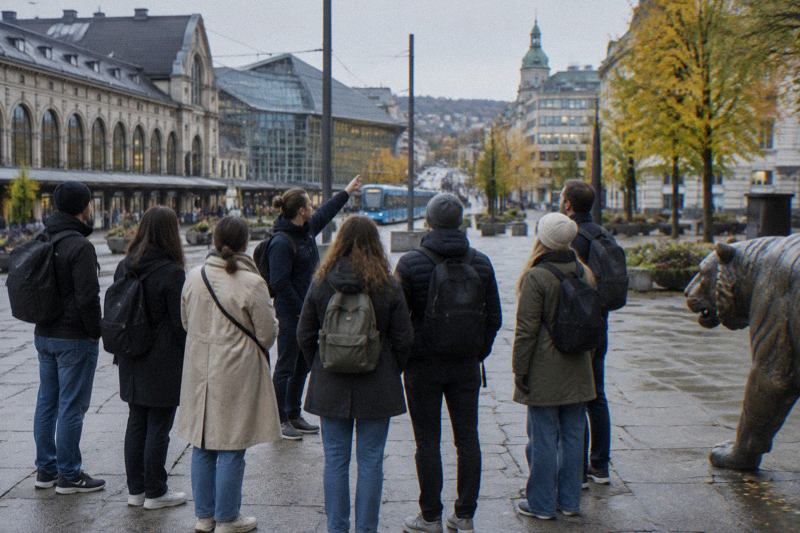
The flagship is the Nordic Freedom Tours two-hour walk, rated 4.76 out of 5 across 2,192 GuruWalk reviews, meeting outside Jernbanetorget metro station at the bronze Tiger sculpture. It covers the Sentrum and Karl Johan spine of the city, the Parliament, the main street and the cathedral quarter, and it is the walk most first-time visitors should start with.
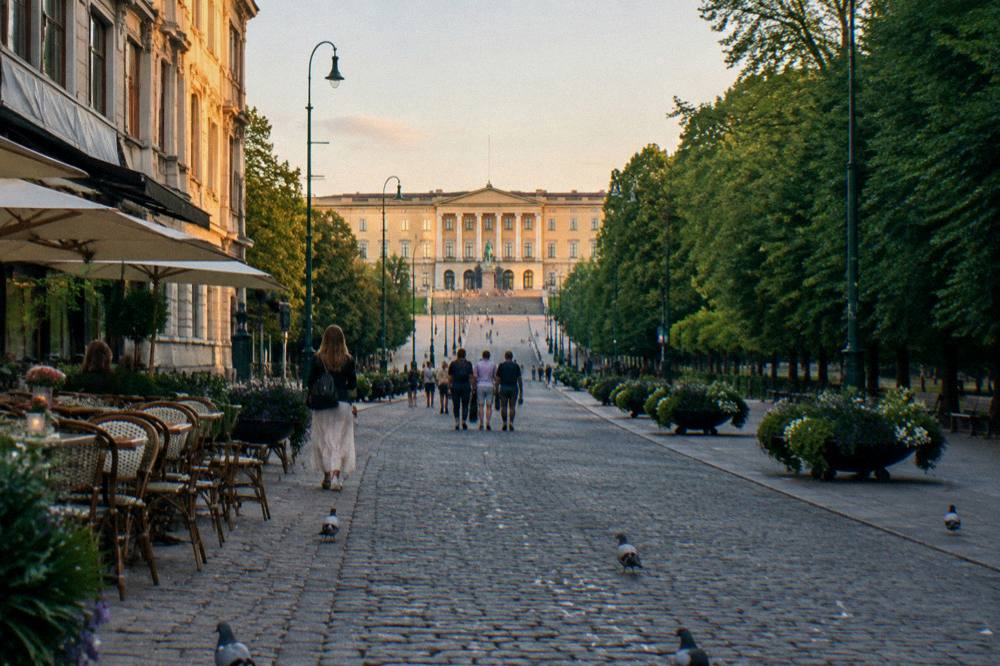
For a different angle on the same core, the City Walk with the Secrets Guide, rated 4.69 across 42 GuruWalk reviews, meets at the main entrance of the National Theatre and adds a local secrets guide to the walk, English and Spanish, two hours. It is a smaller-group feel with the same pay what you want pricing.
The full featured roster, with every rating on its own scale, looks like this:
| Walk | Platform | Rating | Duration | Meets at |
|---|---|---|---|---|
| Nordic Freedom Tours, 2-Hour Walk | GuruWalk | 4.76 out of 5, 2,192 reviews | 2 hours | Outside Jernbanetorget station, at the bronze Tiger sculpture |
| Short Walk, English Only | freetour.com | 9.7 out of 10, 332 reviews | 1 hour 30 minutes | Tiger Statue in front of Oslo Central Station |
| Perfect Introduction, Longest Walk | freetour.com | 9.1 out of 10, 191 reviews | 2 hours 15 minutes | Near Oslo Royal Palace, statue of the glove with white umbrella |
| City Walk, Secrets Guide Included | GuruWalk | 4.69 out of 5, 42 reviews | 2 hours | Main entrance of the National Theatre |
| Contrasts Walk, Opera District | GuruWalk | 4.67 out of 5, 311 reviews | 2 hours | Main facade of the Opera House |
Whether the tip model adds hidden pressure is a fair question, and it is one the site answers honestly in are free walking tours worth it and in the tipping guide, which covers what people actually give at the end of an Oslo walk. The short answer is that the model is genuinely free at the point of booking, and the guide's income depends entirely on the walk being good.
Is The Oslo Pass Worth It On A Budget?
For a budget traveller, usually not, because the Oslo Pass is priced against a paid-museum-heavy itinerary and this guide's whole strategy is a free-heavy one. The pass covers many paid museums and some transport, and it pays off for someone touring three or four paid interiors a day. A visitor following the free core spends little on tickets, so there is almost nothing for the pass to discount.
The honest framing is that the pass and the free-first approach are two different holidays. The pass suits a museum-intensive trip in bad weather, when the outdoors is off the table and the paid interiors are the day. The free-first approach suits almost every other kind of trip, and it costs nothing to try.
There is one edge worth flagging: the pass appears repeatedly in the free-conditions table above, because several museums grant free entry to pass holders. That means the pass is not just a museum ticket bundle, it is also a way to convert several conditionally-free rows into unconditional ones. The site works through that arithmetic, and the cases for and against, in do you need the Oslo Pass on a budget, and the current pricing and coverage are best checked against the official VisitOSLO site before deciding.
What Would A Free-Heavy Day In Oslo Look Like?
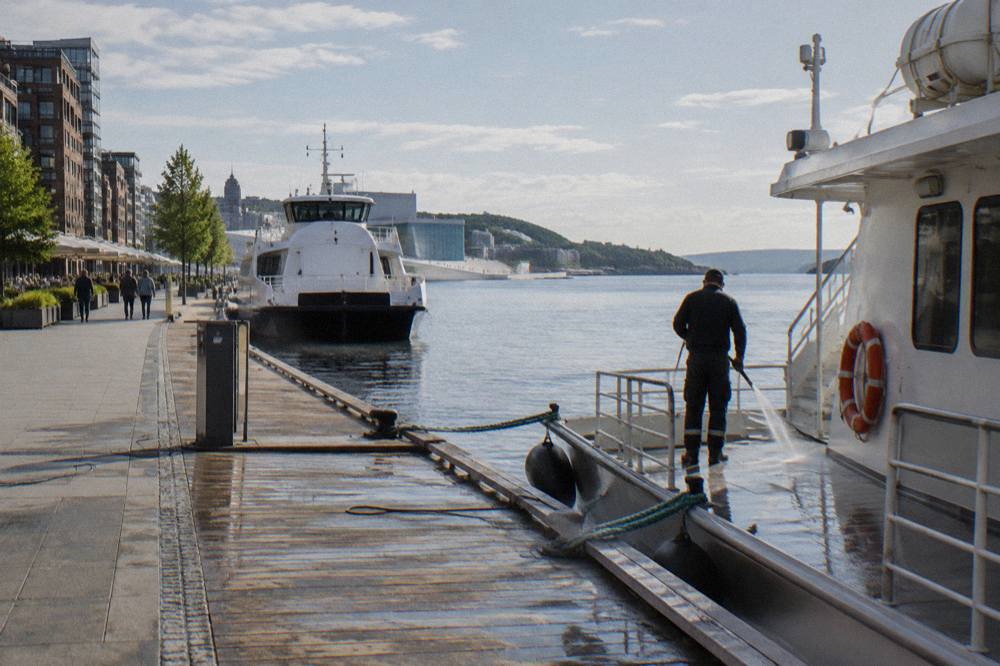
A realistic free-heavy day in Oslo starts with a pay what you want walking tour from Jernbanetorget, moves through the free outdoor core of the fortress grounds, the Opera House roof, and the harbour promenade, and ends in a park or on a library rooftop, costing nothing beyond food and a transit ticket. If you add the fjord islands, the ferry runs at standard Ruter transit pricing, the only unavoidable expense, since the islands themselves are free public land.
Morning: the two-hour Nordic Freedom Tours walk from the bronze Tiger sculpture, tipping what the walk was worth. Midday: the Akershus Fortress grounds for the harbour views, remembering the castle interior is paid, then the Opera House roof, which needs no ticket at all. Afternoon: the Botanical Garden at Tøyen, free for everyone, or the Deichman library for an indoor hour with a view.
For a longer version, the one day in Oslo guide sequences the free core hour by hour, and the fjord islands guide covers the Hovedøya trip, including the honest point that the Ruter ferry is a paid transit fare even though the island is free.
Common Questions About Oslo Costs
Is Oslo really the most expensive city in Europe?
Oslo sits in the top band of European cost indexes alongside the other Nordic capitals, but "most expensive" depends on the index and the year. For a visitor, the practical fact is that accommodation, restaurant meals and alcohol are priced like a top-tier capital, while the sightseeing core is unusually free.
How much money do I need per day in Oslo?
There is no verified average this site can publish, because meal and accommodation prices were not independently verified. What can be said is the structural split: a paid-heavy day of museum interiors and the ski jump tower stacks up ticket after ticket, while a free-heavy day built on the parks, fortress grounds, opera roof and a pay what you want walking tour costs almost nothing beyond food and transit.
Are the free walking tours in Oslo actually free?
Yes. Every walking tour in the city runs on pay what you want: free to reserve and free to join, with the guide paid by tip at the end. The five featured walks run on GuruWalk and freetour.com with independent local guides, and none has an upfront price.
Is the Akershus Fortress free to visit?
The fortress grounds are free, including the ramparts and harbour views. The Akershus Castle interior and the Resistance Museum inside the same grounds each charge around 160 NOK, so the free status applies to the outdoor grounds only.
Do Oslo museums have a free day?
No recurring adult free museum day could be verified anywhere in Oslo. The one confirmed recurring free window is the Munch Museum's first-Wednesday-evening opening, 18:00 to 21:00, excluding July, August and September. Most other museums are free only for under-18s, under-20s at Astrup Fearnley, or Oslo Pass holders.
Is the Oslo Pass worth it for a budget trip?
Usually not for a free-heavy itinerary, because the pass discounts paid attractions and the free core costs nothing to begin with. It pays off for a museum-intensive trip, and it also converts several museums' Oslo Pass free conditions into plain free entry. Check the current pricing on the official VisitOSLO site before deciding.