Are Oslo's Fjord Islands Free To Visit?
The islands in Oslo's fjord are free public land, but the ferry that reaches them is a paid transit ride. Here is exactly what costs money and what does not.
Oslo is one of the few capitals where you can board a public ferry in the middle of the city and step off onto an island ten minutes later. The islands in the inner fjord are public land, free to walk, swim and picnic on, with no gate, ticket booth or season pass anywhere on the shore. The boat that takes you there is a different matter: it is an ordinary Ruter transit ferry, and it charges an ordinary transit fare, exactly like a bus or a metro ride.
That split, free land and paid crossing, is the whole answer to the question, and it is worth getting right before you plan the day. The rest of this article breaks down what the ferry costs in practice, what you can do on the islands without spending anything, and how to combine the crossing with the free walking tours and free sights that make Oslo unusually kind to a small budget.
Are Oslo's Fjord Islands Free To Visit?
Yes, the islands themselves are free to visit, and always have been: they are public land with no admission mechanism of any kind. The catch is the crossing. Ruter, the regional transit authority, runs the ferries to the islands as ordinary paid services, so the boat ride costs a standard transit fare while the island you step onto costs nothing at all.
The distinction matters because the two halves get conflated constantly. A search for free fjord islands will surface pages promising a free boat trip, and that promise is false: the ferry is never described as free transport, because it is not. What is free is everything that happens after you step off the boat. The paths, the shorelines, the swimming spots, the picnic areas, the views back toward the city skyline, all of it is open to everyone, funded as ordinary public space by the municipality, in the same way a city park is.
Hovedøya is the island most visitors mean when they talk about this trip, and it is the one this site's research record confirms in full: free public land, reached by a paid Ruter ferry from the piers on the western side of the harbour. You do not need to book anything, join anything, or carry anything beyond a valid transit ticket. There is no island entrance fee to budget for, because no such fee exists.
The smart pattern, used by a lot of visitors, is to spend the morning on dry land with one of the free pay-what-you-want walking tours and take the ferry out in the afternoon. The walks start in the very streets you walk through to reach the ferry piers, so the two halves of the day connect without any extra travel. The free city walking tour options covered elsewhere on this site all begin within a few minutes of the harbour.
What Does A Trip To Hovedøya Actually Cost?
The honest budget is one transit fare each way and nothing else. The island itself charges nothing, the paths and swimming spots are free, and there is no entry gate, so a round trip costs two standard Ruter fares per person. Anyone calling the whole outing free is describing the island and quietly ignoring the boat, which is the one part you cannot walk to.
Because Ruter treats the islands as ordinary stops on its network, the ferry fare is whatever a normal single journey on that network costs, and it is covered by the same tickets and passes you would use on a tram. The fare is a transit price, not a tourist price, which is the good news: it is the same whether you are a local commuter or a visitor with a backpack. What this site's research does not contain is a specific krone figure for the single fare, so none is printed here; check the Ruter ticketing pages or the official tourism site before you travel.
Here is the cost picture in one table, item by item:
| Item | Free or paid | What to know |
|---|---|---|
| The island land itself | Free | Public land, no admission mechanism, no gate |
| Ferry crossing to the islands | Paid | Standard Ruter transit fare, each way |
| Walking the island paths | Free | Open to everyone, no permit needed |
| Swimming from the island shores | Free | Public shoreline, bring your own towel |
| Picnicking on the islands | Free | No charge for using the open ground |
| A guided island tour, if offered | Paid | Not part of the free land access described here |
The pattern is the same one that runs through this whole site: Oslo's outdoor public space is generous, and the moment something involves a vehicle, a building interior or a guided service, money enters the picture. The islands are the cleanest example of that rule you will find anywhere in the city, because the free part and the paid part are separated by a ten-minute boat ride.
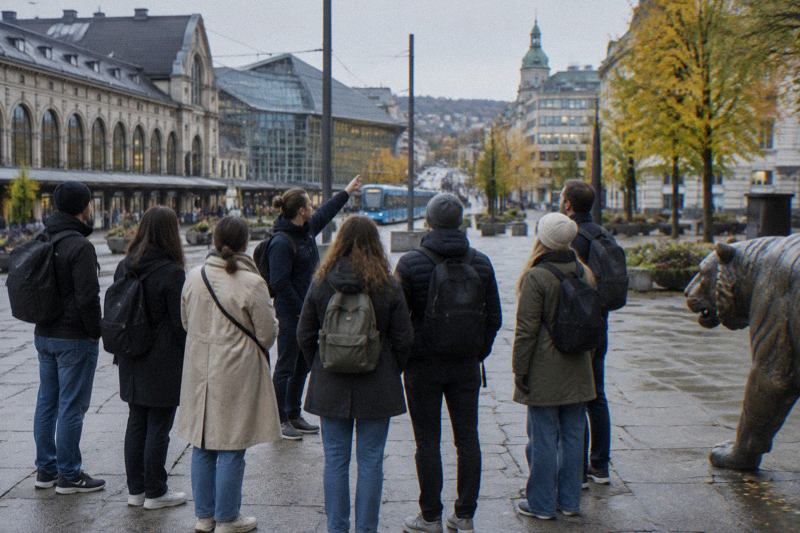
Before you head for the piers, it is worth spending the morning on the city side. The Nordic Freedom Tours 2-hour walk, rated 4.76 across 2,192 GuruWalk reviews, meets outside Jernbanetorget station at the bronze Tiger sculpture, which places you a short walk from the harbour ferries the moment the walk ends. It runs in English and Norwegian, it is free with a pay-what-you-want tip at the end, and it covers the Sentrum and Karl Johan ground you would otherwise rush through.
How Do You Get To The Islands From The City Centre?
You walk to the ferry piers on the harbour front and board a scheduled Ruter ferry, the same way you would board a bus. No booking is needed, no tour operator is involved, and the boats run on a published timetable. The ride is short, the fare is a standard transit ticket, and the islands are ordinary stops on the route.
The practical route from the centre is simple. From Sentrum, you head down toward the City Hall and the Aker Brygge promenade, which is itself one of the city's free public spaces: the waterfront walk is open to everyone and costs nothing to stroll. The ferry piers sit along this stretch, and the boats to the islands leave from here. That means the journey to the ferry is a free walk through some of Oslo's best free scenery, and only the water crossing costs money.
If you are starting farther up the main street, the National Theatre area is a common assembly point, and not only for theatregoers. The City Walk with the secrets guide, rated 4.69 across 42 GuruWalk reviews, meets at the main entrance of the National Theatre and spends two hours on the centre's side streets and viewpoints before releasing you a short stroll from the harbour. It runs in English and Spanish, and like every walk on this site it is free with a tip at the end.
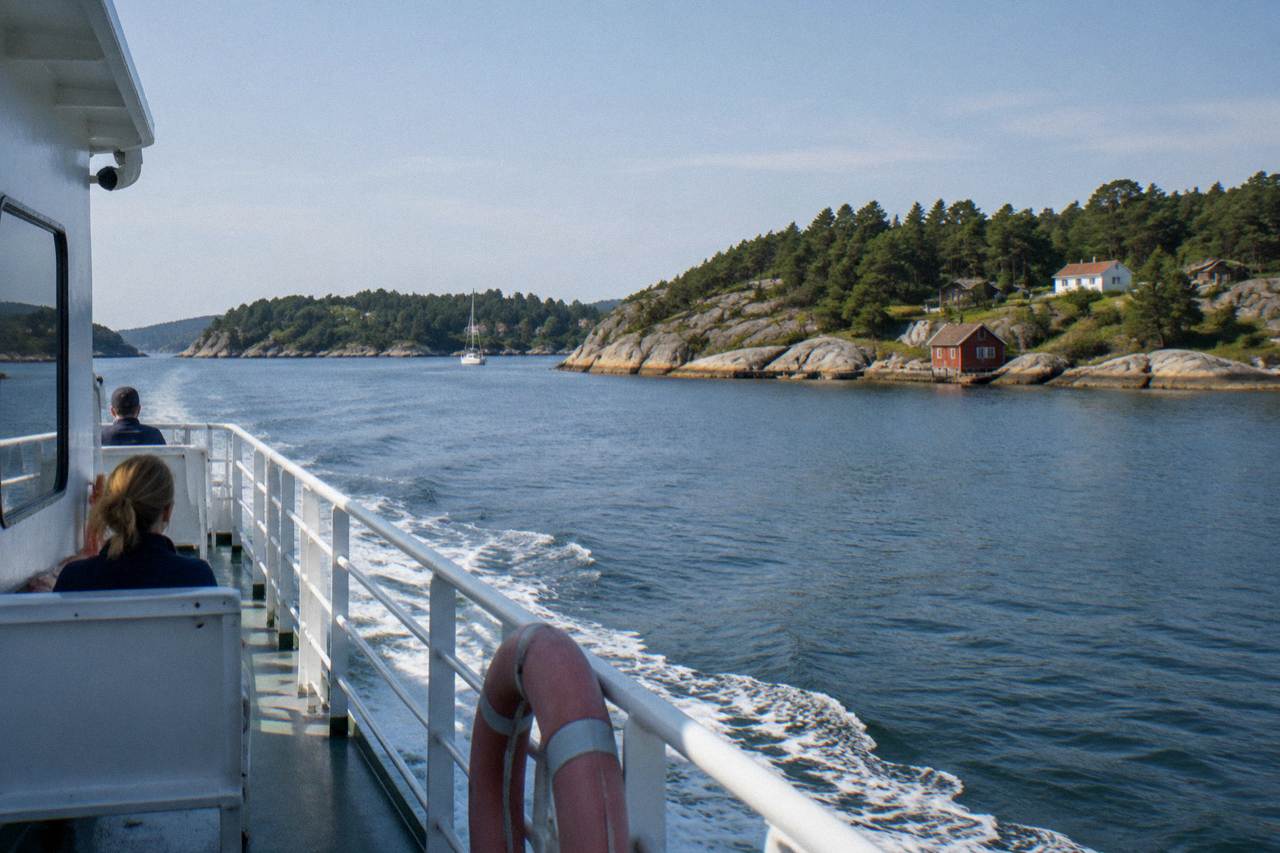
The ferry crossing itself is part of the pleasure of the day rather than a chore to be endured. The boats cut across the inner fjord with the city behind you, the Opera House roof and the Aker Brygge skyline sliding past, and the islands rising ahead as green lines on the water. It is the closest thing Oslo has to a sightseeing cruise that costs a bus ticket, and it is worth sitting on the open deck if the weather allows it. The official tourism authority's guide to the fjord and islands is the right place to confirm current routes and timetables before you set out.
One thing worth being strict about: the ferry is a paid service, and this site will not dress it up as anything else. The islands are free, the crossing is not, and any itinerary that claims otherwise is setting you up to arrive at the pier without a ticket. Treat the fare exactly as you would treat a tram fare, because that is precisely what it is.
What Can You Do On The Islands Without Spending Anything?
Everything that makes the islands worth the ferry fare is free once you are there. The land is public, the paths are open, the shorelines are swimmable, and the views back across the fjord to the city cost nothing. There is no attraction on the islands that requires a ticket, which is why the transit fare is the only line in the budget.
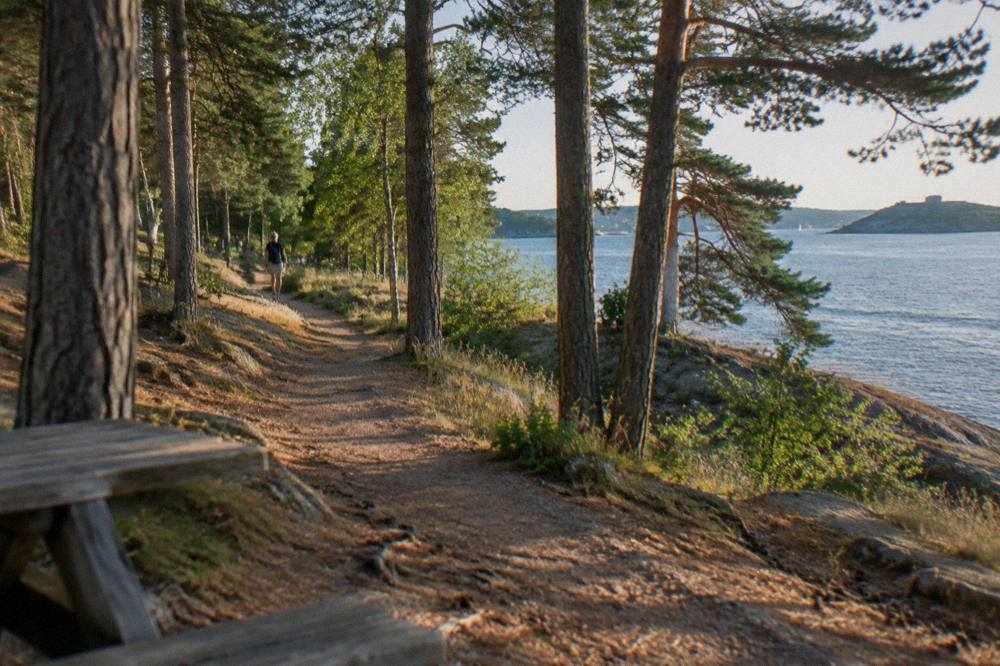
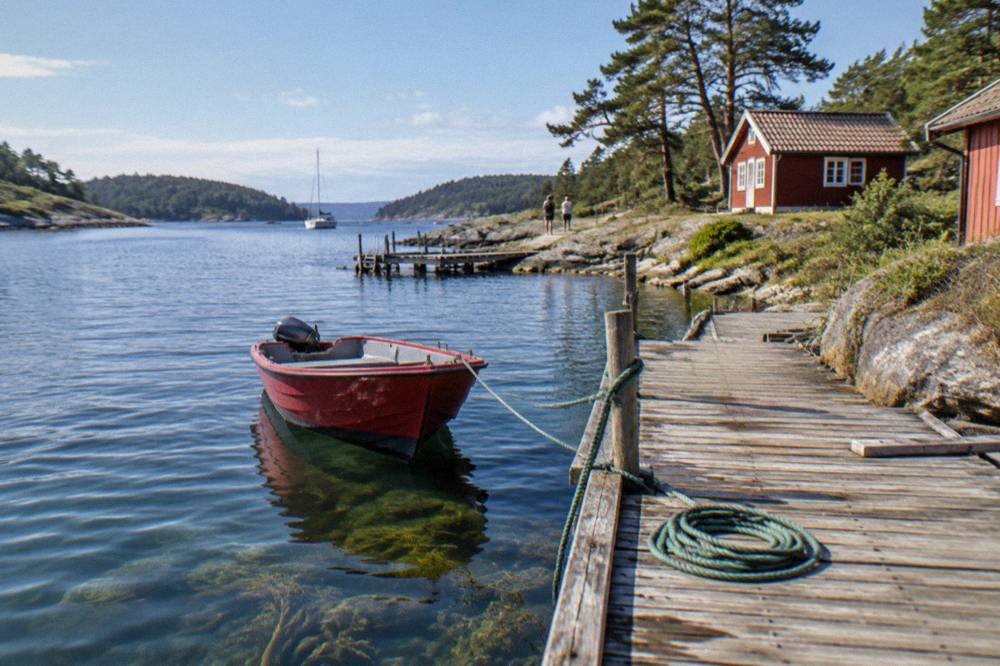
Hovedøya is the island to name when planning, because it is the one this site's verified research confirms as free public land with a scheduled Ruter ferry connection. A day there is built from the simplest ingredients: walking the paths, finding a spot on the shoreline, swimming if the season allows, and eating whatever you brought with you. The picnic strategy is the budget strategy, since a packed lunch on free island land beats a cafe lunch on the mainland both on price and on view. More of these guides are collected on Free Things To Do In Oslo.
Swimming is a real part of the island day in summer, and the mainland side of the harbour plays the same game. Sørenga, the seawater bathing area run by the municipality, is free, and the Aker Brygge promenade that leads you to the ferries is free to walk. In other words, the entire harbour ecosystem around the ferry route is built on free public space, with the boat as the single paid link in the chain.
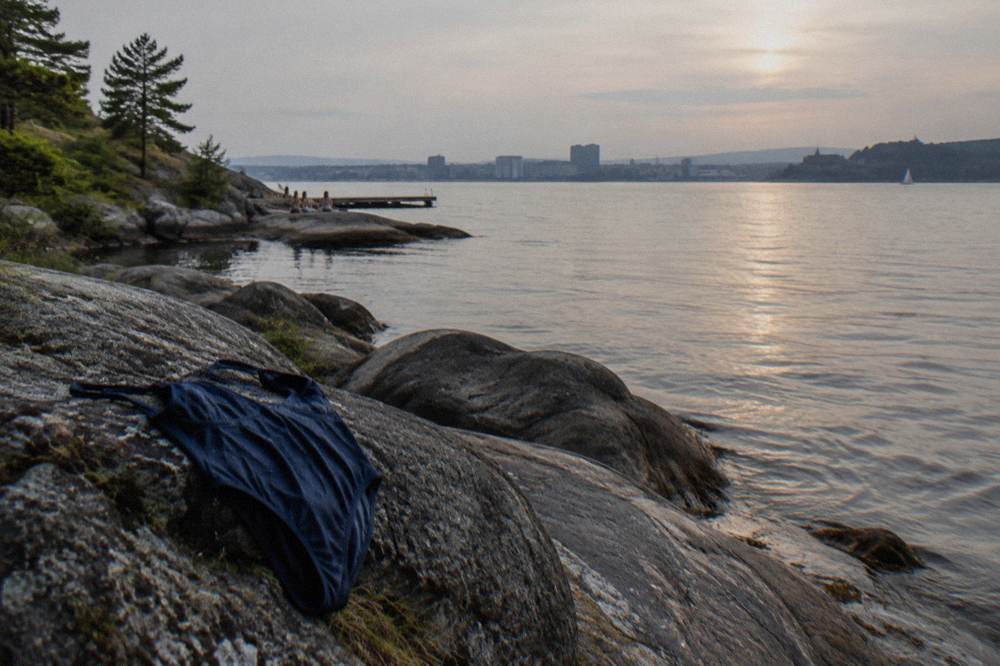
The islands also give you the best free view of Oslo that exists: looking back at it. From the island shore, the city stacks up in layers, the fortress, the City Hall towers, the Opera House wedge, and the whole sweep of the fjord frontage between them. Photographers spend serious money on fjord cruises for angles like these, and the island ferry delivers a working version of the same view for a transit fare.
Do You Need The Oslo Pass Or Any Extra Ticket?
No, the islands need no pass beyond a valid transit ticket for the ferry. The land is free, so there is nothing for a sightseeing pass to unlock once you step ashore. The only question is whether the Oslo Pass helps with the crossing itself, and that depends on how its transit coverage treats Ruter ferries, which is worth confirming before you buy.
The Oslo Pass is a paid product aimed mainly at the museum cluster, and this site's research record is careful about it: it is confirmed as covering several museum admissions, including the paid halves of conditionally free attractions like the Vigeland Museum, but its transit terms are a detail to verify rather than assume. The official tourism authority's Oslo Pass information is the primary source for what the pass currently includes, and it is the right page to check before deciding whether the pass fits your plans at all.
For the islands specifically, the pass question is almost beside the point. The free part of the trip is free for everyone, pass or no pass, and the paid part is a transit fare that most visitors will already be paying in some form anyway, since anyone riding trams or buses in Oslo is buying Ruter tickets regardless. If your itinerary is mostly outdoor and free, the pass is unlikely to earn its cost back; this site's guide to Oslo on a budget works through that trade-off in detail.
The honest framing is this: the islands are one of the few Oslo experiences where the paid component is small, unavoidable and identical for everyone. You cannot think your way around the ferry fare, but you also cannot be upsold on top of it. There is no island pass, no island tour requirement, no hidden second gate after the boat docks. Two transit fares, one there and one back, and the rest of the day is whatever you make of free public land.
How Do You Combine The Islands With A Free Walking Tour Day?
The cleanest plan is a free walking tour in the morning, lunch, then the ferry to the islands for the afternoon, because the walks all end within walking distance of the piers. The two halves of the day share the same starting geography, so no extra transport is needed between them, and the ferry becomes the day's single paid segment.
The morning options are the walks this site features, and they differ enough in shape to suit different travellers. The Nordic Freedom Tours 2-hour walk, rated 4.76 across 2,192 GuruWalk reviews, is the high-volume choice, meeting outside Jernbanetorget station at the bronze Tiger sculpture and covering the centre's core in English and Norwegian. The short English-only walk from freetour.com, rated 9.7 out of 10 across 332 freetour.com reviews, meets at the tiger statue in front of Oslo Central Station and runs an hour and a half, which leaves more of the day for the islands. The longest option, the Perfect Introduction walk, rated 9.1 out of 10 across 191 freetour.com reviews, starts near the Royal Palace at the statue of the glove, where the guide holds a white umbrella, and runs 2 hours 15 minutes in English.
All three are pay-what-you-want, all three start in the Sentrum and harbour-facing ground, and all three end close enough to the ferry piers that the transition from tour to island is a walk rather than a ride. For the etiquette of tipping on these walks, this site has a dedicated guide to free walking tour value that answers the question honestly. The short version: the walks are genuinely free to join, the tip is how the guide is paid, and the amounts are covered in the article.
The afternoon then belongs to the fjord. Walk down through the free Aker Brygge promenade, buy a transit ticket, board the ferry, and spend the rest of the daylight on island paths that cost nothing. Come back in time for the evening light across the harbour, and the whole day will have cost you a ferry fare, a tip, and whatever you ate. For a fuller picture of the islands and the ferry network, this site's guide to the fjord islands and Oslo ferries goes deeper on the practical details than this article can.
Common Questions About Oslo's Fjord Islands
Are Oslo's Fjord Islands Free To Visit?
Yes, the islands themselves are free public land with no admission charge, no gate and no ticket. The ferry crossing is a paid Ruter transit service, so the trip costs a standard transit fare each way while everything on the island is free.
Do You Have To Pay For The Ferry To The Islands?
Yes. The ferries to the islands are ordinary Ruter transit services and charge a standard fare, exactly like a bus or tram. They are never free transport, and you should arrive at the pier with a valid ticket.
Can You Swim On Oslo's Fjord Islands?
Yes, swimming from the island shores is free, since the land and shoreline are public. On the mainland side, the Sørenga seawater bathing area is also free, run by the municipality as public space.
Do You Need The Oslo Pass To Visit The Islands?
No. The islands are free to everyone, pass or no pass, so there is nothing for the Oslo Pass to unlock there. The only question is whether the pass's transit coverage helps with the ferry fare, which is worth confirming with the official tourism authority before buying.
Which Island Should You Visit On A Day Trip?
Hovedøya is the island this site's research confirms in full: free public land reached by a scheduled Ruter ferry from the harbour piers. It is the standard choice for a first island day and needs nothing beyond a transit ticket.
Can You Combine The Islands With A Free Walking Tour?
Yes, and it is the natural pairing. The free pay-what-you-want walks all start and finish in the city centre within walking distance of the ferry piers, so a morning walk and an afternoon island trip connect without any extra transport cost.