Oslo On A Budget: A Practical Two-Day Plan That Costs Almost Nothing
Oslo has a reputation for emptying wallets, but the city's best experiences, its sculpture park, its fortress grounds, its opera roof, its fjord islands, cost little or nothing. This guide is the practical companion: where the free hours are, how to move cheaply, and what a realistic low-spend day looks like.
Short answer
A budget day in Oslo can cost almost nothing beyond food and transit: free walking tours run daily on a pay-what-you-want basis, Vigeland Park and the Opera House roof are free, MUNCH opens free on first-Wednesday evenings except July to September, and the Botanical Garden charges nothing. Paid items to plan around: about 160 NOK for Akershus Castle and 200 NOK for the Holmenkollen tower and ski museum.
Oslo is routinely named one of Europe's most expensive capitals, and the label is not wrong: a restaurant dinner or a cocktail in this city costs real money. But the price of a city break is not the price of its restaurants. Almost everything that makes Oslo worth visiting, the sculpture park, the fortress grounds, the marble roof of the Opera House, the forest at the city's edge, the islands in the fjord, is free to walk into, and the paid items are few enough to plan around one by one.
This is the practical companion to the question of whether Oslo is expensive. Where that question gets an honest cost framing, this page is tactics: which free walking tour to start with, where the genuine free museum windows are, how to move around without overspending, and what a realistic low-spend itinerary looks like across two days. Everything below is drawn from verified free-status records for the city's attractions, so where an attraction is conditionally free, the condition is stated right beside the claim.
How Much Does A Day In Oslo Actually Cost?
A budget day in Oslo can run close to zero for activities: the free walking tour is pay-what-you-want, Vigeland Park and the Opera House roof cost nothing, and the Botanical Garden is free for everyone. The real fixed costs are transit and food, so the plan below keeps paid items optional and clearly priced.
The honest way to budget Oslo is to separate the three spending streams. Activities are the stream you control most easily, because the city's headline attractions are either free or carry a known, published price: about 160 NOK each for Akershus Castle and the Resistance Museum, 200 NOK for the combined Holmenkollen ski jump tower and ski museum ticket, and roughly 120 NOK for the Vigeland Museum. Food is the stream that punishes improvisation. Transit is the stream with one genuine trap in it, the ferries, which we cover below.
What trips most visitors up is not the big prices but the half-free attractions, the places where the outdoor part is free and the indoor part is not. Akershus Fortress grounds are free to walk, while the castle interior and the Resistance Museum inside those same grounds are each paid. Vigeland Park is free and always open, while the Vigeland Museum beside it is paid. The Royal Palace park is free year-round, while the indoor palace tour is paid, summer-only, and requires advance booking. Once you know the pattern, it becomes a planning tool rather than a surprise: enjoy every free half, and buy only the paid halves you actually want.
| Cost stream | Free options | Paid items to plan around |
|---|---|---|
| Activities | Vigeland Park, Akershus grounds, Opera House roof and foyer, Royal Palace park, Botanical Garden, Ekebergparken, fjord islands | Akershus Castle ~160 NOK, Resistance Museum ~160 NOK, Holmenkollen tower + ski museum 200 NOK, Vigeland Museum ~120 NOK |
| Museums | MUNCH first-Wednesday evenings, under-18 entry at most museums, City Hall interior | Standard adult tickets at the National Museum, MUNCH, Nobel Peace Center, Astrup Fearnley |
| Transit | Walking the compact centre | Ruter single fares and passes, including island ferries |
| Food | Picnic spots in parks and along the waterfront | Restaurants, cafes, alcohol |
For a deeper look at how Oslo's prices compare with its Nordic neighbours, see the companion guide to whether Oslo is expensive. The short version: accommodation and alcohol are the budget breakers, activities are not.
Start With A Free Walking Tour
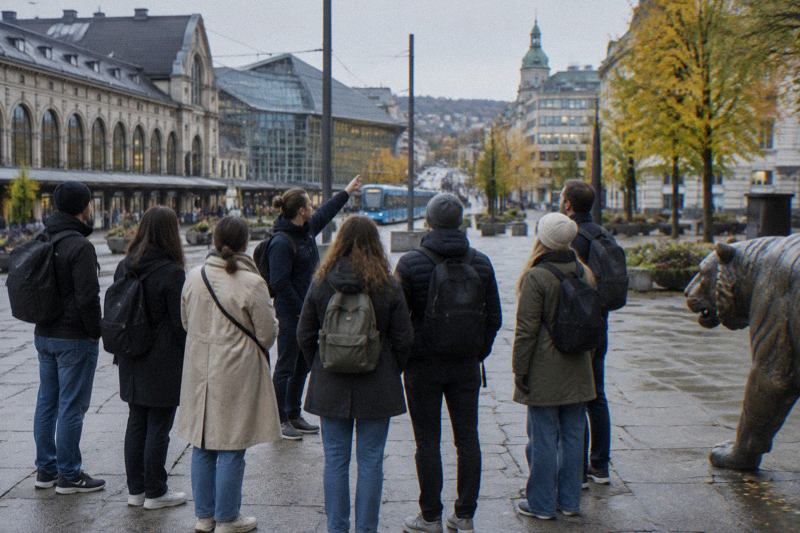
The cheapest first two hours in Oslo is a free walking tour: Nordic Freedom Tours runs a 2-hour walk rated 4.76 out of 5 across 2,192 GuruWalk reviews, meeting outside Jernbanetorget station at the bronze Tiger sculpture, in English and Norwegian, on a pay-what-you-want basis. Two other featured walks cover the same ground in different formats, so the choice is about duration and language, not price, because every walk is free to join.
A free tour is the single most useful budget tactic in Oslo, because it converts your most expensive resource as a first-time visitor, uncertainty, into an oriented plan. The 2-hour walk from Nordic Freedom Tours covers the Sentrum and Karl Johan spine: the central station, the main street, the Storting, the Royal Palace park and the waterfront. You finish knowing the layout of the compact centre, which is what makes everything else on this page walkable.
The three walks above differ in shape, not in cost. The Nordic Freedom Tours walk is the established option with the deepest review pool on GuruWalk. The Short Walk, English Only, runs 1 hour 30 minutes from the tiger statue in front of Oslo Central Station and carries a 9.7 out of 10 rating across 332 freetour.com reviews, a good fit if two hours sounds like too much standing. The Perfect Introduction walk is the longest at 2 hours 15 minutes, rated 9.1 out of 10 across 191 freetour.com reviews, and meets near the Royal Palace by the glove statue, where the guide holds a white umbrella.
If your interest is less the parade of monuments and more the parts of the centre that guidebooks skim, there is a fourth featured option worth knowing. The City Walk, Secrets Guide Included, rated 4.69 across 42 GuruWalk reviews, runs 2 hours from the main entrance of the National Theatre and hands you a local secrets guide as part of the walk. It is the same pay-what-you-want model, in English and Spanish.
For the full comparison of the city's free walks, including the page-only history walks with small review pools, see the guide to Oslo's free walking tour options. One budget note that matters more than the walk choice: decide your tip in advance. The pay-what-you-want model means the walk costs nothing up front, and a planned tip keeps the "free" honest rather than awkward at the end.
The Free Attractions That Anchor A Budget Itinerary
Oslo's four best free attractions are Vigeland Park, the Akershus Fortress grounds, the Oslo Opera House roof and foyer, and the Royal Palace park, all free with no ticket and no booking. Two carry conditions to remember: the paid halves inside the fortress and beside the park are separate tickets, and the Opera House roof is free while performances cost roughly 150 to 990 NOK. All four sit within walking or short transit distance of the centre.
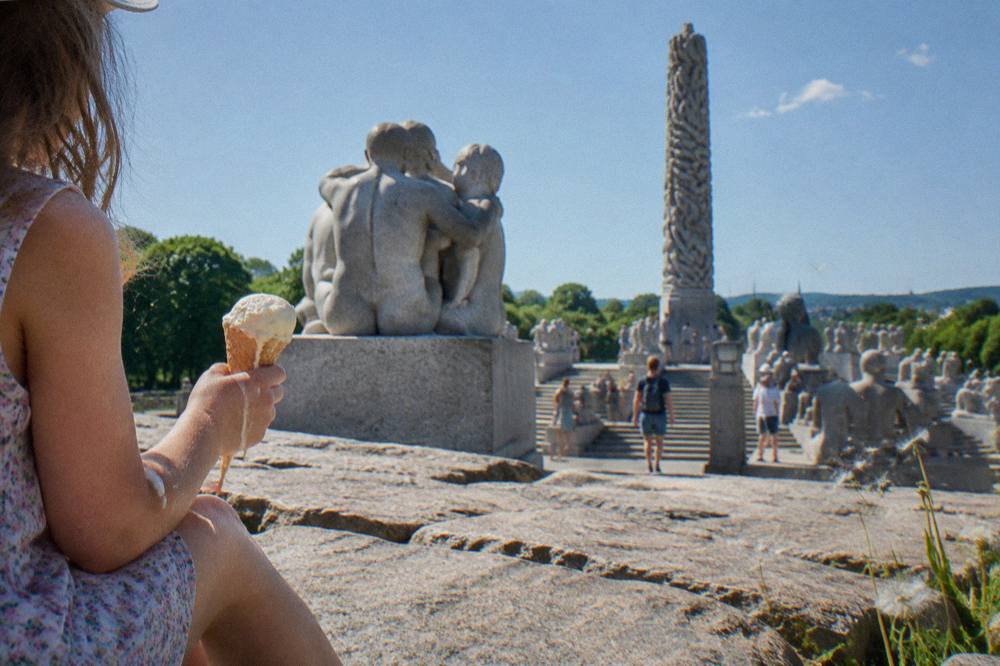
Vigeland Park is the city's signature free sight: an outdoor sculpture park, open around the clock, with more than two hundred bronze and granite figures by Gustav Vigeland arranged along a monumental axis. It costs nothing, needs no ticket, and pairs with the free-to-walk Frogner Park around it. The indoor Vigeland Museum next door is a separate institution with a separate ~120 NOK ticket, free only for visitors aged 0 to 17 and Oslo Pass holders. The park is the reason to come; the museum is an optional add-on, not the main event.
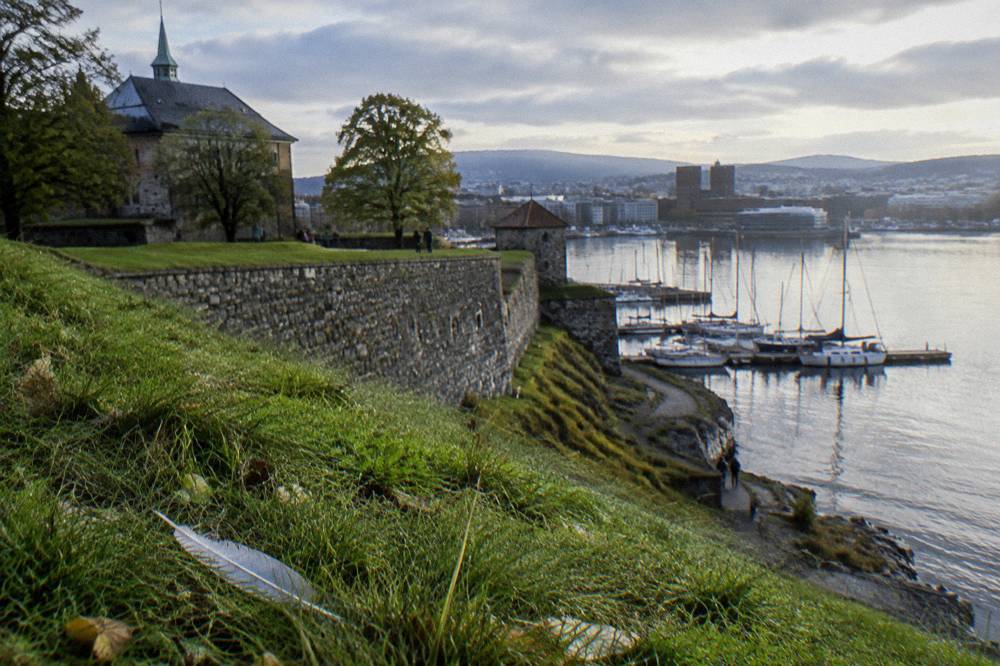
The Akershus Fortress grounds work the same way. The ramparts, the views over the fjord, and the walk through centuries of military architecture are free and open to the public. The castle interior and Norway's Resistance Museum inside the grounds each charge about 160 NOK. For a budget visitor the grounds alone deliver most of the experience, and the full breakdown of what is free and what is not is in the guide to Akershus Fortress and what is free.
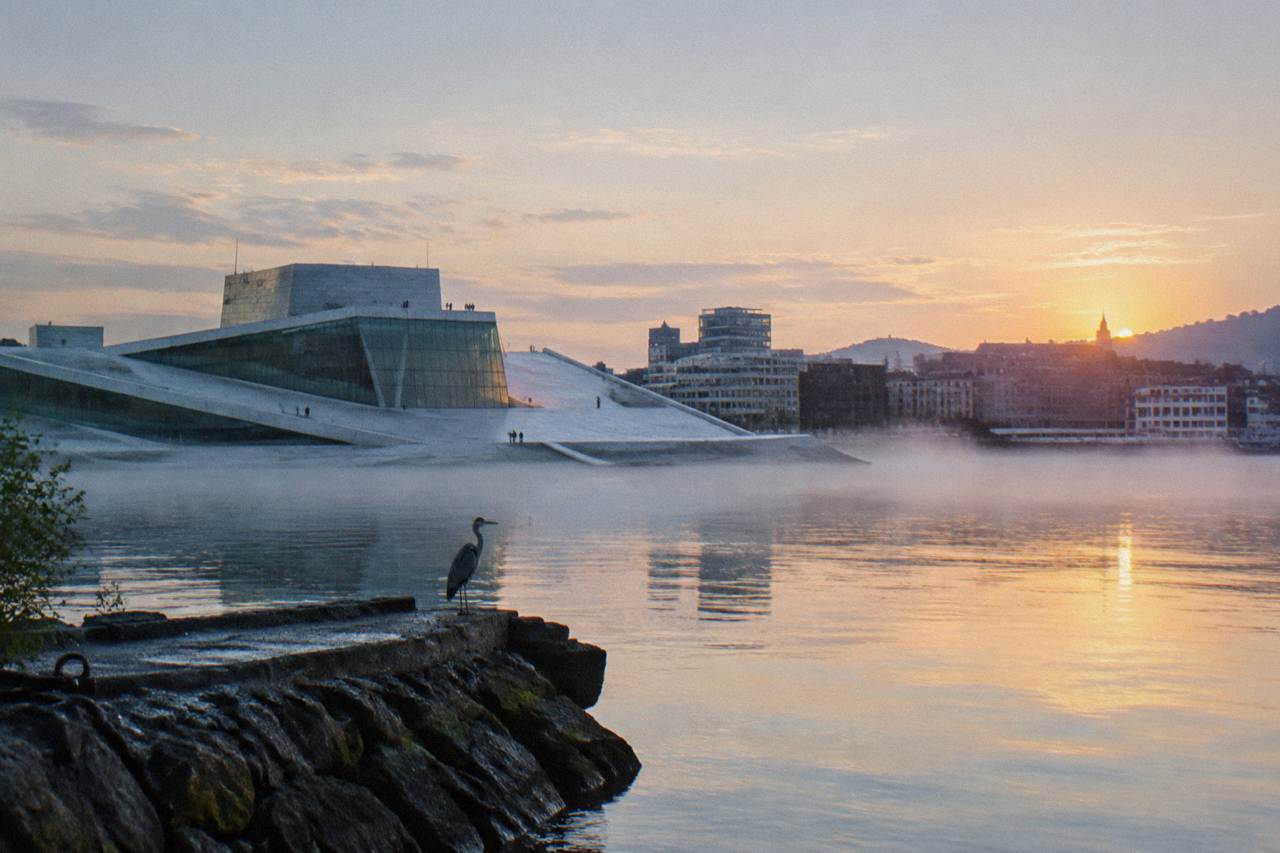
The Opera House is the budget traveller's friend because its best feature is architectural, not theatrical. The marble roof slopes from the plaza down to the water's edge, and walking up it is free, as is the public foyer inside. A performance ticket costs roughly 150 to 990 NOK depending on the seat and the show, but the roof view across the Bjorvika inlet at sunset costs nothing and is the most photographed free vantage in the city. The official opera site, operaen.no, lists what is open to the public.
The Royal Palace park closes the set: free year-round, with the changing of the guard visible from outside, and the paid indoor tour running only in summer with advance booking. For a fuller directory of no-cost sights, see the free places to visit in Oslo.
Museums: Where The Genuine Free Windows Are
Oslo's only confirmed recurring free museum window for adults is MUNCH's first-Wednesday evening opening, 18:00 to 21:00, excluding July, August and September. Under-18 entry is free at the National Museum, MUNCH, the Nobel Peace Center, the Astrup Fearnley Museum and the Ibsen Museum. No recurring adult free day exists at the state museums, so budget planning means either timing a MUNCH evening or choosing which paid museums genuinely matter to you.
The free-window picture deserves precision, because vague advice about "free museum days" circulates widely and is mostly wrong for Oslo. Research across the major institutions found no verifiable recurring free day for adults at the National Museum or the other state and private museums. The MUNCH evening scheme is real, confirmed on the museum's own site, munch.no, and it is the one confirmed recurring free window in the city. Plan a first Wednesday outside the summer exclusion months and the Edvard Munch collection costs nothing after 18:00.
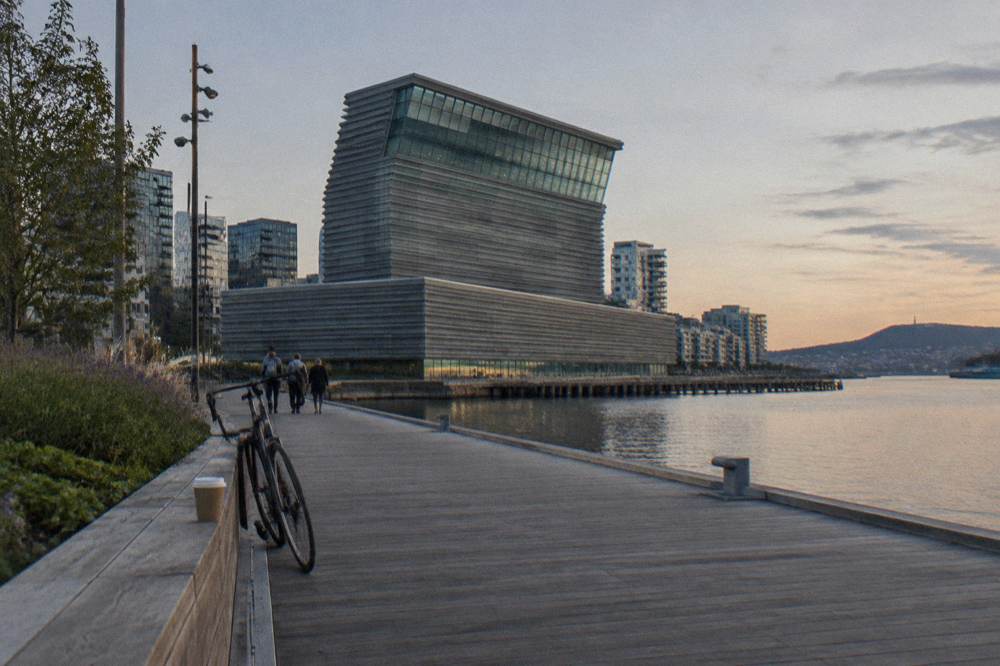
For everyone else, the honest budget move is the under-18 rule: families with teenagers save the most in Oslo of almost any city in Europe, because nearly every major museum, the National Museum, MUNCH, the Nobel Peace Center, Astrup Fearnley (under-20), the Ibsen Museum, admits children and teenagers free. The Oslo Pass is the other lever, and whether it pays off depends entirely on how many paid museums you intend to stack into a short visit; the official tourism site, visitoslo.com, carries the current pass pricing.
| Museum | Free for adults? | Free for under-18s? | Budget tactic |
|---|---|---|---|
| MUNCH | First-Wednesday evenings 18:00-21:00, except July-September | Yes | Time a first Wednesday visit |
| National Museum | No recurring adult free day found | Yes | Pay only if the collection matters to you |
| Nobel Peace Center | No, except Oslo Pass | Yes | Short visit, decide on priorities |
| Astrup Fearnley | No, except Oslo Pass and under-20 | Yes (under-20) | Free under-20 rule |
| Vigeland Museum | No, ~120 NOK | Yes (0-17) | The free park beside it is the main sight |
| City Hall interior | Free, with free guided tours in summer, drop-in | Free | Walk in |
The full museum-by-museum breakdown, including the paid peninsula cluster at Bygdøy and the currently closed Viking Ship Museum, is in the guide to free museums in Oslo.
Getting Around Without Overspending
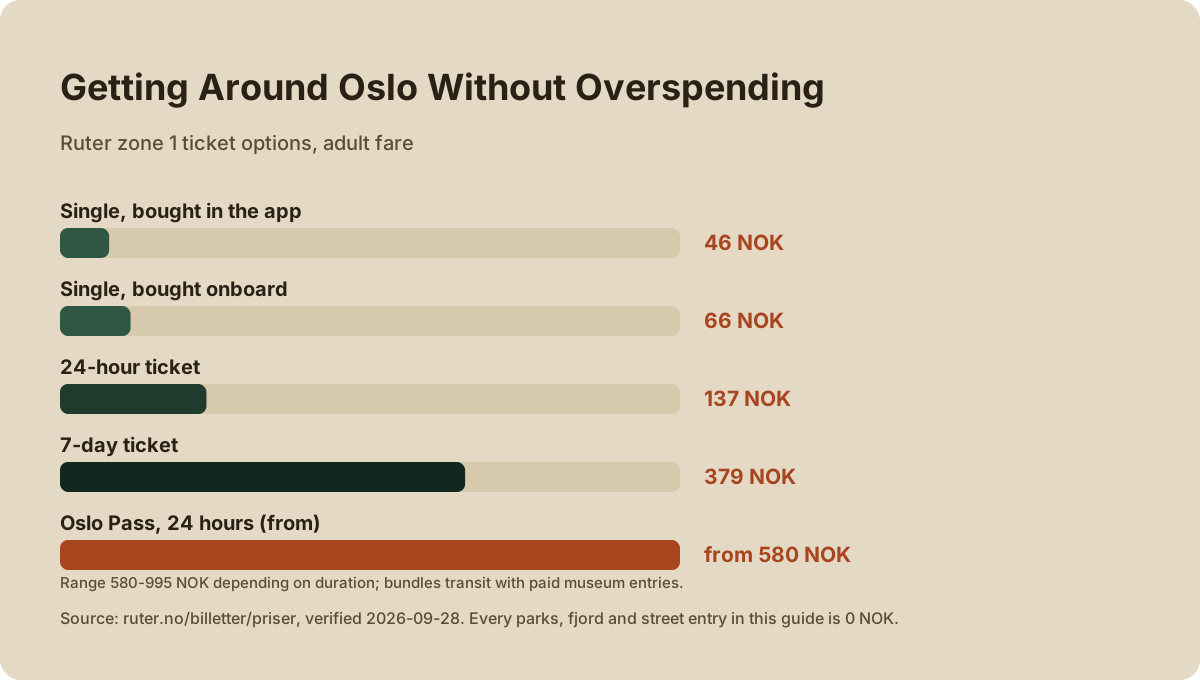
Oslo's centre is compact enough that a budget visitor can walk between nearly everything in this guide, making transit a small cost rather than a daily one. The one trap to know: the ferries to the fjord islands are paid Ruter transit at the standard fare, never free transport, even though the islands themselves are free public land. Vigeland Park, the Botanical Garden and the Opera House are all reachable on foot or with a single short fare.
The tactical advice is simple. Base yourself near the Sentrum and Karl Johan spine and the first day needs no transit at all: the walking tours, the Royal Palace park, the Opera House roof, the Akershus grounds and the waterfront promenades form one continuous walkable zone. Day two is where transit enters: Vigeland Park sits west of the centre, the Botanical Garden sits east at Tøyen, and the fjord islands need the ferry. A single Ruter fare covers each leg, and the islands guide explains the ferry mechanics in detail, including why the crossing must be counted as a transit cost in your plan.
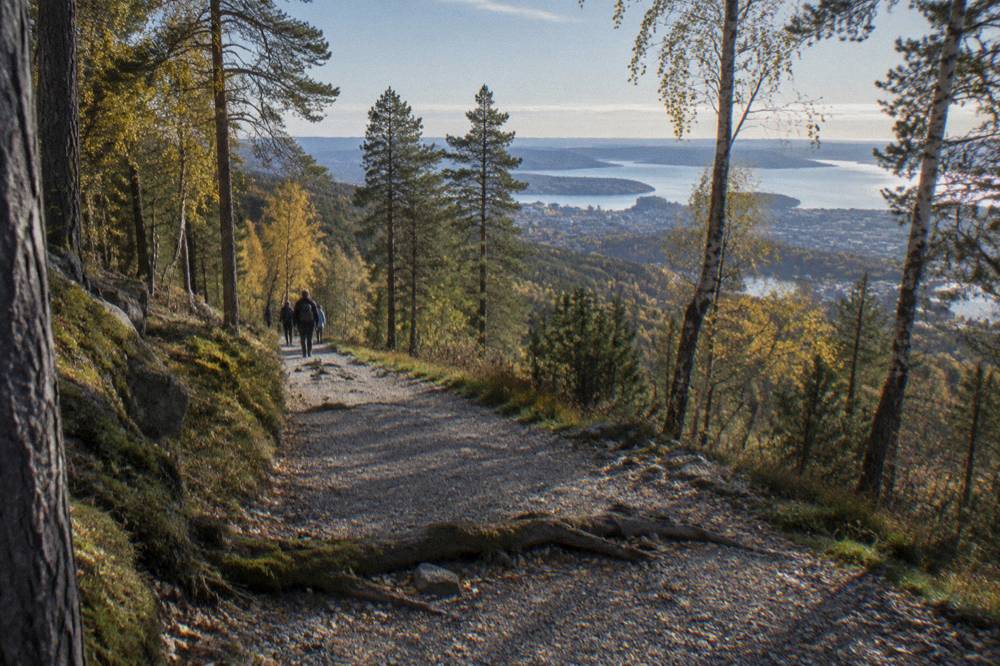
The genuinely free transport in Oslo is the trail network. The Frognerseteren forest trails above Holmenkollen are free public access, and the hillside and forest around the ski jump are free to walk. Only the ski jump tower and ski museum combination, at 200 NOK, is paid, and whether the tower base itself can be viewed free is not something we state either way, because the sources do not settle it. A forest walk with a view over the entire fjord is the cheapest big excursion in the Oslo region.
| Journey | Cost | Budget verdict |
|---|---|---|
| Sentrum to Opera House | Free on foot | Walk it, 10 minutes |
| Sentrum to Royal Palace park | Free on foot | Straight up Karl Johan |
| Centre to Vigeland Park | One Ruter fare | Combine with Frogner Park |
| Centre to Botanical Garden | One Ruter fare | Garden itself free for all |
| Centre to Hovedøya island | Standard Ruter ferry fare | Island free, crossing paid |
| Centre to Holmenkollen trails | One Ruter fare | Hillside and forest free |
Eating And Drinking On A Budget
Food is where Oslo budgets actually break, because restaurant prices are high even by Nordic standards, so the working tactics are supermarkets, bakery breakfasts, picnic lunches in the free parks, and reserving restaurant spending for one planned meal. The free attractions help here too: Vigeland Park, the Akershus grounds and the Sørenga and Huk waterfronts are all legitimate picnic ground, which turns lunch from a cafe stop into a supermarket stop.
The supermarket strategy is not a hardship in Norway, it is close to the local norm. Grocery chains stock ready-made sandwiches, salads and hot items at prices far below cafe equivalents, and a bakery breakfast near the central station costs a fraction of a hotel breakfast. Alcohol is the single most punishing line in any Oslo budget and the one where even a modest habit will dominate the daily spend; the honest advice is to treat it as a deliberate, budgeted choice rather than an impulse.
Picnic-friendly free ground is abundant. The waterfront promenades at Aker Brygge and Sørenga, the Huk beach on the Bygdøy side, the lawns of the Royal Palace park and the Botanical Garden at Tøyen, which is free for all visitors, all work as lunch stops with a view. The Botanical Garden deserves a special mention for budget families: a large, cultivated, free public garden with greenhouses and collections, costing nothing, and it sits beside the paid Natural History Museum whose current adult price we do not publish because it has not been independently re-verified.
The one meal worth planning a budget around is the one that matters to you. A single well-chosen dinner, or a plate of something specifically Norwegian, will be remembered longer than four improvised cafe stops. Everything else in this guide exists to make room for it.
A Two-Day Budget Plan, Hour By Hour
Yes, you can see Oslo's essentials in two days on almost nothing: day one covers a pay-what-you-want walking tour, the Royal Palace park, Karl Johan, the Opera House roof and the Akershus grounds, all free, while day two spends one or two transit fares on Vigeland Park plus the Botanical Garden or a fjord island, leaving the 200 NOK Holmenkollen tower as the only optional paid item.
Day one is the walking day. Meet the Nordic Freedom Tours walk outside Jernbanetorget at the bronze Tiger sculpture, and let the 2-hour tour lay out the centre. Afternoon: walk the length of Karl Johan to the Royal Palace park, then loop east to the Opera House and climb the roof while the light is still on the marble. Late afternoon, cross to the Akershus grounds for the rampart views over the fjord, and finish along the Aker Brygge promenade. Total activity cost: the tour tip, and nothing else.
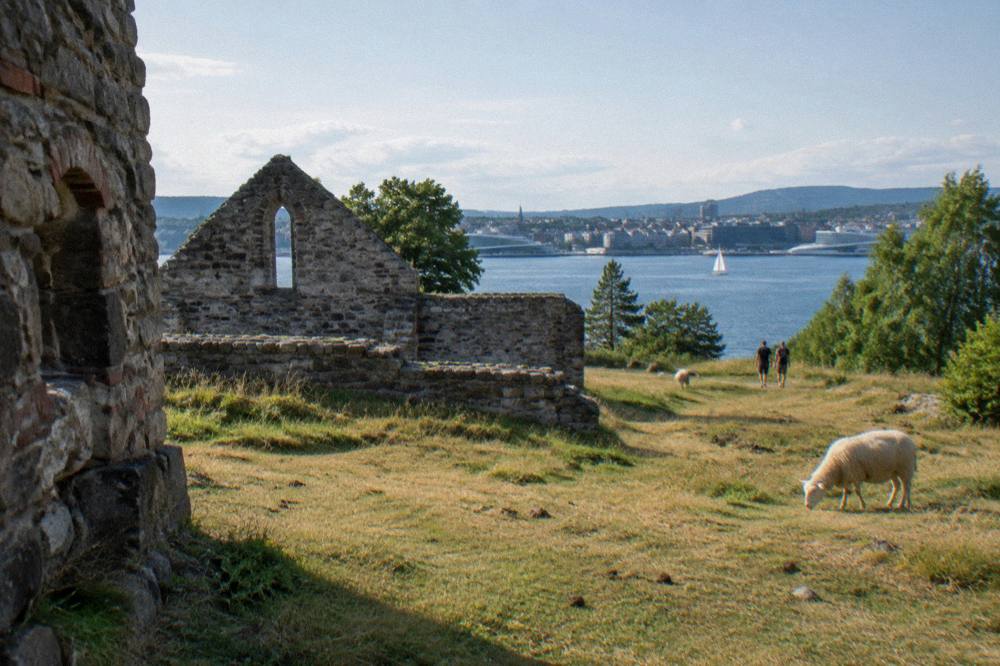
Day two is the choose-one day. Option A is art and sculpture: Vigeland Park in the morning, free and always open, then the Botanical Garden at Tøyen. Option B is water and forest: the Ruter ferry to Hovedøya, free public land with monastery ruins and swimming coves, or the trails above Holmenkollen with the whole fjord below. If a first-Wednesday evening falls in your trip, slot the free MUNCH window into either day after 18:00.
| Slot | Day one, free spine | Day two, choose one |
|---|---|---|
| Morning | Free walking tour from Jernbanetorget | Vigeland Park, or the Hovedøya ferry |
| Midday | Karl Johan and the Royal Palace park | Botanical Garden at Tøyen, free for all |
| Afternoon | Opera House roof and foyer, then Akershus grounds | Frognerseteren forest trails, free access |
| Evening | Aker Brygge promenade, picnic or one planned dinner | MUNCH free window if it is a first Wednesday |
| Activity cost | Tour tip only | One or two transit fares, optional 200 NOK tower |
If you have a third day, the free and near-free excursions widen further, and the guide to free day trips from Oslo covers them. Winter travellers have their own set of tactics, in the guide to Oslo in winter for free.
What Could Go Wrong With This Plan
Two things could go wrong: assuming the paid halves of the half-free attractions are covered, which would add the Akershus Castle interior at about 160 NOK, the Vigeland Museum at about 120 NOK, and the Holmenkollen tower and ski museum at 200 NOK, and counting on the MUNCH free evening in July, August or September, when it does not run. Neither paid attraction breaks the plan, since each has a free half built in.
This is why the condition travels with every claim on this site. A visitor who reads "Akershus is free" and arrives expecting the castle interior will feel misled, even though the grounds, the ramparts and the fjord views genuinely are free and are the better half of a budget visit. The same discipline applies to the islands: free land, paid ferry. And the Opera House: free roof and foyer, paid performances. Each paid half is a deliberate purchase, never a surprise.
The seasonal patterns deserve a line of their own. The Royal Palace tour runs only in summer. The City Hall's free guided tours are summer-only, drop-in, though the interior itself is free to enter. The MUNCH free evening skips the three peak summer months. If you travel in July or August, accept that the free museum window is closed and budget one paid museum instead; if you travel in the shoulder season, the calendar works in your favour.
For the full list of no-cost sights beyond this two-day plan, start from Free Things To Do In Oslo and the directory of free places to visit in Oslo.
Common Questions About Oslo On A Budget
Can You See Oslo Without Spending Money on Activities?
Almost entirely, yes. The free walking tours are pay-what-you-want, and Vigeland Park, the Akershus Fortress grounds, the Opera House roof and foyer, the Royal Palace park, the Botanical Garden and the fjord islands are all free. The only unavoidable costs are food, transit fares and any paid half you choose to add, such as the Akershus Castle interior at about 160 NOK.
How Much Should I Tip for a Free Walking Tour in Oslo?
There is no fixed amount, because the model is pay what you want: you decide at the end based on the quality of the walk. Decide a range before the tour starts so the moment is planned rather than awkward, and treat it as the only activity cost of your first day.
Are Museums Ever Free in Oslo for Adults?
Yes, in one confirmed recurring case: MUNCH opens free on first-Wednesday evenings from 18:00 to 21:00, except in July, August and September. No recurring adult free day was found at the National Museum or the other major museums. Under-18s enter free at nearly all of them, and the Oslo Pass covers several paid museums.
Is the Ferry to the Oslo Fjord Islands Free?
No. The islands themselves, such as Hovedøya, are free public land, but the Ruter ferry that reaches them is paid at the standard transit fare. Count the crossing as a transit cost in your budget and the island itself as free.
What Is the Cheapest Way to Get Around Oslo?
Walking. The compact centre links the walking tours, the Royal Palace park, the Opera House and the Akershus grounds in one continuous zone, so a first day can run with no transit at all. Day two needs only one or two single fares for Vigeland Park, the Botanical Garden, the islands or the Holmenkollen trails.
Is the Oslo Pass Worth It on a Budget?
It depends entirely on how many paid museums you plan to stack into a short stay. If your itinerary is built on the free attractions in this guide, the pass may save little, because most of your day costs nothing. If you intend to visit several paid museums, especially with the under-18 free rules already applied, compare the pass price against your specific ticket list before buying.