Free Day Trips From Oslo: Islands, Forests And Hills That Cost Nothing
Oslo is one of the few capitals where a genuine day trip can end with a total spend of zero at the destination. The fjord islands, the Holmenkollen hillside and the Nordmarka forest are all free the moment you step off the ferry or the train. The journey there is another matter, and this guide keeps the two apart.
Short answer
The best free day trips from Oslo are the Hovedøya fjord island, the Holmenkollen hillside and the Sognsvann and Nordmarka forest. The destinations themselves cost nothing, but the Ruter ferry and the metro ride to the trailheads are paid standard transit fares. Budget roughly a transit ticket each way and everything at the far end is free.
Oslo sits at the end of a fjord with a forest wrapped around its northern edge, which is unusual for a capital and very good news for anyone travelling on nothing. The city's own attractions get most of the attention, but the real budget prizes sit one ferry or one metro ride away: an island with monastery ruins and swimming coves, a hillside above the ski jump, and a chain of forest lakes that locals treat as their summer living room.
The catch is that the journey is never free. Every day trip in this guide involves a paid Ruter transit fare in at least one direction, and the ferry to the islands is a standard ticket, not a free shuttle. The rule this site applies throughout: the destination is free, the transport is not, and no sentence here will blur the two. For a fuller picture of what the city itself costs, see the guide to Oslo on a budget.
Which Free Day Trips From Oslo Cost Nothing Once You Arrive?
Four day trips from Oslo cost nothing at the destination: the Hovedøya fjord island, the Holmenkollen hillside and forest, the Sognsvann lake and Nordmarka trail network, and the Ekebergparken sculpture park on the city's south ridge. Each one is free public land with no gate, no ticket desk and no admission mechanism of any kind. The only money involved is the Ruter transit fare to reach the trailhead or the pier.
That distinction, free land versus free transport, is the single most useful thing to understand before planning. Oslo's ferry islands are free public land, but the Ruter boats that serve them are ordinary paid transit, exactly like a bus. The forest is free, but the metro to Frognerseteren or Sognsvann runs on the ordinary fare system. None of this is expensive by Oslo standards, and a day ticket can make several trips cheaper than separate singles, but "free" never applies to the ride itself.
The table below is the honest version of the comparison. Every destination row is genuinely free to enter. Every transport row is genuinely paid. No entry in the "cost at destination" column carries a condition, because none of these places has a mechanism to charge you.
| Day trip | What it is | Cost at destination | Transport |
|---|---|---|---|
| Hovedøya | Fjord island with monastery ruins, beaches and forest paths | Free, public land | Ruter ferry, paid standard fare |
| Holmenkollen hillside | Forest trails and viewpoints above the ski jump | Free, public land | Metro to Frognerseteren, paid fare |
| Sognsvann and Nordmarka | Lake and forest trail network at the city's northern edge | Free, public land | Metro to Sognsvann, paid fare |
| Ekebergparken | Sculpture park on the south ridge | Free, public land | Tram or bus, paid fare |
The ski jump tower and ski museum at Holmenkollen are a separate matter, discussed in their own section below, and they are paid. The same applies to the Viking Ship Museum on the Bygdøy peninsula, which is currently closed for rebuilding and is not priced anywhere on this site. If a day trip list tells you "Bygdøy is free", it is wrong as a blanket statement: the peninsula's land is free to walk, but its museums each charge admission.
One more planning note worth knowing before you choose. Oslo's museums have no recurring free admission day for adults, and this was specifically checked rather than assumed. The one confirmed recurring free window in the city is MUNCH's first-Wednesday evening opening, which excludes July, August and September. If your day trip plans are flexible, that evening slot pairs well with a daytime island or forest trip, since the museum sits right on the Bjorvika waterfront next to the Opera House.
Is The Ferry To Hovedøya Free?
No, the ferry to Hovedøya is not free, and no sentence on this site will tell you otherwise. The ferry is an ordinary Ruter route with a standard paid transit fare, the same ticket system as the city's buses and metro. What is free is the island itself: Hovedøya is public land, with no entrance charge, no gate and no ticket desk, so once you step off the boat everything on the island costs nothing.
That makes Hovedøya the closest thing Oslo has to a classic free day trip, with one honest asterisk. The island sits about ten minutes across the water from central Oslo and packs in the ruins of a medieval Cistercian monastery, grassy slopes, swimming coves and a network of forest paths. In summer, locals treat it as a beach destination. In the quieter months, it becomes a walking destination with the city skyline across the water as a constant backdrop.
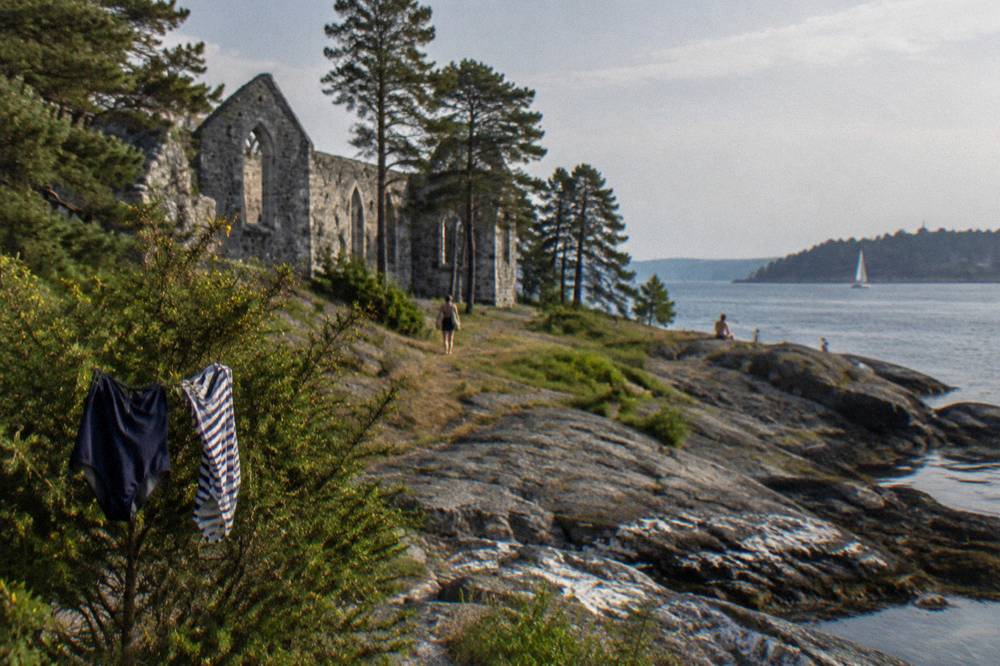
The practical plan is simple. Take the Ruter ferry from the piers at Vippetangen near Akershus Fortress, pay the standard fare, and treat the ticket exactly as you would a bus ticket. The islands themselves, including Hovedøya, are free land with no charge for the beaches, the ruins or the paths. This site keeps a full dedicated guide to the fjord islands and Oslo ferries, which covers the crossing, the island's swimming spots and the other islands on the same route in far more detail than a day-trip overview can.
What you get for the fare is a genuinely unusual half-day. Few capitals let you stand in a medieval monastery ruin, swim off a rocky cove and still see the Opera House from the water, all before lunch. Bring what you need with you, because the island's facilities are minimal by design and the point of the trip is the emptiness.
If the day on the water leaves you wanting a proper orientation walk through the city on your return, the free walking tours that leave from Sentrum are the natural pairing. All of them run on the pay-what-you-want model, so the walk itself carries no price at all.
Is Holmenkollen Free To Visit?
The Holmenkollen hillside and forest are free to visit, and the trails around Frognerseteren are some of the best free walking in the city. The Ski Jump Tower and the Ski Museum are not free: they share one combined paid ticket at 200 NOK, run by Skiforeningen, the Norwegian Ski Association. The free part and the paid part sit in the same area but are completely separate experiences.
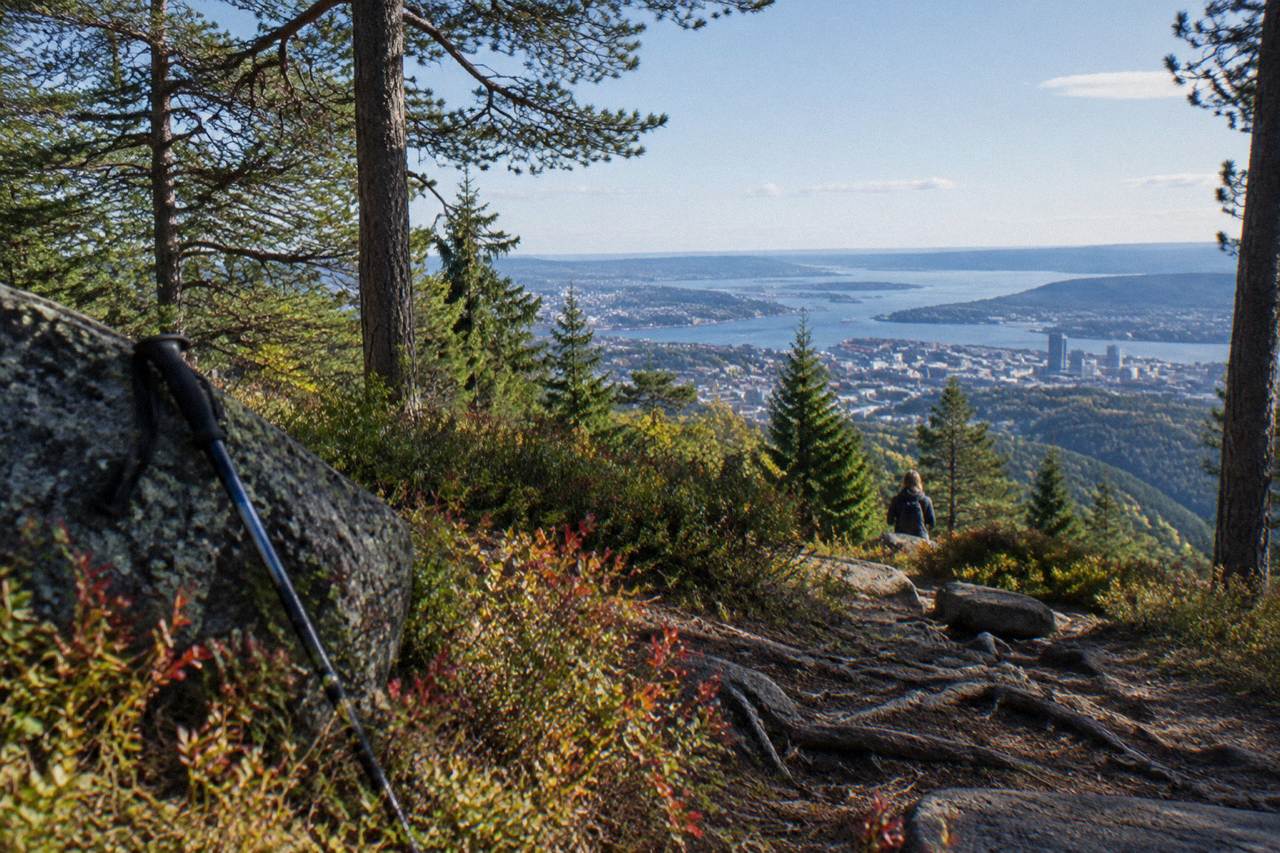
The free day trip version of Holmenkollen skips the tower entirely and does not suffer for it. The metro ride up to Frognerseteren is one of the most scenic transit journeys in the city, climbing through residential Oslo into full forest, and the trail network at the top connects to viewpoints over the fjord, marked ski jumps, and café stops that have been serving hikers for generations. The wider hillside and forest, the Frognerseteren trail network, is confirmed free public land with no admission mechanism anywhere.
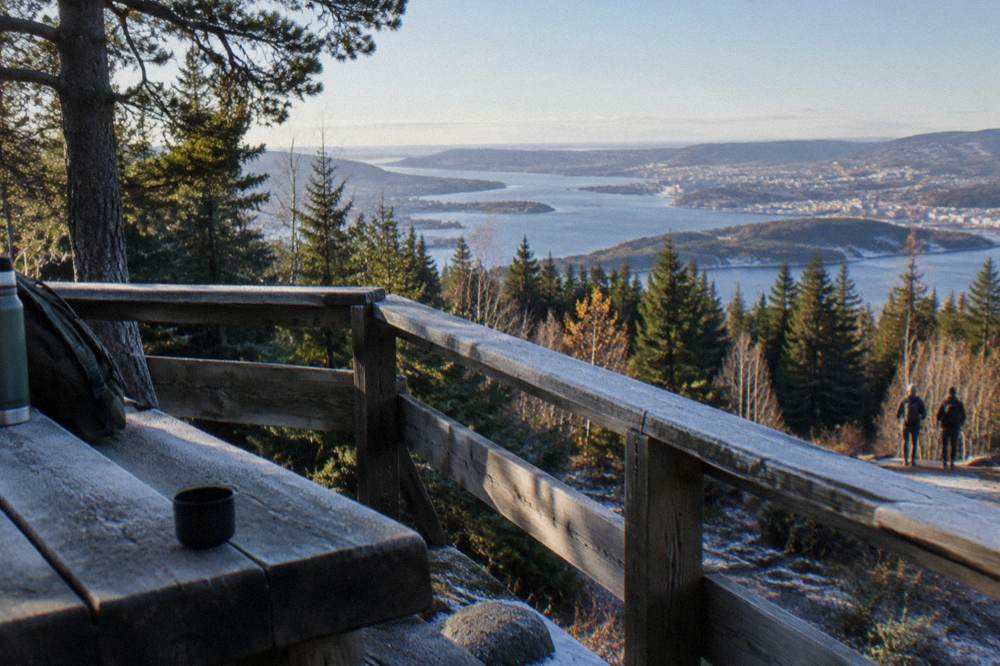
The paid attraction is the tower and museum complex, which Skiforeningen's official site covers in full, including the combined 200 NOK ticket. Whether the immediate base of the ski jump itself can be viewed without buying that ticket is genuinely unclear from the official material, so this site states no version of it either way. What can be said plainly: the tower's top deck and the museum inside are paid, and the forest all around them is not.
| Holmenkollen experience | Status | Notes |
|---|---|---|
| Frognerseteren trail network | Free, public land | Marked forest paths and fjord viewpoints |
| Hillside and forest around the ski jump | Free, public land | Confirmed free by Skiforeningen's own material |
| Ski Jump Tower and Ski Museum | Paid, 200 NOK combined | One ticket covers both, run by Skiforeningen |
| Base of the jump hill itself | Unclear from official sources | This site publishes no claim either way |
For a deeper look at exactly where the free line falls, the blog post Is Holmenkollen Free To Visit? works through the whole area attraction by attraction. As a day trip, the sensible plan is the metro up, a loop through the forest, and the metro back down, with the tower left as an optional paid add-on only if the museum matters to you.
Can You Start A Day Trip With A Free Walk Through Sentrum?
Yes, a free walk through Sentrum is an ideal way to start a day trip, since every major trailhead sits within twenty minutes of the city centre. The pay-what-you-want walking tours that leave from Sentrum and Karl Johan cost nothing to join and cover the central stretch of the city in about two hours, giving you the city's outline before an afternoon in the forest or on the water.
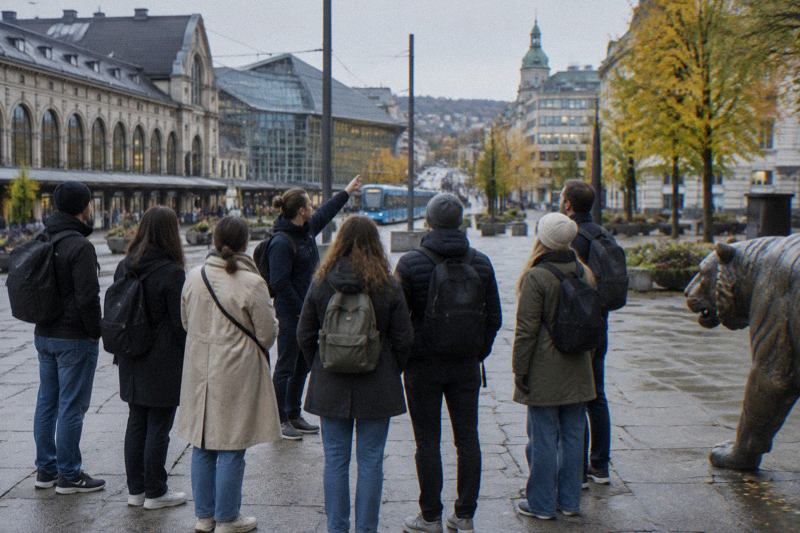
The strongest of the city-centre walks for this purpose is the Nordic Freedom Tours 2-hour walk, rated 4.76 out of 5 across 2,192 GuruWalk reviews. It meets outside Jernbanetorget metro/subway station, at the bronze Tiger sculpture, which is conveniently also the transport hub you would use to reach the ferry piers or the metro lines north. Two hours with a guide covering Karl Johan, the main street, and the central squares, then straight onto the metro or the ferry with your bearings set. Everything else covered here is indexed on Free Things To Do In Oslo.
A shorter English-only alternative is the Short Walk from the Tiger Statue in front of Oslo Central Station, rated 9.7 out of 10 across 332 freetour.com reviews, which runs an hour and a half and leaves more of the day free for the trip itself. The longest option, the Perfect Introduction walk near the Royal Palace at the statue of the glove with the white umbrella, runs 2 hours 15 minutes and is rated 9.1 out of 10 across 191 freetour.com reviews. All three are pay what you want, so the choice is about duration and starting point, not cost.
For a walk that leans more toward the city's character than its checklist, the City Walk with a secrets guide included meets at the main entrance of the National Theatre, next to the Henrik Ibsen statue, and is rated 4.69 out of 5 across 42 GuruWalk reviews. Two hours, English and Spanish, and it hands you a local secrets guide you keep, which is a genuinely useful object to have in your pocket when you head out to the islands or the forest afterwards.
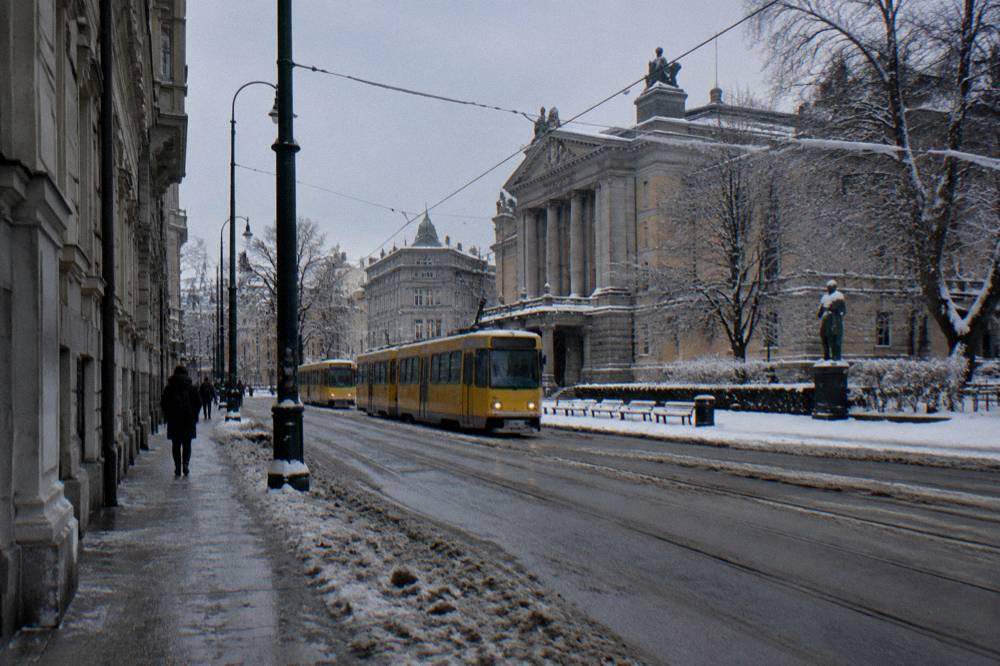
The pairing logic is straightforward. Morning walk in Sentrum, afternoon on Hovedøya or at Holmenkollen, and the whole day's spending is one or two transit fares plus whatever you tip the guide. The walks run on the pay-what-you-want model, so even that tip is entirely your call, and the question of how much is worth thinking about in advance rather than deciding awkwardly at the end.
Is Sognsvann And Nordmarka A Free Forest Day Trip?
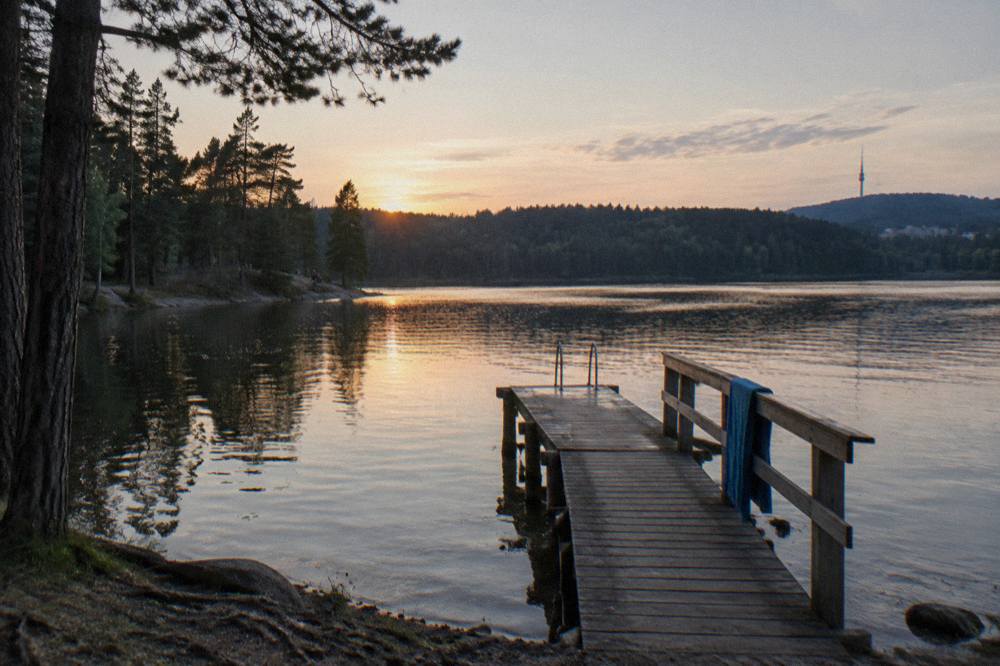
Yes, Sognsvann and the Nordmarka forest are a completely free day trip at the destination, and the most reliable one in the list. The lake at Sognsvann is free public land, the marked trails heading north from it into Nordmarka are free public forest, and there is no admission mechanism anywhere in the network. The metro ride to the Sognsvann station is a paid standard fare, and that is the trip's only cost.
This is the day trip locals actually take. The metro to Sognsvann puts you at the edge of a lake in about half an hour from the centre, and from the shoreline a web of marked trails runs north into Nordmarka, the forest that covers the hills above Oslo. In summer the lake is a swimming and picnic spot with a flat, easy loop path around it. In winter the same paths become cross-country ski and skating territory, and the forest is the reason many residents tolerate the city's prices in the first place.
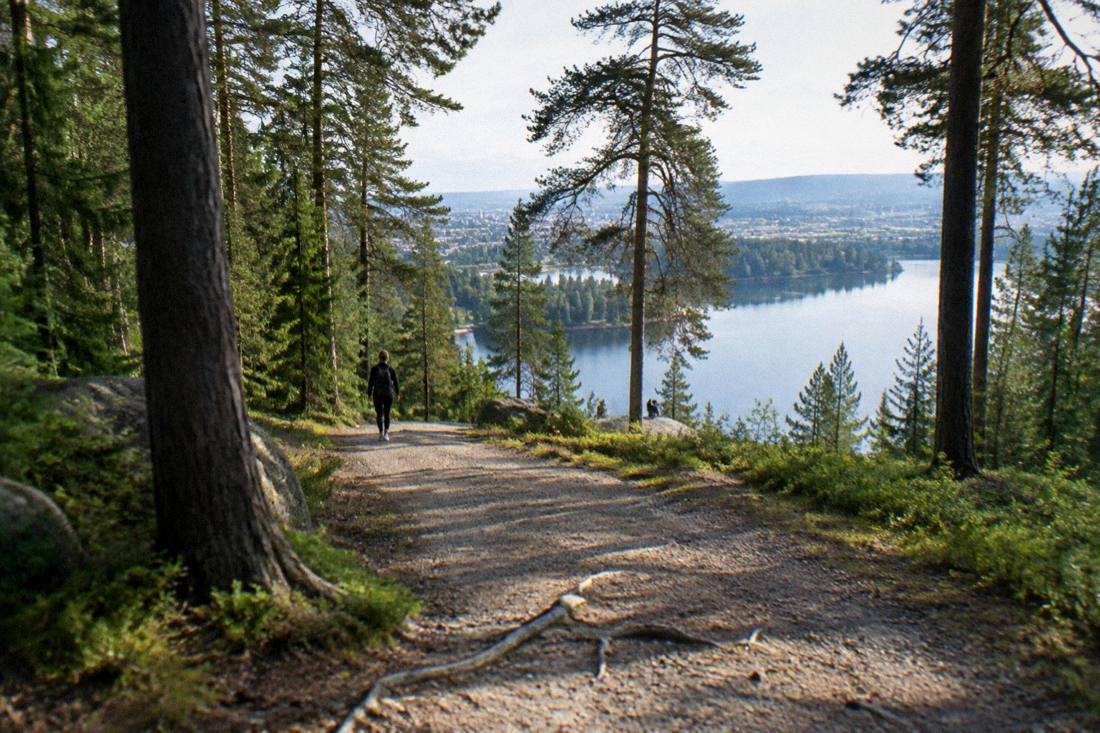
The trails range from the flat lakeshore loop, doable in ordinary shoes, to longer routes that climb into the hills and connect with the same Frognerseteren network described in the Holmenkollen section. You can, with a full day and reasonable fitness, walk the forest between the two trailheads and ride the metro back from either end. Water, layers and something to eat are worth carrying, because Nordmarka is real forest, not a park with a kiosk on every corner.
For planning the wider day, VisitOSLO's official site is the right source for transit ticket options and the Oslo Pass, which is worth weighing only if your day trip list also includes paid museums. If your day is purely islands, forest and walks, the pass buys you nothing the free itinerary does not already give you for nothing. The guide to free places to visit in Oslo covers the in-city half of that equation.
| Forest day trip plan | Distance and difficulty | What it costs |
|---|---|---|
| Sognsvann lakeshore loop | Short and flat, ordinary shoes fine | Metro fare only |
| Sognsvann to Frognerseteren through Nordmarka | A long day's forest walk, proper footwear needed | One metro fare each end |
| Frognerseteren viewpoint loops | Short to medium, some climbing | Metro fare only |
Winter changes the equipment list, not the price. The same forest is free under snow, and the metro runs the same route, but daylight is short and the trails demand more respect. The site's guide to Oslo in winter for free works through the cold-weather version of every trip on this page.
What Should You Pack For A Free Day Trip From Oslo?
Pack for the transport and the weather, not for any ticket desk, because none of these destinations sells you anything on arrival. For the islands: swimwear in summer, windproof layer always, water and food, since Hovedøya's facilities are minimal. For the forest: proper footwear, water, layers and a fully charged phone, since Nordmarka is genuine wilderness at the city's edge. For every trip: a transit ticket or payment for the Ruter fare, which is the one unavoidable cost.
The single most common mistake is treating these trips like city attractions. Hovedøya has no shops to speak of, and Nordmarka's forest cafés are spaced hours apart on foot. Everything you want to eat or drink for the day goes in the backpack before you board. The second most common mistake is assuming the weather at the ferry pier is the weather at the destination; the fjord water and the forest ridges each run a few degrees colder and windier than Sentrum, in every season.
| Item | Hovedøya | Holmenkollen forest | Sognsvann and Nordmarka |
|---|---|---|---|
| Swimwear | Summer | No | Summer |
| Windproof layer | Always | Always | Always |
| Proper walking shoes | Optional | Yes | Yes |
| Water and food | Yes, carry all | Yes, carry all | Yes, carry all |
| Transit fare | Ruter ferry, paid | Metro, paid | Metro, paid |
Time the return trip against the ferry or metro timetable rather than the sunset you would prefer. The island ferries thin out in the evening, and the last departures are earlier than most visitors expect, especially outside summer. A day trip that ends with an unplanned night on an island because the last boat was missed is a story, but not the one this guide is recommending.
With the packing settled, the day itself is a simple assembly: a pay-what-you-want walk through Sentrum in the morning to get your bearings, then a metro or ferry ride out to an island, a hillside or a forest that charges you nothing for the rest of the day. If you want to compare the three walk options that can open that kind of day, the selection below covers the short, the long and the local-secrets versions.
Common Questions About Free Day Trips From Oslo
Is The Ferry To The Oslo Fjord Islands Free?
No. The ferry is an ordinary Ruter route with a standard paid transit fare, the same ticket system as the city's buses and metro. The islands themselves, including Hovedøya, are free public land with no entrance charge once you step off the boat.
Is Holmenkollen Free To Visit?
The hillside and forest around Holmenkollen are free public land, including the Frognerseteren trail network. The Ski Jump Tower and Ski Museum are paid, sharing one combined 200 NOK ticket run by Skiforeningen. Whether the base of the jump hill itself can be viewed without a ticket is unclear from official sources, so this site makes no claim about it either way.
What Is The Best Free Day Trip From Oslo?
Hovedøya is the best short option, with monastery ruins, swimming coves and forest paths on free public land a short ferry ride from the centre. Sognsvann and Nordmarka are the best forest option, with free marked trails from the lake shoreline deep into the hills. Both cost only the paid transit fare to reach.
Can You Do A Day Trip From Oslo Without A Car?
Yes, and a car is actively unhelpful for every trip on this page. The islands are reachable only by ferry, and both the Holmenkollen and Sognsvann trailheads sit directly on metro lines. All transport is the ordinary paid Ruter fare, and no destination requires anything beyond a standard transit ticket.
Are The Free Walking Tours In Oslo Actually Free?
Yes, in the sense that no walk on this site's roster charges a booking price. Every walk runs on the pay-what-you-want model: you join for nothing and tip the guide at the end, at whatever amount you decide. There is no minimum and no obligation, though tipping is the model that keeps the walks running.
Is Nordmarka Forest Free To Enter?
Yes. Nordmarka and the Sognsvann lake at its edge are free public land with no admission mechanism anywhere in the network. The only cost is the paid metro fare to the Sognsvann station, and the trails run from the shoreline north into the forest with no gate or ticket to pass.