Is The Botanical Garden In Oslo Free?
Yes, the Botanical Garden in Oslo is free for every visitor, with no ticket and no booking. Here is what free covers, what still costs money at Tøyen, and how to pair the garden with a free walking tour.
Is The Botanical Garden In Oslo Free?
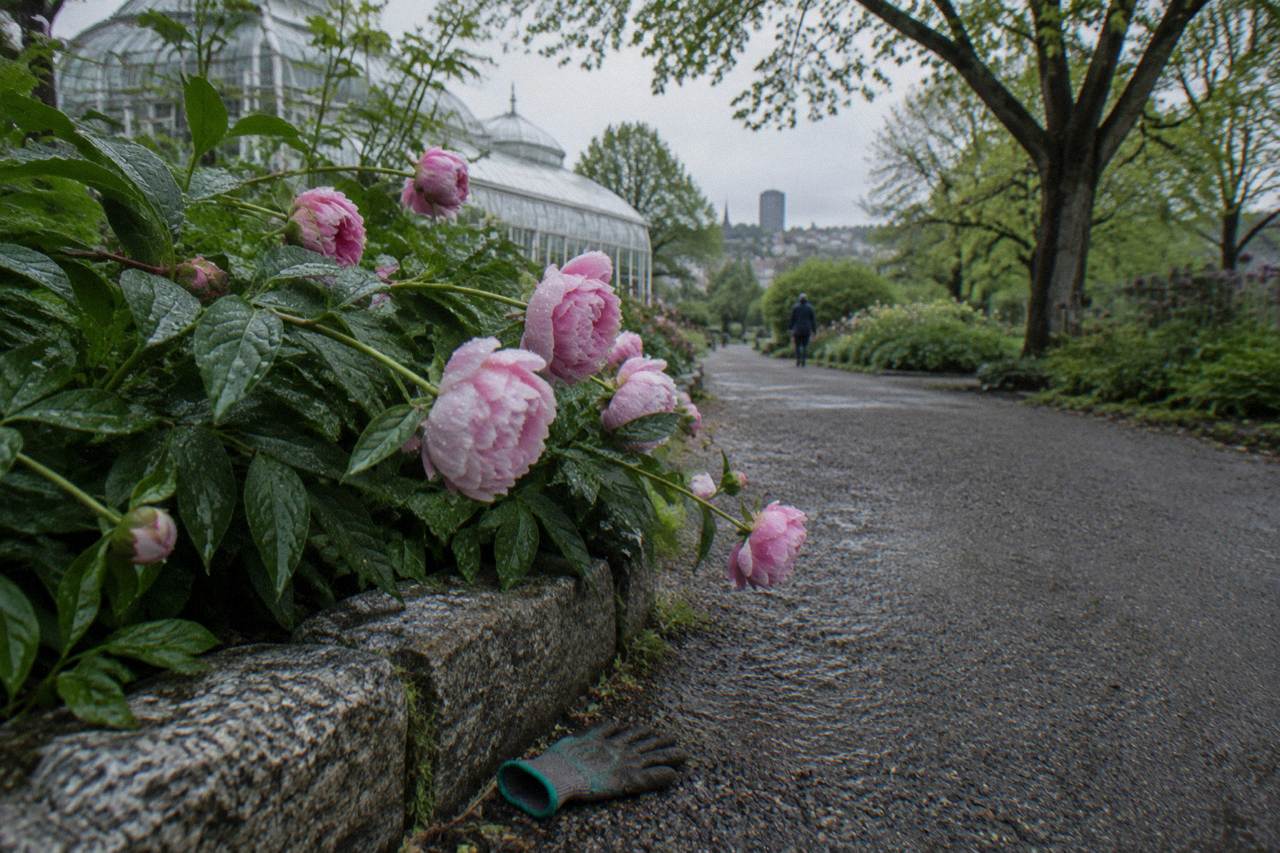
Yes, completely. The Botanical Garden at Tøyen is free to enter for every visitor, with no ticket, no booking and no conditions attached. It is run by the University of Oslo and open as a public garden, so there is no admission mechanism at the gate at all. The only thing nearby that costs money is the Natural History Museum beside it, which is a separate paid attraction that must not be confused with the garden itself.
That last sentence matters more than it sounds. Oslo has several places where a free outdoor space and a paid indoor institution sit side by side and share a visitor page, and Tøyen is one of the cleanest examples. The garden and the museum are operated under the same University of Oslo umbrella, but they follow different rules: the garden is free for all, while the museum's exhibitions charge admission. Visitors who read a museum price page and assume it covers the garden often walk away believing one of Oslo's best free sights costs money. It does not.
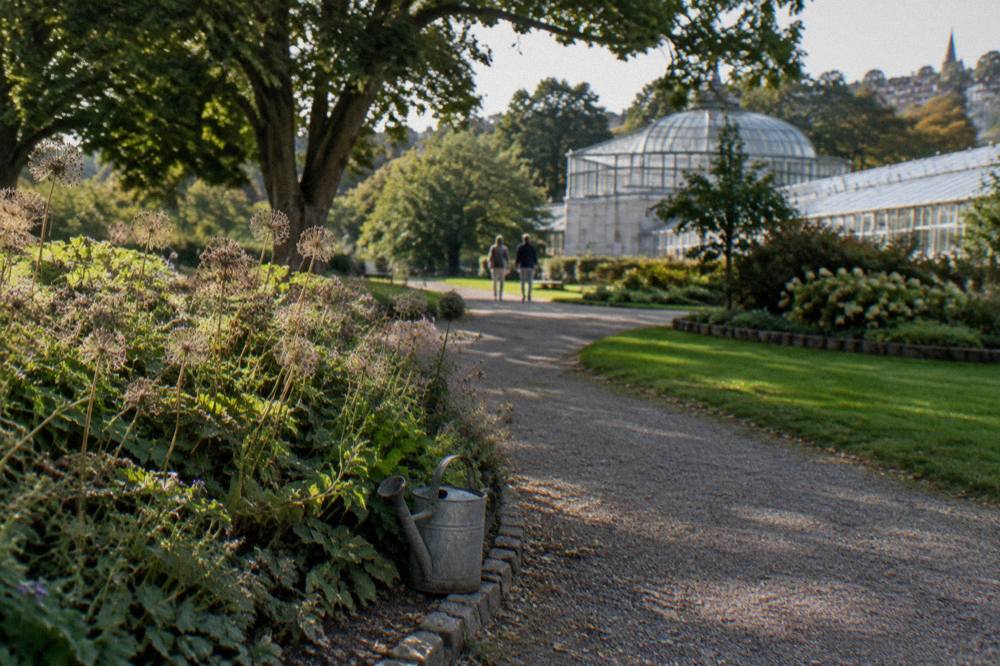
The garden sits in the Tøyen district, a short metro or bus ride east of the central station, and it functions as a real neighbourhood park as much as a botanical collection. Locals read on the lawns, families use the open ground, and the plantings are the draw for everyone else. Because entry is unrestricted, it works as a budget traveller's rest stop between paid sights, and because it is one of the largest green spaces inside the city, it also works as a destination in its own right.
The University of Oslo's natural history museum, which runs the site, states plainly that the garden is free to visit, and the garden's status as a free public space is confirmed on the museum's own pages at nhm.uio.no. That is the primary source, and it is worth checking before a visit only for opening hours, which change with the seasons and with daylight, not because the free status changes.
What Does Free Actually Cover Inside The Garden?
Free covers the entire outdoor garden: all of the planted collections, the lawns, the paths and the seasonal displays, with no ticket desk and no restricted zones. There is no separate charge for any outdoor section, and no time limit on a visit. What free does not cover is anything indoors, most importantly the Natural History Museum's exhibition buildings, which sit inside and beside the garden and charge their own admission.
This distinction, outdoor free versus indoor paid, is the single most useful rule for budget planning in Oslo, and Tøyen is where it is easiest to get wrong. The garden is a living collection spread across open ground, and everything about it is public space. A visitor can arrive with no plan, stay an hour or an afternoon, and spend nothing. The museum buildings are the paid half of the site, and their exhibitions, including the zoological and geological displays the institution is known for, are what the admission fee buys.
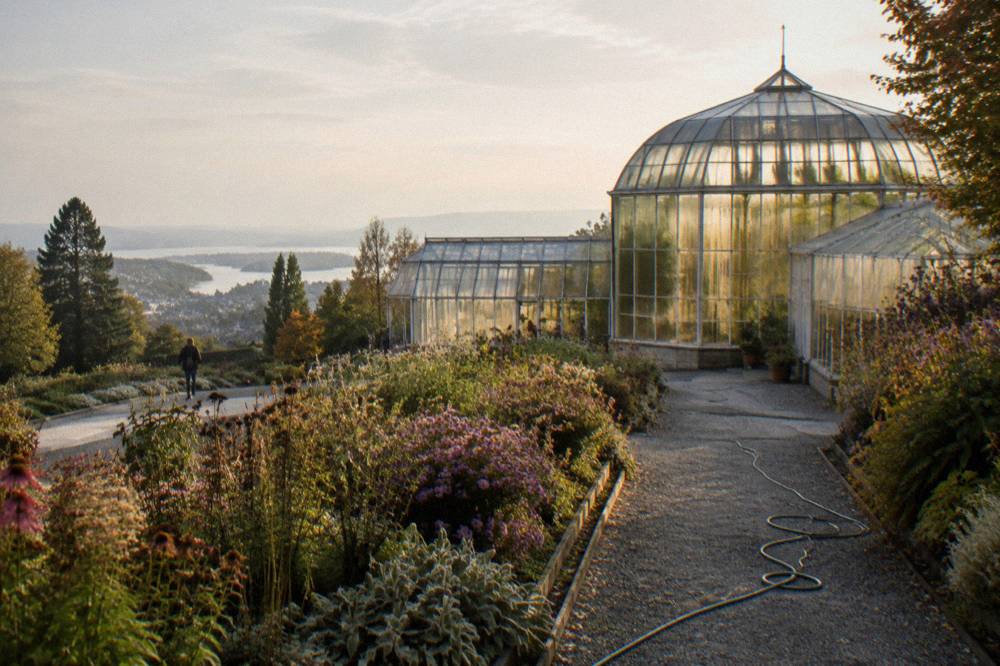
A practical way to use the site on a zero budget is to treat the garden as the sight and the museum as an optional extra. The plantings change across the year, the mature trees give shade in summer, and the layout rewards slow wandering rather than a fixed route. Visitors pairing the garden with other free sights will find plenty of company: Oslo's free outdoor spaces, from Vigeland Park's sculptures to the Opera House roof, are the backbone of a no-spend day, and the garden belongs on that list without qualification. The city's official tourism body, VisitOSLO, lists the garden among the city's green attractions, and its free status is consistent with how the University of Oslo presents it.
For travellers building a full free day around the city centre first, a walking tour is the natural opening move, and Oslo's pay-what-you-want walks cover exactly the central ground the garden does not.
Is The Natural History Museum Free Too?
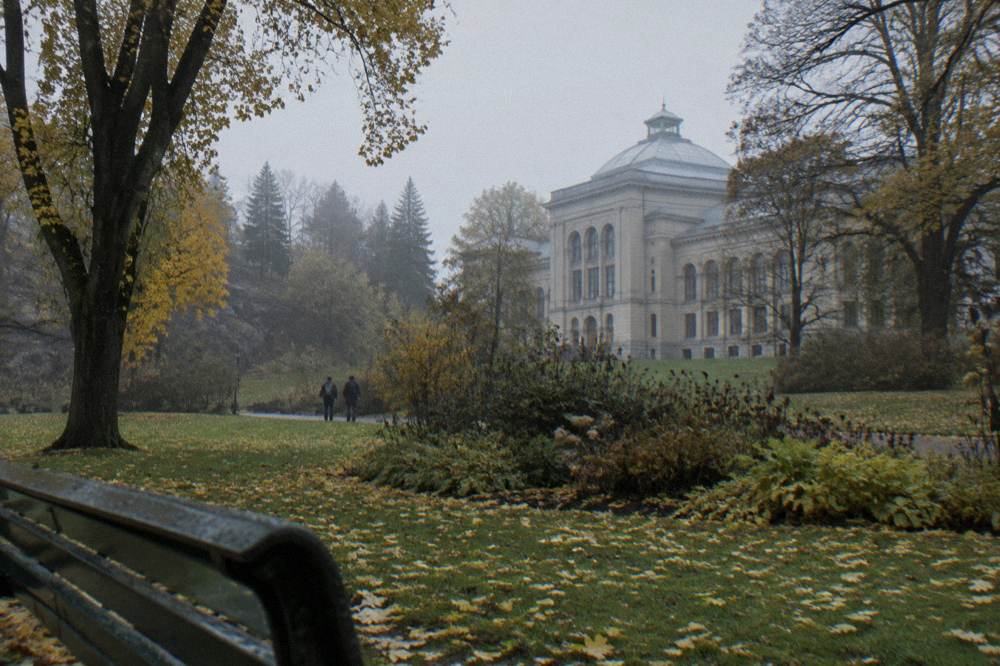
No. The Natural History Museum beside the garden is a paid attraction: its exhibitions charge admission, and only stated groups get in free, including school classes, University of Oslo students and staff, Oslo Pass holders and certain social groups. The exact current adult ticket price is not published here because it was not independently re-verified against a primary price table, so check the museum's own site before visiting. The garden's free status never extends to the museum.
The free-condition list is real and worth knowing, but it is narrow. An Oslo Pass holder visiting several museums in a day may find the museum's inclusion useful, and under-18 visitors benefit from free-entry rules that apply across most of Oslo's museums, a pattern the city's institutions follow consistently. For a general adult visitor with no pass, the museum is a paid item and should be budgeted as one.
The garden-and-museum pairing is not unique in Oslo, and recognising the pattern helps everywhere. The same structure repeats across the city's best-known sights, and the table below shows how consistently Oslo separates a free outdoor space from a paid indoor one.
| Site | Free part | Paid part |
|---|---|---|
| Tøyen | Botanical Garden, all outdoor areas | Natural History Museum exhibitions |
| Frogner | Vigeland Park, outdoor sculptures, always open | Vigeland Museum, indoor, paid |
| City centre | Akershus Fortress grounds | Castle interior and Resistance Museum, both paid |
| Bjorvika | Opera House roof and public foyer | Performance tickets |
| City centre | Royal Palace park and grounds, year-round | Indoor Palace guided tour, summer only, booking required |
Each row is a separate operator with its own rules, which is why blanket claims like "the fortress is free" or "Bygdøy is free" are false as stated. The pattern is the insight: in Oslo, the outdoor half of an attraction is very often free while the indoor half is paid, and the two halves are frequently run by different bodies entirely. MUNCH, the city's Munch museum, follows its own version of this with a first-Wednesday-evening free window outside July, August and September, detailed on its own site at munch.no, but that scheme belongs to MUNCH alone and does not generalise to the Natural History Museum or anywhere else.
If a museum visit is on the plan, the practical advice is simple: confirm the current adult price on the museum's own page, check whether an Oslo Pass or an age-based rule applies, and treat the garden as the guaranteed free half of the day. For more on which museums in the city have any free access at all, see Oslo's free museums explained.
How Do You Get To The Botanical Garden?
The garden is at Tøyen, about two kilometres east of Oslo Central Station, and the simplest route is the metro to Tøyen station followed by a short walk. Public transport in Oslo is paid at the standard Ruter fare, so the journey is not free even though the destination is. Walking from the centre takes roughly thirty minutes.
The paid transit leg is the one place a "free day" at Tøyen quietly acquires a cost. Ruter runs all of Oslo's buses, trams, metro lines and ferries at standard fares, and the ferry rule matters elsewhere in the city: the fjord islands are free public land, but the boats to them are paid transport. The same logic applies here in miniature. The garden costs nothing, the ride to it does, and a visitor walking instead keeps the whole outing at zero.
The walking route from the centre has a natural shape. A free tour of the central streets covers the Sentrum and Karl Johans gate ground first, and Tøyen sits close enough that the garden works as the afternoon leg of the same day. Nordic Freedom Tours, a 2-hour pay-what-you-want walk rated 4.76 across 2,192 GuruWalk reviews, meets outside Jernbanetorget station at the bronze Tiger sculpture and covers the central sights, which puts its finish point within easy reach of the metro line to Tøyen.
The garden also sits near Grunerlokka, Oslo's former workers' district turned cafe-and-street-art quarter, so a centre-to-garden route can wander through it rather than taking the most direct line. For a fuller picture of the city's no-spend outdoor options, see free places to visit in Oslo.
Which Free Walking Tours Pair Well With A Garden Visit?
The best pairing is a central-Oslo walk in the morning and the garden in the afternoon, because the two cover completely different ground. The featured walks meet in Sentrum or at the Opera House, none of them reach Tøyen, so the garden fills the gap they leave. A visitor who takes a free walk and then spends the afternoon in the garden gets the city centre and one of its largest green spaces in a single free day.
Oslo's free walking tours are pay-what-you-want walks run by independent local guides, listed on GuruWalk and freetour.com, and the site's roster covers five featured walks across two platforms. The walks cluster in two areas: the Sentrum and Karl Johan group, and the Bjorvika and Opera group. The garden is in neither, which is exactly why it complements them rather than duplicating anything.
For visitors who want the central district explained rather than just walked through, the City Walk with the Secrets Guide Included is the strongest fit. It is a 2-hour GuruWalk listing rated 4.69 across 42 reviews, meets at the main entrance of the National Theatre, and comes with a local secrets guide, which suits travellers who like a self-guided layer to continue with after the walk ends. The garden is an obvious place to use that kind of material, since it rewards wandering at your own pace.
The other featured options cover the same central ground in different formats: a short 1-hour-30-minute English-only walk from the Tiger Statue in front of Oslo Central Station, rated 9.7 out of 10 across 332 freetour.com reviews, and a longest-of-the-roster 2-hour-15-minute introduction walk meeting near the Royal Palace at the statue of the glove with a white umbrella, rated 9.1 out of 10 across 191 freetour.com reviews. The Contrasts Walk covers the Opera district and is rated 4.67 across 311 GuruWalk reviews. None of these reaches Tøyen, so whichever a visitor picks, the garden remains the afternoon's free addition rather than a repeat.
When Is The Best Time To Visit The Botanical Garden?
Late spring through early autumn is the strongest window, because the outdoor plantings are the entire free attraction and they are at their best in the growing season. The garden is free year-round, but a winter visit is a walk through bare beds and leafless trees, so the value of the free entry rises and falls with the seasons. Daylight is the other factor: Oslo's winter afternoons are short, and the garden rewards time.
Summer is when the garden earns its place on a free itinerary. The lawns are in use, the seasonal displays are planted, and the site works as a rest stop between the city's other free sights. A common summer shape is a morning walk through the central streets, a midday ferry or promenade leg along the waterfront, and an afternoon in the garden, with nothing spent at any of the three stops beyond transit and food.
Shoulder seasons are quieter and still worthwhile. Autumn colour in a garden with mature trees extends the visit into October, and spring plantings begin early in a city with a short, intense growing season. Winter visitors should simply calibrate expectations: the free entry is unchanged, but the outdoor collection is dormant, and the paid museum beside it becomes proportionally more tempting, which is worth knowing before arriving on a zero budget.
How Does The Garden Fit Into A Free Day In Oslo?
The garden slots best into the afternoon of a free day built around the city centre. A morning free walking tour covers Sentrum and Karl Johan, the waterfront sights around the Opera House are free to walk and climb, and the garden provides the green-space finish without a ticket anywhere in the day. The only unavoidable costs are transit and food, and both can be trimmed by walking the centre-to-Tøyen leg.
A full free day in Oslo is genuinely achievable, and the garden is one of its load-bearing pieces. The city's free assets divide cleanly: the walking tours cover the history and the street-level orientation, the outdoor spaces like the Opera House roof and the fortress grounds cover the landmarks, and the garden covers the slow, restorative hour that a day of walking otherwise lacks. Sites like Free Things To Do In Oslo exist precisely because these pieces are scattered across official pages that rarely state the free-versus-paid split clearly.
The one discipline that keeps the day free is the same rule this page opened with: check which half of an attraction you are actually visiting. The garden is the free half at Tøyen, the park is the free half at Frogner, and the grounds are the free half at Akershus Fortress. Visitors who keep the halves straight spend almost nothing, and those who blur them end up buying tickets they thought were included. For the pattern at its starkest, see what's free at Akershus Fortress.
Common Questions About The Botanical Garden In Oslo
Is The Botanical Garden In Oslo Free?
Yes. Entry to the Botanical Garden at Tøyen is free for every visitor, with no ticket, no booking and no conditions. The garden is run by the University of Oslo and open as a public green space.
Is The Natural History Museum Free As Well?
No. The museum beside the garden charges admission for its exhibitions. Free entry applies only to stated groups such as school classes, University of Oslo students and staff, Oslo Pass holders and certain social groups. Confirm the current adult price on the museum's own site.
Do You Need To Book The Botanical Garden In Advance?
No. There is no booking system and no ticket desk for the garden. Visitors simply walk in during opening hours, which vary by season.
How Do I Get To The Botanical Garden From The City Centre?
The metro to Tøyen station followed by a short walk is the simplest route. The ride is a standard paid Ruter fare. Walking from the centre takes roughly thirty minutes and keeps the trip free.
When Should I Visit The Botanical Garden?
Late spring through early autumn, when the outdoor plantings are at their best. The garden is free year-round, but winter visits show dormant beds and bare trees.