Is Vigeland Museum Free Too?
Vigeland Museum is paid, around 120 NOK, while the outdoor Vigeland Park beside it is free. Here is exactly what is free, what is not, and who gets in without paying.
Is Vigeland Museum Free Too?
No, the Vigeland Museum is not free. It is a paid indoor museum, with adult admission around 120 NOK, and it is legally and financially separate from the outdoor sculpture park beside it. The park itself, Vigeland Park, is completely free and always open. The two share a name and a visitor page, which is exactly why so many people assume both are free.
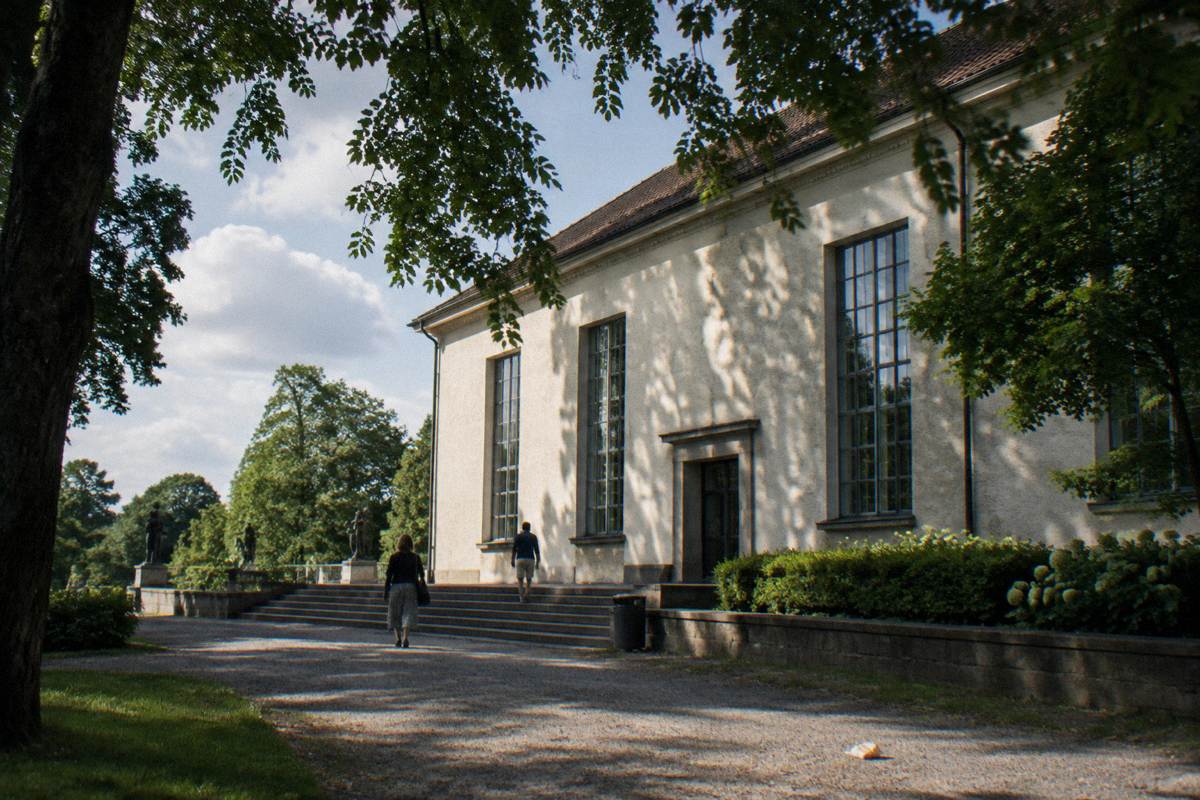
The confusion is understandable and expensive in a city where a coffee can cost more than a sandwich in most European capitals. Vigeland Park, the famous outdoor sculpture park with the Monolith, the Bridge and the Wheel of Life, is free public space with no gate, no ticket and no opening hours beyond the park's own access. The Vigeland Museum, the indoor institution housed in Gustav Vigeland's former studio building next to the park, charges admission. It holds the plaster models for the sculptures you just walked past outside, plus the artist's apartment, preserved as he left it.
These are two different bodies. The park is run by the city's environment agency as ordinary public parkland. The museum is run by its own foundation, the Vigeland-museet, with its own ticketing, its own opening hours and its own free-entry rules. Generalising from one to the other is the exact trap that catches visitors: the free status of the outdoor park never transfers to the indoor museum, and the museum's paid status never makes the park less free.
If you are planning a budget around Vigeland, the honest answer is that the essential experience, the outdoor park, costs nothing. The museum is an optional deepening of it, and there are specific groups who get in without paying, covered below. For a wider picture of what costs nothing in this city, the free places to visit in Oslo guide maps the whole free surface, parks included.
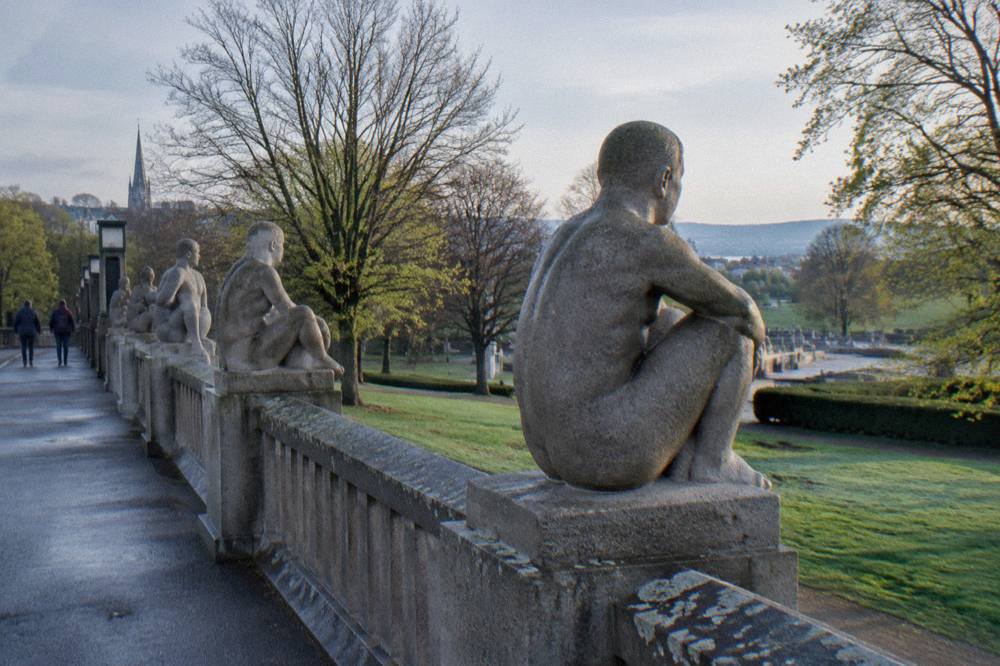
The practical split matters for timing too. Because the park is open around the clock, you can see the sculptures at sunrise, in evening light or on a Sunday when the museum is shut or reduced. The museum keeps ordinary museum hours, so if the indoor collection matters to you, check the Vigeland Museum's own site for the days it is actually open before you commit a morning to it. The park rewards the unhurried visit; the museum rewards the planned one.
How Much Does The Vigeland Museum Cost?
Adult admission to the Vigeland Museum runs around 120 NOK, with concessions below that and free entry for children aged 0 to 17 and Oslo Pass holders. The outdoor park costs nothing at any hour. If you only walk the outdoor sculptures, you pay nothing at all; if you want the plaster models and the preserved studio apartment inside, that is what the ticket buys.
The museum's pricing is straightforward once you know the split exists. An adult ticket is around 120 NOK. Children and young people up to 17 enter free, as do holders of the Oslo Pass, the city's combined attraction and transport pass. Students, seniors and groups typically pay a reduced rate below the adult figure. The exact current concession prices live on the museum's own ticket page, so treat these as planning figures rather than a promise.
| What | Where it sits | Cost |
|---|---|---|
| Vigeland Park, outdoor sculptures | Open parkland, always accessible | Free |
| Vigeland Museum, indoor collection | Studio building beside the park | Around 120 NOK adult |
| Children and young people 0-17 | Museum | Free |
| Oslo Pass holders | Museum | Free, pass included |
| Reduced-rate visitors, students, seniors | Museum | Below the adult price, check the museum's page |
Set against Oslo's other big indoor institutions, the museum's ticket is mid-range rather than painful. The National Museum charges more and offers free entry only to under-18s, with no recurring adult free day found anywhere in the city's museum landscape. MUNCH, the Munch museum on the waterfront, has the one confirmed recurring free window in the whole dataset: first Wednesday evenings from 18:00 to 21:00, excluding July, August and September. The Vigeland Museum has no equivalent free evening, so if free indoor art is the goal, the MUNCH evening and the city's genuinely free buildings, like Oslo's free museums and civic buildings, are where to look.
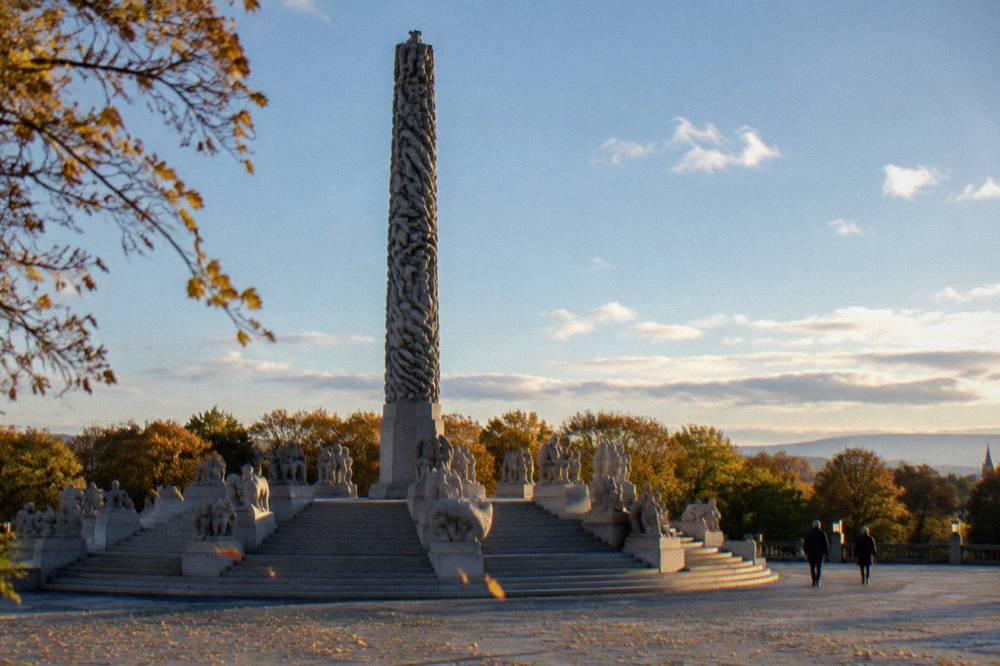
Worth knowing before you decide: the museum and the park serve different appetites. The park is the spectacle, a long formal axis of bronze and granite work that is among the most photographed landscapes in Norway. The museum is the workshop, the plaster originals from which those bronzes were cast and the granite carved, plus the apartment where Vigeland lived and worked under an agreement that gave the state everything in the building. If you have read this far and the plaster models do not pull at you, the free park alone is a complete visit.
Who Gets Into The Vigeland Museum For Free?
Children and young people aged 0 to 17 enter the Vigeland Museum free, and Oslo Pass holders enter free on the strength of the pass. Everyone else pays the adult or concession ticket. There is no recurring free day or free evening for general adult visitors, so the pass or the age bracket are the only routes in without paying.
The under-18 rule is the museum's most generous condition and it applies to families directly: two adults with two teenagers pay for two tickets, not four. The Oslo Pass route is the one most budget travellers should run the numbers on. The pass bundles public transport across the city's zones, including the ferries, with free or discounted entry to a long list of museums and attractions, and the Vigeland Museum sits in the free-entry tier. Whether the pass pays for itself is a question of pace and appetite, and it is worked through properly in whether you need the Oslo Pass on a budget.
The honest comparison is with the institutions around it. The National Museum's free bracket stops at under-18 and adds nothing else for adults. MUNCH's first-Wednesday evening is free but dark for a third of the year, in July, August and September. The Nobel Peace Center and the Astrup Fearnley on Tjuvholmen run their own brackets, under-18 and under-20 respectively, plus Oslo Pass. The Vigeland Museum's offer is typical of the city rather than stingy: children free, pass free, everyone else pays. The rest of the planning pages sit on Free Things To Do In Oslo.
One thing the museum is not: a rip-off of the park beside it. The two were designed as a pair by the man himself, and the museum building was part of the deal Vigeland struck with Oslo, a studio and home in exchange for everything he made. The ticket funds a small institution that exists to explain the free park outside. If the park left you curious about how those figures were made, the museum answers exactly that question.
How Do You Get To Vigeland Park And The Museum?
Vigeland Park and the Vigeland Museum sit in Frogner, west of the city centre, about 3 kilometres from the National Theatre. Frequent trams and buses from the centre take roughly 10 to 15 minutes, and the walk from central Oslo is a reasonable 30 to 40 minutes through residential streets. The park itself never closes, so transport is the only timing constraint.
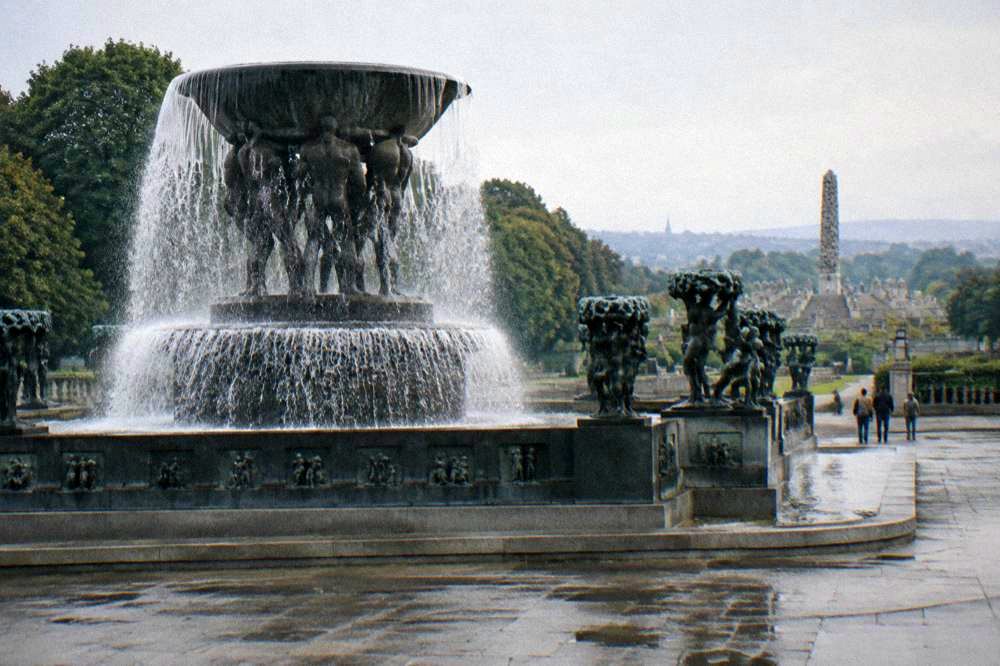
The main entrance is from the east, off Kirkeveien, and the formal axis runs uphill from there through the Bridge, the fountain plateau and up to the Monolith. Frogner Park, the larger green space around the sculpture park, wraps it all, so the free territory is much bigger than the sculpture lines themselves. The museum entrance is on the north side of the complex, facing the park, a two-minute walk from the Monolith plateau.
Getting there free of confusion matters more than getting there cheaply, since a standard transit ticket is paid either way. The trams and buses that serve the park run through the heart of the sentrum-and-karl-johan corridor, the same streets the free walking tours cover. Nordic Freedom Tours, the 2-hour free walk rated 4.76 out of 5 across 2,192 GuruWalk reviews, starts outside Jernbanetorget at the bronze Tiger sculpture and works the centre, so the natural day is the walk in the morning and the tram out to Frogner in the afternoon. You can see this free tour and plan the pairing directly.
If you would rather have a guide's framing than a self-directed stroll, there is also a shorter option with a different centre of gravity. The City Walk with the Secrets Guide, rated 4.69 out of 5 across 42 GuruWalk reviews, runs 2 hours in English and Spanish and meets at the main entrance of the National Theatre, which is itself the main transit hub for trams toward Frogner, so the handoff between that walk and the museum district is a single ride.
For the return leg, resist the urge to tram straight back. The walk east from the park through Frogner's residential streets, past the city's embassies and the quiet stretches of the Aker Brygge waterfront, is one of the pleasantest free stretches in Oslo, and it lands you at the water with no effort at all. Frogner is also home to one of the conditional splits this site tracks carefully: the outdoor Frogner Stadium and grounds are open public space, while organised facilities inside carry their own arrangements.
Is The Museum Worth Paying For When The Park Is Free?
For most visitors, no: the free park is the complete Vigeland experience and the museum is a specialist add-on. It becomes worth the ticket if the plaster originals, the preserved apartment or the story of how the park was made genuinely interest you, or if rain has killed your outdoor plans. Families with under-18s should treat it as a free indoor option, since the children pay nothing either way.
The park's power is outdoor and monumental. The Monolith is a single block of stone carved with a crowd of intertwined human figures, and the bronze figures along the Bridge include the Sinnataggen, the furious little boy that has become one of Norway's most reproduced images. None of that needs a ticket, a guide or a weather window, though the weather window helps. On a clear day the park alone justifies the trip out from the centre.
The museum's power is interior and explanatory. It holds the original plaster models for the park's sculptures, the full-scale forms from which the foundry casts and the stone carvers worked, plus Vigeland's own apartment, left as it was, and rotating exhibitions on his life and process. There is something quietly remarkable about standing in front of the plaster Monolith model and realising the stone outside was carved from measurements taken from exactly this object. That is the feeling the 120 NOK buys, and it is real, but it is not universal.
The rain-day argument is the practical one. Oslo rain is frequent and rarely dramatic, and a museum beside a park you were already visiting is the cheapest pivot available if you are over 17 and the sky opens. Under-18s get that pivot for nothing, which makes the museum one of the better free indoor options for families in the Frogner area, a point worth weighing against the cost of a typical day in Oslo.
The last word goes to honesty about the whole site's premise. Free Things To Do In Oslo exists because this city rewards knowing the split between free and paid, and Vigeland is the cleanest example in the entire catalogue: one name, one visitor page, two institutions, one free and one not. Get the split right and Oslo's most famous sight costs you a tram fare. Get it wrong and you budget for a museum you may not want to enter.
Common Questions About Vigeland Museum
Is Vigeland Museum Free Too?
No. The Vigeland Museum charges admission, around 120 NOK for adults, while the outdoor Vigeland Park beside it is free and always open. The two are separate institutions that happen to share a name and a visitor page, so the park's free status never transfers to the museum.
Is Vigeland Park Free?
Yes, completely. The outdoor sculpture park, including the Bridge, the fountain and the Monolith, is public parkland with no gate, no ticket and no closing time. You can visit at any hour, in any season, without paying anything.
Who Gets Free Entry to the Vigeland Museum?
Children and young people aged 0 to 17 enter free, and Oslo Pass holders enter free on the strength of the pass. Students and seniors pay a reduced rate below the adult ticket. There is no recurring free day or free evening for general adult visitors.
What Does the Vigeland Museum Contain?
The museum holds the original plaster models for the park's bronze and granite sculptures, Gustav Vigeland's preserved apartment and workshop, and rotating exhibitions on his life and process. It is housed in the studio building Vigeland received from the city in exchange for leaving everything he made to the state.
Is the Vigeland Museum Worth the Ticket?
For most visitors the free park is the complete experience and the museum is optional. It earns its ticket if the plaster originals and the artist's apartment genuinely interest you, or if rain ends your outdoor plans and you want an indoor pivot beside the park. Families with under-18s get in free, so for them it is a costless option.
How Far Is Vigeland Park From Central Oslo?
The park sits in Frogner, about 3 kilometres west of the centre, roughly 10 to 15 minutes by tram or bus from the National Theatre hub and a 30 to 40 minute walk. Standard transit fares apply; the park itself, once you are there, costs nothing at any hour.