Vigeland Park: Free To Enter, But Not The Whole Story
Vigeland Park is free to enter, every hour of every day, and that single fact confuses visitors more than almost any other sight in Oslo. The reason is the building next door.
Short answer
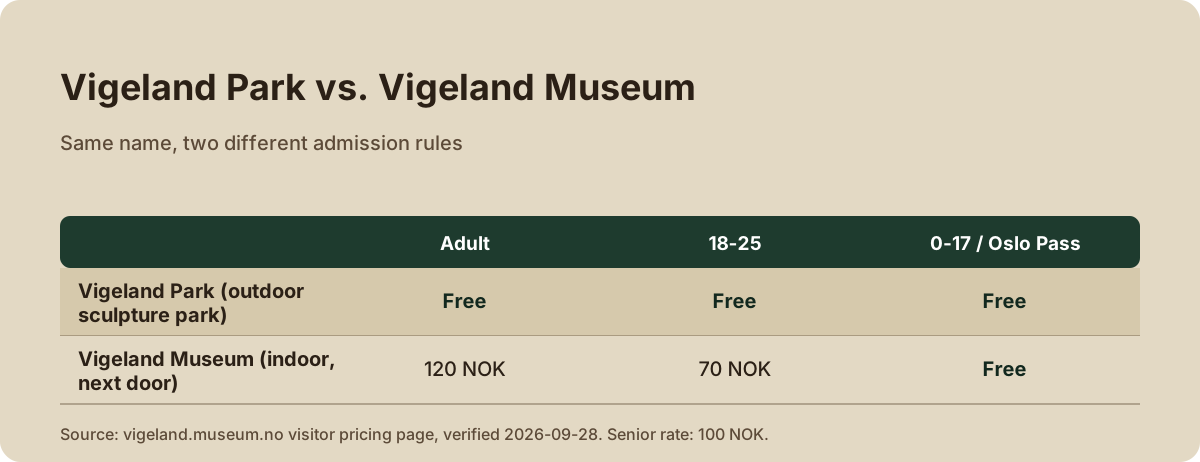
Yes, Vigeland Park is completely free. The outdoor sculpture park is open around the clock with no gate, no ticket and no charge. The indoor Vigeland Museum beside it is a separate institution that charges about 120 NOK, free only for visitors aged 17 and under and Oslo Pass holders.
Vigeland Park answers the question "is Vigeland park free" with a clean yes, and then immediately complicates it. The outdoor park, the granite bridges, the fountains and the monolith column that appears on every Oslo postcard, costs nothing and never closes. The indoor museum that shares the site's name sits a few minutes' walk away on the same peninsula of green, and it charges admission. Two institutions, one name, two very different price tags.
This guide separates the two facts cleanly. It covers what the free park contains, what the paid museum holds, who gets into the museum without paying, and how the same free-grounds, paid-building pattern repeats across half of Oslo's headline sights. It also shows how to fold the park into a day built around a free walking tour, since the park sits a comfortable distance west of the city centre where most of the pay-what-you-want walks begin.
Is Vigeland Park Free To Enter?
Yes. Vigeland Park is free to enter, with no gate, no ticket office, no opening hours and no seasonal closure of any kind. The outdoor sculpture park is public space, open around the clock all year, and the 41-record dataset behind this site records it plainly as free with no condition attached. Nothing about the outdoor park requires a booking, a pass or a payment, and no part of the grounds is roped off behind a charge.
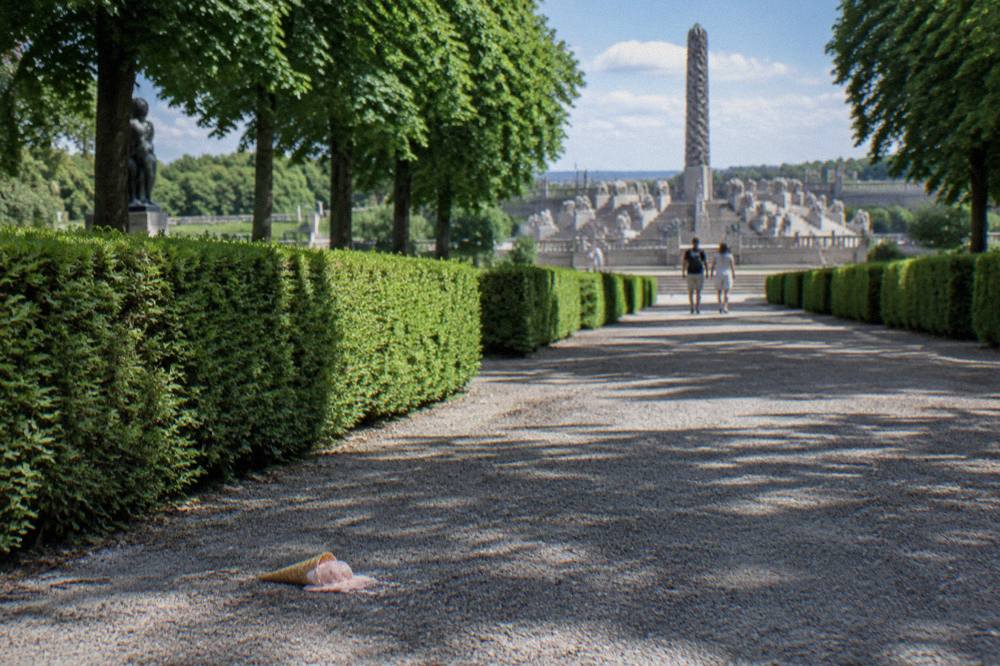
The park sits inside Frogner Park, Oslo's largest, and the two names get used almost interchangeably by visitors. Frogner Park is the wider public space, free like any city park, and Vigeland Park is the sculpture installation laid out through its centre. Both halves are free, so the naming overlap costs a visitor nothing, but it is worth knowing which name applies to what when reading a map or a bus sign.
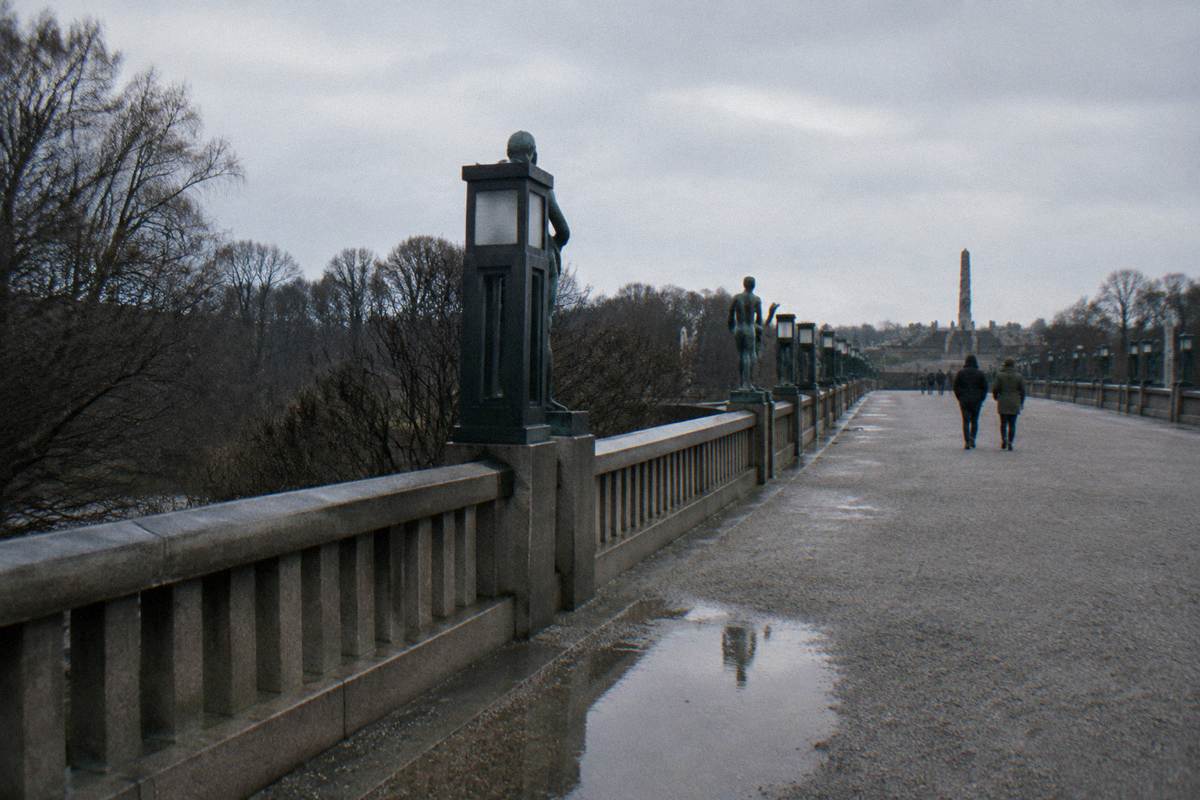
The sculptures themselves are the reason most people come: the bridge with its figures, the fountain plaza, and the monolith column at the park's highest point form a single designed axis that draws visitors uphill from the main gates. Every metre of that axis is free to walk.
There is a catch, and it is the reason this guide exists rather than a one-line answer. The park's own visitor information often points to the Vigeland Museum, and the museum is a different institution with a different operator, a different funding model and a ticket desk. Visitors who read "Vigeland" on a museum page and assume it describes the park arrive expecting a charge at the gate, and visitors who loved the free park walk to the museum expecting the same deal. Both groups are wrong, in opposite directions.
The short version of this whole article is on the companion piece is Vigeland Park free, which answers the core question in brief. This guide goes further, because the park-versus-museum split is the single most common free-or-not confusion in Oslo, and the pattern behind it repeats at the fortress, the opera house and the royal palace too.
What Can You See In The Park Without Paying?
Everything outdoors is free, and the outdoors is the main attraction. The full sculpture axis, from the entrance gates through the bridge, the fountain and the monolith plateau, is open to all at no charge, along with the surrounding lawns, tree-lined avenues and Frogner Park grounds around it. The only things behind a ticket anywhere on the site are inside the museum building, which holds its own separate collection.
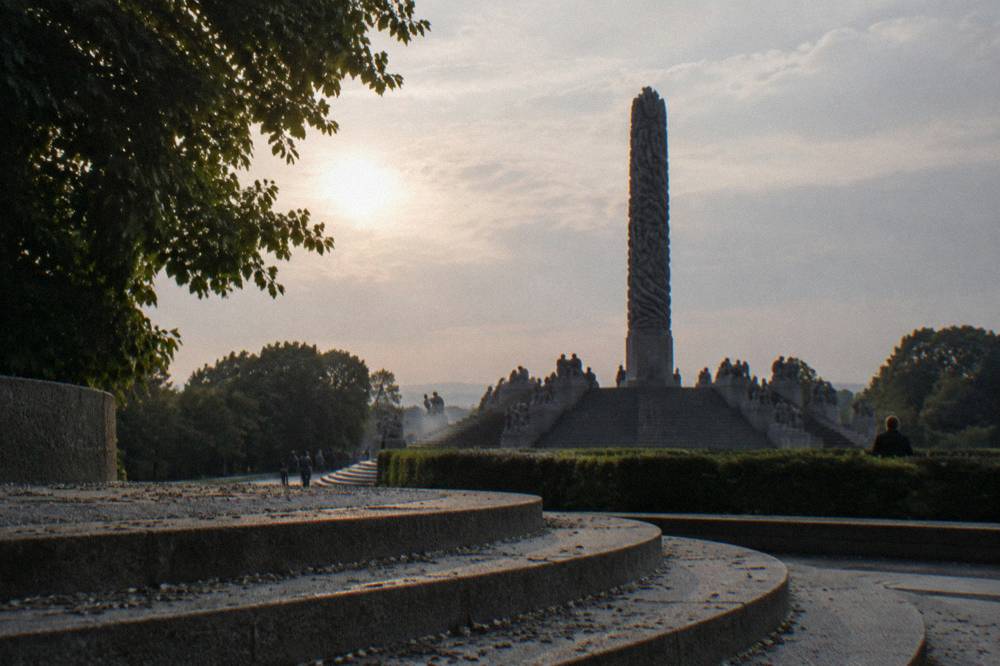
The monolith is the park's centrepiece and its most photographed single object. The carved column stands on a stepped plateau at the top of the axis, and the plateau around it is public ground, climbed by visitors all day in summer and sledged down by locals in winter. There is no viewing fee, no fence and no restricted angle. The same applies to the bridge figures near the main entrance, which include the small angry boy that has become an unofficial city mascot, and to the fountain with its surrounding granite reliefs.
The park also doubles as ordinary Oslo public space, which is part of its charm. Frogner Park around the sculpture axis holds open lawns, ponds and tree-lined paths that locals use for picnics, running and winter sledding, all free by definition as public parkland. Frogner Stadium, the athletics and skating ground at the park's edge, appears in the same free-grounds category in the site's dataset. A visitor planning a slow afternoon can treat the whole peninsula of green as one free destination.
| Area of the site | What it is | Cost |
|---|---|---|
| Vigeland sculpture axis | Bridge, fountain, monolith plateau, all outdoor sculptures | Free, always open |
| Frogner Park grounds | Lawns, ponds, avenues, public parkland | Free |
| Frogner Stadium area | Stadium grounds at the park's edge | Free grounds |
| Vigeland Museum | Indoor museum beside the park, separate operator | Paid, about 120 NOK |
| Museum entry, under-18s | Children and young visitors aged 17 and under | Free |
| Museum entry, Oslo Pass | Pass holders | Free with the pass |
One honest note on the museum's figure in that table: the about-120-NOK adult admission comes from the operator map in this site's verified research, and the museum's own page at vigeland.museum.no is the place to confirm the current price before a visit. The free-under-18 and free-with-Oslo-Pass conditions are confirmed and stable, but ticket prices at Norwegian museums do move, and the operator's own site is the authoritative source.
The park being free does not make it small, and many visitors underestimate the walking involved. The axis runs uphill from the main gates to the monolith, and the surrounding Frogner grounds extend well beyond it. Allow at least a couple of unhurried hours for the sculpture axis alone, more if the weather invites a lawn stop. Visitors pairing the park with the rest of a free Oslo day will find the fuller itinerary in what to see in Oslo in one day, which slots the park into a workable walking route.
If the plan is a free-first day, the walks below are the pay-what-you-want options that cover the city-centre ground before you head west to the park. All three are genuinely free to join, with the guide paid by tips at the end.
Is The Vigeland Museum Free Too?
No. The Vigeland Museum is paid for adult visitors, at about 120 NOK, and it is a separate institution from the free park despite sharing the site's name, the visitor signage and the website family. Free entry applies only to visitors aged 17 and under and to Oslo Pass holders. The museum is legally and financially distinct, run by its own foundation, and its ticket desk has nothing to do with the park's gate.
The museum building stands at the park's southern edge, and it was originally the sculptor's studio and residence, given to the city as part of the arrangement under which the park's work was delivered. That history explains why the two share a name and a boundary, and it also explains why they do not share a budget. The park is city parkland; the museum is the Vigeland-museet foundation, with its own admission policy.
Inside, the museum holds the works that never made it outdoors: plaster originals, early casts, drawings and models that show how the park's granite figures were developed. For a visitor who has just walked the finished axis outside, the museum is the workshop story behind it, and for anyone seriously interested in the park's sculptures it is worth the ticket. For a visitor whose interest is a walk among sculptures on a free day, the park alone delivers the experience.
The confusion between the two is common enough that this site keeps a dedicated answer on the question, is the Vigeland Museum free too, and the short answer there matches this one: the outdoor park is free, the indoor museum is not, and the free conditions on the museum ticket are age- and pass-based rather than time-based.

There is no free day or free evening window at the Vigeland Museum comparable to the one confirmed at MUNCH, which opens free on first-Wednesday evenings except in July, August and September. Oslo's verified research records no recurring adult free day at the Vigeland Museum, the National Museum or the state museums generally, so a free-day strategy does not work here. The under-18 and Oslo Pass conditions are the whole of the museum's free scope.
If the museum is on the list and the budget is tight, the Oslo Pass question is worth asking honestly, and this site's own breakdown of whether you need the Oslo Pass on a budget does the arithmetic. The short version: the pass pays off when a day is dense with paid museums, and a day built around Vigeland Park, the free grounds elsewhere and a pay-what-you-want walk is usually not dense enough.
How Much Does The Vigeland Museum Cost?
The adult ticket to the Vigeland Museum runs at about 120 NOK, with free admission for visitors aged 17 and under and for Oslo Pass holders. That is the full pricing picture: there is no separate park fee, no combined park-and-museum ticket needed to see the outdoor sculptures, and no discount tier beyond the age and pass conditions. The museum's own site carries the live figure.
The price sits in the middle band of Oslo's paid sights. It is cheaper than the combined Holmenkollen ski jump tower and ski museum ticket at 200 NOK, cheaper than the Akershus Castle and Resistance Museum interiors at roughly 160 NOK each, and in the same territory as a mid-range museum ticket anywhere in the city. Against the completely free park beside it, the question is never whether the museum is affordable, but whether it adds enough to a visit that the free half has already delivered. The full index of guides sits on Free Things To Do In Oslo.
For families the arithmetic is unusually kind. Every visitor aged 17 and under enters free, so a family ticket is really one or two adult tickets, and the park outside is the kind of attraction children engage with anyway, since the sculptures are climbable-looking, outdoor and set in open ground. A family can spend a full free afternoon in the park and then decide, on the spot, whether the museum's workshop story is worth two adult tickets.
Visitors holding an Oslo Pass should note the pass covers the museum but adds nothing to the park, which was free regardless. The pass's value at this site is therefore entirely a museum value, and it should be weighed against the rest of the day's paid sights rather than treated as part of the park visit. The general free-attraction strategy, including which conditional sights reward a pass and which do not, is laid out in free places to visit in Oslo.
Which Oslo Sights Follow The Same Free Grounds, Paid Building Rule?
Vigeland is one of five headline Oslo sights that split into a free outdoor half and a paid indoor half. Akershus Fortress, the Royal Palace park, the Opera House and Holmenkollen all follow the identical pattern, and each paid half carries its own price and conditions. Learning the pattern once at Vigeland saves repeated confusion at every other stop on the list.
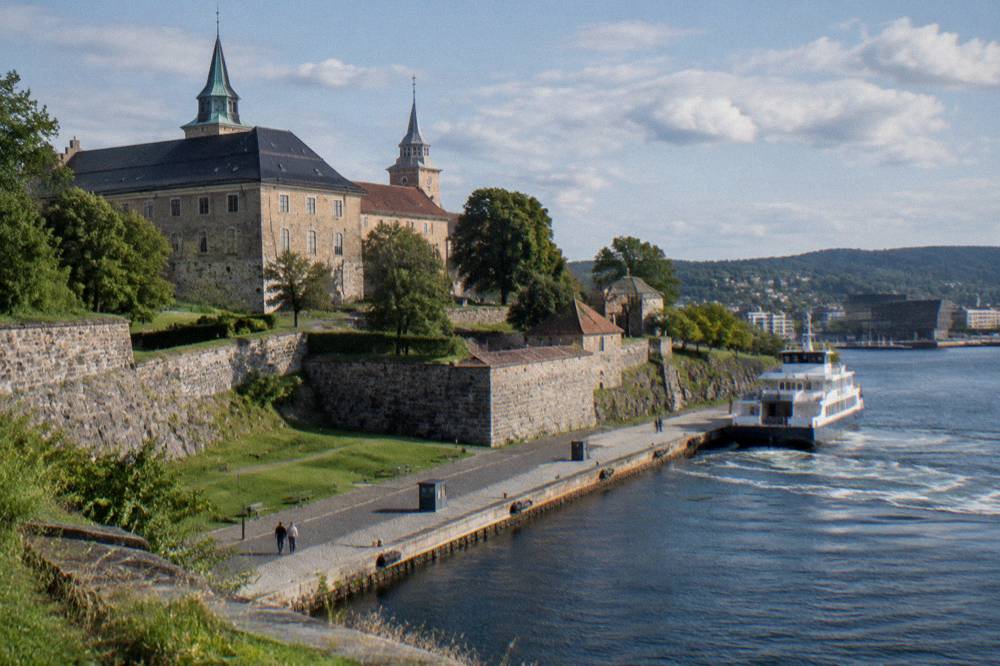
The fortress is the clearest parallel. Akershus Fortress grounds are free public space, open to walk and photograph, while the Akershus Castle interior and the Norway's Resistance Museum inside the same walls are each paid at roughly 160 NOK. Exactly like Vigeland, the free half is the outdoor experience most visitors come for, and the paid halves are deeper-dive interiors. This site's full Akershus Fortress breakdown covers that site's own version of the trap.
The Royal Palace repeats it again: the palace park and grounds are free year-round, while the indoor guided tour is paid, summer-only and requires advance booking. The Opera House inverts the geometry but not the rule, with the famous walkable roof and the public foyer free to everyone and only performance tickets paid. Holmenkollen splits the free public hillside and forest from the paid ski jump tower and ski museum, sold as one combined 200 NOK ticket.
| Sight | Free half | Paid half | Price of the paid half |
|---|---|---|---|
| Vigeland site | Outdoor sculpture park, always open | Vigeland Museum | About 120 NOK, free under-18 and with Oslo Pass |
| Akershus Fortress | Fortress grounds | Castle interior and Resistance Museum | About 160 NOK each |
| Royal Palace | Palace park and grounds | Indoor guided tour | Paid, summer season, advance booking |
| Opera House | Walkable roof and public foyer | Performance tickets | Roughly 150 to 990 NOK |
| Holmenkollen | Hillside and forest trails | Ski jump tower and ski museum | 200 NOK combined |
The planning takeaway is simple: in Oslo, the outdoor half of a headline sight is free with remarkable consistency, and the indoor half is paid with equal consistency. A visitor who builds a day around grounds, parks, roofs and sculpture axes spends almost nothing, and a visitor who wants the interiors should budget for each one separately rather than assuming any free status transfers across a boundary. The five UNRESOLVED-style edge cases, like whether the immediate base of the Holmenkollen tower can be viewed without a ticket, are exactly the kind of claim this site declines to state either way, and a good rule of thumb for visitors is to apply the same caution.
How Do You Combine Vigeland Park With A Free Walking Tour?
The simplest plan is a morning free walking tour through Sentrum and Karl Johan, ending near the National Theatre or the Royal Palace, then heading west to Vigeland Park for the sculptures that afternoon. Five featured free walks cover both districts, and the strongest pairing is the 2-hour Nordic Freedom Tours walk, rated 4.76 across 2,192 GuruWalk reviews.
The classic pairing starts at Jernbanetorget, the square outside Oslo Central Station, where the Nordic Freedom Tours walk meets beside the bronze Tiger sculpture outside the metro station. The two-hour route works through the Sentrum and Karl Johan ground, the main street, the parliament end and the palace end of the axis, which means it finishes within comfortable reach of the transport links that continue west to the park. It is a GuruWalk listing, run by an independent local guide, free to join with tips at the end, and it is the single most-reviewed free walk in the city.
A shorter alternative covers the same district in less time. The Short Walk, English Only, is a freetour.com listing rated 9.7 out of 10 across 332 freetour.com reviews, meeting at the tiger statue in front of Oslo Central Station and running an hour and a half. For a visitor whose legs are being saved for the park's uphill axis, the shorter centre walk plus a longer park afternoon is a sensible split, and the two walks' meeting points are a few minutes apart at the same station.
The other natural pairing starts from the opposite end of Karl Johans gate. The City Walk, Secrets Guide Included, a GuruWalk listing rated 4.69 across 42 GuruWalk reviews, meets at the main entrance of the National Theatre, near the top of the main street by the Royal Palace end. From that meeting point the palace park, another free grounds sight, is immediately adjacent, and the theatre's transport hub is one of the straightforward jumping-off points for reaching Frogner. A visitor could take this walk first, walk the free palace park beside it, then continue west to Vigeland in one westward drift across the city.

Two further featured walks suit different day shapes. The Perfect Introduction, Longest Walk, a freetour.com listing rated 9.1 out of 10 across 191 freetour.com reviews, meets near the Oslo Royal Palace by the statue of the glove with the white umbrella and runs two and a quarter hours, the longest of the featured walks, which pairs well with a shorter park visit. The Contrasts Walk, Opera District, rated 4.67 across 311 GuruWalk reviews, starts at the main facade of the Opera House and covers the Bjorvika waterfront instead, which fits better on a separate day than on a Vigeland day, since it pulls the route east rather than west. The official VisitOSLO tourism authority's site at visitoslo.com carries transport detail for crossing the city if the connections need checking.
When Should You Visit Vigeland Park?
Any time, because the park never closes, but the experience changes sharply with season and hour. Summer daylight stretches the usable day enormously, midwinter shrinks it, and the park's open ground means weather matters more here than at any indoor sight. Since entry is free and unticketed, there is no booking advantage to any timing, and the only real decision is comfort.
The park is one of the few Oslo sights with no time pressure at all. There is no last entry, no closing gate and no queue to beat, so the timing question reduces to light and weather. In summer, Oslo's long evenings mean the sculpture axis is fully usable well past ordinary dinner hours, and the lawns fill with locals in a way that makes the park feel like a living space rather than an attraction. In winter, the same ground under snow is a different but genuinely popular sight, and the park's slopes become sledding ground for neighbourhood families, with the monolith plateau at its most photogenic in low light.
The shoulder seasons are the quietest. Late spring and early autumn deliver the park's tree-lined avenues at their best colour with thinner crowds, and because nothing is ticketed, a visitor who arrives and finds the weather poor can simply leave and return later the same day at no cost. That flexibility is the underrated perk of the free half of the site: a paid museum visit demands a scheduled slot of value, while the park absorbs whatever hour the day has spare.
| Timing | What the park is like | Best for |
|---|---|---|
| Summer daylight | Long usable evenings, busy lawns, full green canopy | Photography, picnics, longest visits |
| Winter snow | Sledding slopes, low light on the monolith, few tourists | Atmospheric photos, quiet walks |
| Late spring | Fresh green, thinner crowds | Comfortable walking weather |
| Early autumn | Autumn colour on the avenues, calm weekdays | Combining the park with a museum ticket |
| Rainy hour | Empty axis, wet granite | A free stop between indoor sights |
For visitors folding the park into a wider free itinerary, the winter-specific version of the whole city plan, including how the park behaves under snow, is covered in Oslo in winter for free. The park's year-round openness makes it one of the few sights that survives every season's plan unchanged, which is part of why it anchors so many free itineraries.
Whatever the season, the practical order for a free-first day is the same: a pay-what-you-want walk through the centre in the morning, the free palace park or fortress grounds on the way, and the sculpture axis as the day's long finale. The walks below are the three featured options that start nearest that route.
Common Questions About Vigeland Park
Is Vigeland Park Free To Visit?
Yes, completely. The outdoor sculpture park is public space with no gate, no ticket and no opening hours, free to enter at any time of day or year. The only paid element on the site is the separate indoor Vigeland Museum beside the park.
Is The Vigeland Museum Free Too?
No. The museum charges about 120 NOK for adults, with free entry only for visitors aged 17 and under and for Oslo Pass holders. It is a separate institution from the park, run by its own foundation.
Do You Need A Ticket For The Monolith?
No. The monolith column and its stepped plateau are part of the free outdoor park, open to everyone around the clock. No part of the sculpture axis requires a ticket or booking.
Can You Visit Vigeland Park At Night?
Yes. The park has no opening hours at all, so it is accessible at night like any public park. Summer evenings in Oslo stay light very late, which makes the sculpture axis fully usable well into the evening.
Is Vigeland Park The Same As Frogner Park?
The two overlap. Frogner Park is the larger public park, free like any city parkland, and Vigeland Park is the sculpture installation laid out through its centre. Both halves are free, so the naming overlap makes no practical difference to a visitor.
Does The Oslo Pass Help At Vigeland Park?
Only at the museum. The outdoor park is free regardless of any pass, and the Oslo Pass covers the Vigeland Museum's admission. Whether the pass is worth buying should be judged on the rest of the day's paid sights, not on this stop.