Is Oslo Cheap Or Expensive Compared To Other Nordic Cities?
An honest cost comparison of Oslo against its Nordic neighbours, built on verified free and paid sights, and the free walking tours that shrink the bill.
Is Oslo Cheap Or Expensive Compared To Other Nordic Cities?
No, Oslo is not cheap, but it is not uniformly expensive either. The city's cost problem is concentrated in its paid museum layer, while its outdoor layer, parks, fortress grounds, the Opera House roof, fjord islands and public beaches, costs nothing at all. Compared with its Nordic neighbours, the difference for a visitor is less about prices and more about how much of the city you experience through the free layer rather than the ticket office.
The reputation is not invented. Oslo sits in the same general price band as the other Nordic capitals, where accommodation, restaurant meals and alcohol carry the premium that Scandinavia is known for. A beer, a dinner and a hotel night all cost real money here, exactly as they do in Stockholm, Copenhagen, Helsinki and Reykjavik. Anyone budgeting for the trip should plan for those costs honestly rather than hoping the city turns out cheaper than its neighbours. It does not.
What separates Oslo from the comparison pack is the structure of what you get for nothing. The city's most iconic sights, the ones that define a visit and fill the photos, sit in the free layer. Walking the roof of the Oslo Opera House costs no ticket. Strolling the Vigeland sculpture park costs nothing. The Akershus Fortress grounds, the Royal Palace park, the Botanical Garden at Tøyen, the entire coastline of beaches and promenades from Aker Brygge to Huk, all free, all open, no turnstile anywhere.
That structural fact is what makes the "cheap or expensive" question impossible to answer with a single number. Two visitors can spend the same three days in the same city and have wildly different bills, purely because one built the itinerary from the free layer and the other bought a ticket for everything with a door on it. This site, Free Things To Do In Oslo, exists precisely because that free layer is deep enough to carry an entire trip.
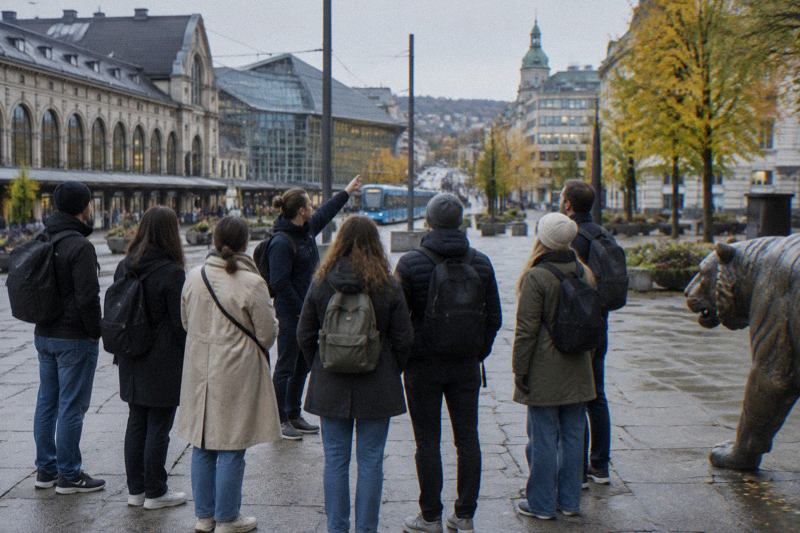
If you want the cheapest possible orientation before spending a krone on anything, the pay what you want walking tours are the obvious starting point. The free walking tour by Nordic Freedom Tours runs on GuruWalk, rated 4.76 out of 5 across 2,192 GuruWalk reviews, meeting outside Jernbanetorget metro station at the bronze Tiger sculpture for a two-hour walk in English and Norwegian. There are shorter and longer alternatives too, and the trio below shows the spread.
What Actually Costs Money In Oslo?
The paid layer is the museum tier: Akershus Castle and the Resistance Museum at roughly 160 NOK each, the Holmenkollen Ski Jump Tower and Ski Museum at 200 NOK combined, the Vigeland Museum at about 120 NOK, the Royal Palace's indoor guided tour at 175 to 230 NOK, and Opera House performance tickets from roughly 150 to 990 NOK. The National Museum, MUNCH, the Nobel Peace Center and the Bygdøy cluster all charge adult admission too.
These are the numbers that give Oslo its reputation, and they add up fast. A visitor who spends two days buying into every major indoor attraction can easily spend more on tickets than on food. The Bygdøy peninsula alone is a cluster of five separate operators, the Folkemuseum, the Maritime Museum, the Kon-Tiki Museum, the Fram Museum and the Viking Ship Museum, each with its own admission, each a separate business. The Viking Ship Museum is currently closed for rebuilding and is expected to reopen around 2027 as the Museum of the Viking Age, so it cannot be priced at all right now.
The trap for a budget traveller is that several of these paid attractions sit physically inside or beside famous free sights, and the two get conflated. Akershus Fortress is the cleanest example: the grounds are free and always open, while the Castle interior and the Norway's Resistance Museum inside those same grounds each charge roughly 160 NOK. Holmenkollen works the same way, with the hillside and forest free and public, while the Ski Jump Tower and Ski Museum sell one combined 200 NOK ticket, as the ski association's own site at holmenkollen.com sets out. The Royal Palace park is free year-round; the indoor guided tour is paid, summer-only and requires advance booking.
Here is the verified paid layer at a glance:
| Attraction | What it costs | The condition |
|---|---|---|
| Akershus Castle interior | Roughly 160 NOK | Grounds outside are free |
| Norway's Resistance Museum | Roughly 160 NOK | Inside the free fortress grounds |
| Holmenkollen Ski Jump Tower + Ski Museum | 200 NOK combined | Hillside and forest are free |
| Vigeland Museum | About 120 NOK | Free for ages 0-17 and Oslo Pass holders; the outdoor park beside it is always free |
| Royal Palace indoor guided tour | 175 to 230 NOK | Summer-only, advance booking required; the park is free year-round |
| Oslo Opera House performance | Roughly 150 to 990 NOK | The roof and foyer are free with no ticket |
| National Museum | Paid | Free only for under-18s |
| MUNCH | Paid | Free under-18, plus free first-Wednesday evenings excluding July, August and September |
| Bygdøy museums (Folkemuseum, Maritime, Kon-Tiki, Fram) | Paid, each separately | Five operators, five tickets; Viking Ship Museum closed for rebuilding |
Two rows deserve a second look. MUNCH is the one museum in the dataset with a confirmed recurring free window for adults: first Wednesday evenings from 18:00 to 21:00, excluding July, August and September, as listed on munch.no. No similar recurring free day was found for the National Museum or the other state institutions, so do not assume the scheme generalises. And the Viking Ship Museum row is a reminder that "paid" is not even the right word for everything with a door on it; some of Oslo's headline attractions are simply unavailable right now.
The Oslo Pass exists precisely to blunt this paid layer, and whether it is worth buying depends on how many of the rows above your itinerary actually touches. The Oslo Pass question for budget travellers breaks that trade-off down in detail, and the official visitoslo.com pages carry the current pass pricing and coverage.
Which Oslo Sights Genuinely Cost Nothing?
The free layer is bigger than most visitors expect: the Vigeland sculpture park, the Akershus Fortress grounds, the Royal Palace park, the Botanical Garden, the Opera House roof and foyer, Oslo City Hall's interior, the Storting's summer tours, the Aker Brygge and Huk coastline, the Sørenga seawater pool, Ekebergparken and the Hovedøya fjord islands all cost nothing to enter. The only catch is the ferry fare to the islands, a standard transit ticket.
This is the half of the comparison that gets left out when a city is labelled expensive. Oslo's defining sights, the ones a first-time visitor actually came for, are overwhelmingly outdoor and overwhelmingly free. The Opera House is the single best example: its sloping marble roof is the building's signature experience, it is a public space in the most literal sense, and no ticket exists for it. The paid half of the building is the performance programme inside, roughly 150 to 990 NOK, which is a different purchase entirely.
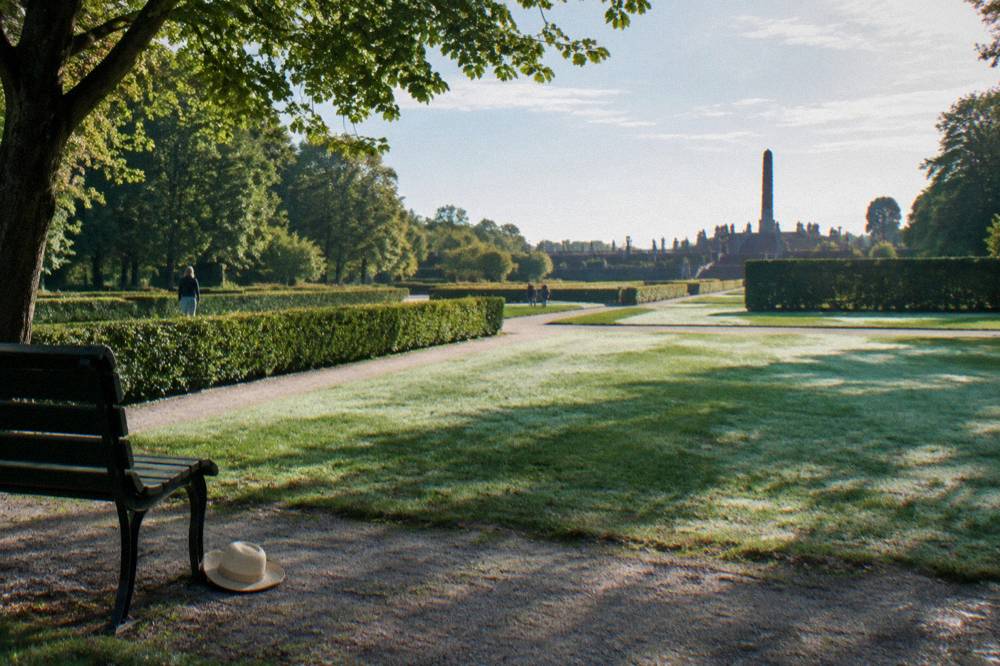
The pattern repeats across the city. Vigeland Park is free and always open, one of the world's great outdoor sculpture installations with no admission mechanism at all. The Botanical Garden at Tøyen is free for every visitor, even though the Natural History Museum beside it charges for its exhibitions. Oslo City Hall's interior, with its murals and the hall where the Nobel Peace Prize is handed out, is free to see, with free guided tours running in summer on a drop-in basis. The Norwegian Parliament, the Storting, runs free summer tours that are drop-in only, with no advance booking.
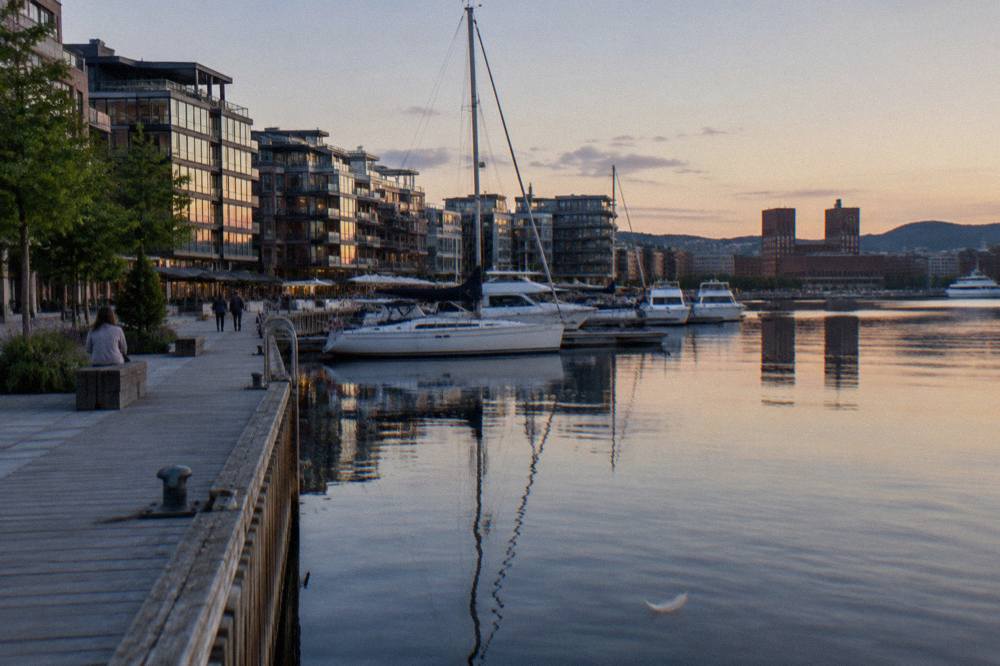
The coastline belongs in this list too. The Aker Brygge promenade, the Huk beach on the Bygdøy side, the Sørenga seawater pool and the whole string of waterfront public space are free by design. The fjord islands, Hovedøya chief among them, are free public land once you are standing on them; the Ruter ferry that carries you out is a standard transit fare and should never be described as free transport.
| Free sight | What you get for nothing | The catch, if any |
|---|---|---|
| Vigeland Park | The full outdoor sculpture park, always open | The indoor Vigeland Museum beside it is paid |
| Akershus Fortress grounds | Ramparts, walls and harbour views | Castle and Resistance Museum inside are paid |
| Royal Palace park | Open parkland year-round | Indoor tour is paid, seasonal, bookable in advance |
| Opera House roof and foyer | The signature roof walk, no ticket | Performances inside are paid |
| Oslo City Hall | Interior, murals, Nobel hall | Free guided tours are summer-only, drop-in |
| Botanical Garden, Tøyen | Whole garden, free for all | Natural History Museum exhibitions are paid |
| Hovedøya and the fjord islands | Public land, ruins, swimming | Ruter ferry fare applies each way |
| Ekebergparken | Sculpture park in forest above the fjord | None, open public space |
If you are weighing Oslo against its Nordic neighbours on cost, this table is the honest basis of the comparison. Every Nordic capital will charge you for a hotel and a dinner. Not every one hands over its single most photographed building, its great sculpture park and its fortress grounds without a ticket.
How A Free Walking Tour Changes The Budget Math
A free walking tour removes the fixed price from the most expensive part of a city break: orientation. In Oslo the featured walks run between 90 minutes and 2 hours 15 minutes, offered in English, Spanish, or Norwegian, and you pay the guide only what you feel the walk deserved at the end. The cost floor is zero, which changes the budget math entirely compared with a fixed-price guided tour in any Nordic capital.
The orientation problem is real. A first day in an unfamiliar, expensive city is when money leaks: the wrong neighbourhood for lunch, a paid attraction that turns out to be the wrong fit, a hop-on transport spend that a two-hour walk would have replaced. A free walking tour front-loads the geography so the rest of the trip is spent on things that were chosen rather than defaulted into. The cost of a typical day in Oslo is largely a function of how that first day goes.
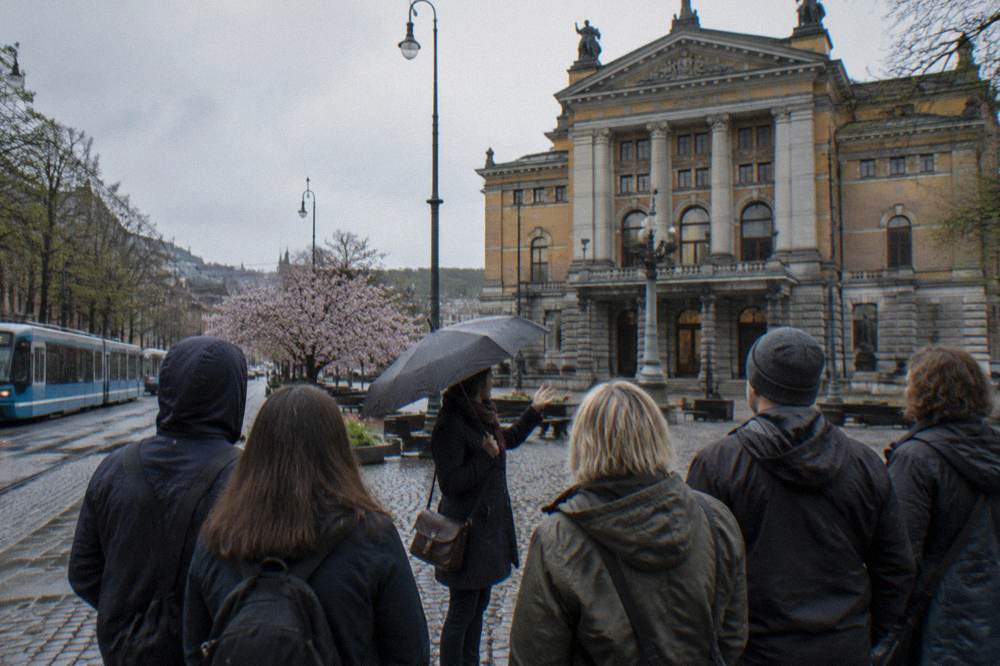
The Nordic Freedom Tours walk, rated 4.76 out of 5 across 2,192 GuruWalk reviews, is the volume leader among the five featured walks on this site. It meets outside Jernbanetorget metro station at the bronze Tiger sculpture, runs two hours in English and Norwegian, and covers the central Sentrum and Karl Johan ground: the main street, the Parliament, the Royal Palace park's edge and the waterfront. For a cost comparison piece, its relevance is blunt: it is the strongest possible answer to the expensive-city problem, because it costs nothing unless you decide it did.
There is also a shorter and a longer option among the featured walks. The Oslo Free City Walking Tour on freetour.com runs 1 hour 30 minutes in English, rated 9.7 out of 10 across 332 freetour.com reviews, meeting at the Tiger Statue in front of Oslo Central Station. At the other end, Artista Tours' Perfect Introduction runs 2 hours 15 minutes, rated 9.1 out of 10 across 191 freetour.com reviews, meeting near the Royal Palace at the statue of the glove with the white umbrella. A traveller who wants the deepest free orientation picks the long one; a traveller with a tight morning picks the short one. The price is the same either way: what you choose to tip.
For a different angle on the same city, the Hola Oslo City Walk runs on GuruWalk, rated 4.69 out of 5 across 42 GuruWalk reviews, meeting at the main entrance of the National Theatre for a two-hour walk in English and Spanish. Where the bigger walks cover the standard centre, this one leans on the local-secrets angle, the places a first page of search results does not surface. That is worth something specific in an expensive city: the difference between spending money on the obvious and spending nothing on the interesting.
Tipping on these walks is a genuine decision, not a formality, and it has its own etiquette. The tipping guide for free walking tours covers how to think about it in a high-cost city like Oslo, where the guides are independent locals on GuruWalk or freetour.com rather than employees of a tour company.
Where The Money Goes If You Skip The Free Layer
A visitor who ignores the free layer and buys into the paid one faces a ticket bill that can exceed a night's accommodation: five separate Bygdøy museums, the castle, the resistance museum, the ski jump tower, the palace tour and three or four city-centre museums, all at full adult price. The same city, walked through its free layer, costs nothing but transit and food. That gap is the real answer to whether Oslo is expensive.
The comparison with other Nordic cities lands here. It is not that Oslo's restaurants or hotels are dramatically out of line with Stockholm's or Copenhagen's; the price band is shared across the region. What varies is the quality of the escape route. A traveller in Oslo who knows which sights are free, and which famous sights are only half free, can build a full day with no ticket at all: the fortress grounds in the morning, the Opera House roof at midday, the City Hall interior in the afternoon and the waterfront promenade into the evening.
The half-free traps are where the budget leaks, and this city has five of them. Akershus, Vigeland, the Royal Palace, the Opera House and Holmenkollen each split into a free outdoor half and a paid indoor half, and the split is not always obvious from a search result that shows only the famous name. The dedicated guides on this site take those splits one at a time, including what is free at Akershus Fortress and whether the Oslo Pass earns its price on a budget.
The practical conclusion for anyone comparing Nordic capitals on cost: rank the cities on what you actually plan to do, not on headline price indices. If your itinerary is museums, Oslo will cost what every Nordic capital costs, and the Bygdøy cluster will make itself felt. If your itinerary is the city itself, the water, the parks and the streets, Oslo is quietly one of the more generous cities in the region, because so much of its identity is built into public space.
Whatever the comparison, the cheapest first move is the same one: a pay what you want walk through the centre, where the guides are locals on GuruWalk and freetour.com and the price is decided afterwards.
Common Questions About Oslo's Cost Compared To Other Nordic Cities
Is Oslo Cheap Or Expensive Compared To Other Nordic Cities?
Oslo sits in the same general price band as the other Nordic capitals for hotels, restaurants and alcohol, so it is not cheap on those items. What distinguishes it is an unusually deep free layer: the Opera House roof, Vigeland Park, the Akershus Fortress grounds, the Royal Palace park, the Botanical Garden, the coastline and the fjord islands all cost nothing. A visit built on that layer is far cheaper than the city's reputation suggests.
Is Oslo More Expensive Than Stockholm And Copenhagen?
On the basics, the Nordic capitals share a price band, and this site publishes no verified head-to-head price index between them. The honest comparison is structural: Oslo's most iconic sights are concentrated in the free outdoor layer, while its paid layer, the Bygdøy museum cluster, the castle and the ski jump tower, is what drives up a ticket-heavy itinerary. What you choose to do matters more than which capital you pick.
How Much Does A Day In Oslo Cost If You Stick To Free Sights?
The fixed cost can be close to zero beyond food and transit. The free layer covers the Opera House roof, the fortress grounds, the City Hall interior, Vigeland Park, the Botanical Garden and the waterfront, and a pay what you want walking tour covers the orientation. The only near-mandatory spend is the Ruter ferry fare if you go out to the fjord islands.
Is The Oslo Pass Worth It Compared To Paying Individually?
It depends entirely on how many paid attractions your itinerary touches. If you plan to visit several Bygdøy museums plus the castle and the ski jump tower, the pass can pay for itself. If your days are built on the free layer, the pass buys very little. The pass also covers some conditional free entries, such as the Vigeland Museum, which is free for Oslo Pass holders.
Are Free Walking Tours In Oslo Actually Free?
They are pay what you want: there is no fixed price and no booking fee, and you tip the guide at the end based on what you thought the walk was worth. The five featured walks on this site run on GuruWalk and freetour.com, operated by independent local guides. The floor of the cost is genuinely zero.